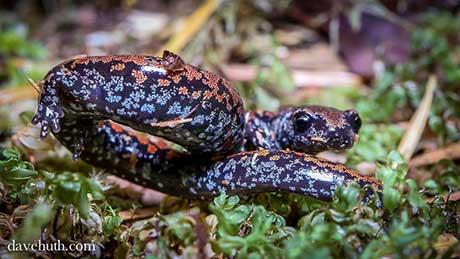
The Oregon slender salamander is a small terrestrial salamander species endemic to Oregon found on the west slope of the Cascade Range. They are deep brown to black in color overall, and have a long, thin body, and a long tail. They have large, blueish-white spots on the sides and belly. Their head is small, with relatively large eyes. They have short, delicate limbs, with four toes on the hind feet. Oregon slender salamanders have intricate color patterns over their deep brown to black background color. On their back, they have a mottled, reddish stripe from snout to tail. Their skin is smooth and moist. Adults average 3.5 to 4.5 inches in length from nose to tail. Hatchlings and juveniles have longer legs relative to body size, a shorter tail, and have a less prominent stripe than adults, but overall very closely resemble adults. The number of toes on their hind foot (four) and the diagnostic large blueish-white blotches on their sides differentiate Oregon slender salamanders from all other salamander species in Oregon.
Overview
- Species Common Name Oregon Slender Salamander
- Species Scientific Name Batrachoseps wrighti
- Federal Listing Status Species of Concern
- State Listing Status Sensitive
Ecoregions
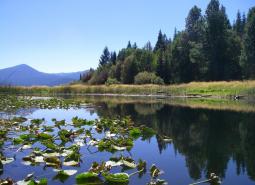
East Cascades
The East Cascade ecoregion extends from the Cascade Mountains' summit east to the warmer, drier high desert and down the length of the state. This ecoregion varies dramatically from its cool, moist border with the West Cascades ecoregion to its dry eastern border, where it meets sagebrush desert landscapes.
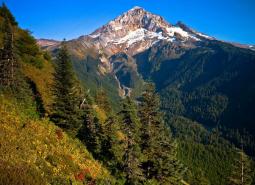
West Cascades
The West Cascades ecoregion extends from east of the Cascade Mountains summit to the foothills of the Willamette, Umpqua, and Rogue Valleys, and spans the entire length of the state of Oregon. It is largely dominated by conifer forests, moving into alpine parklands and dwarf shrubs at higher elevations.
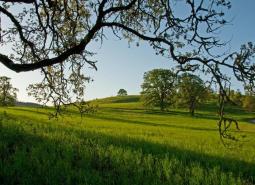
Willamette Valley
The Willamette Valley ecoregion is bounded on the west by the Coast Range and on the east by the Cascade Range. This long mostly level alluvial plain has some scattered areas of low basalt, and contrasts with productive farmland and large urban areas. It has the fastest-growing human population in the state resulting in challenges due to land-use changes.