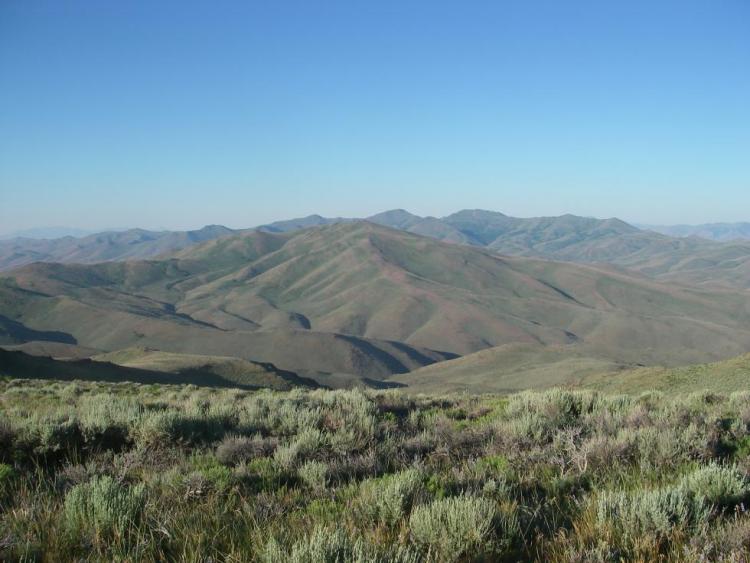
Description
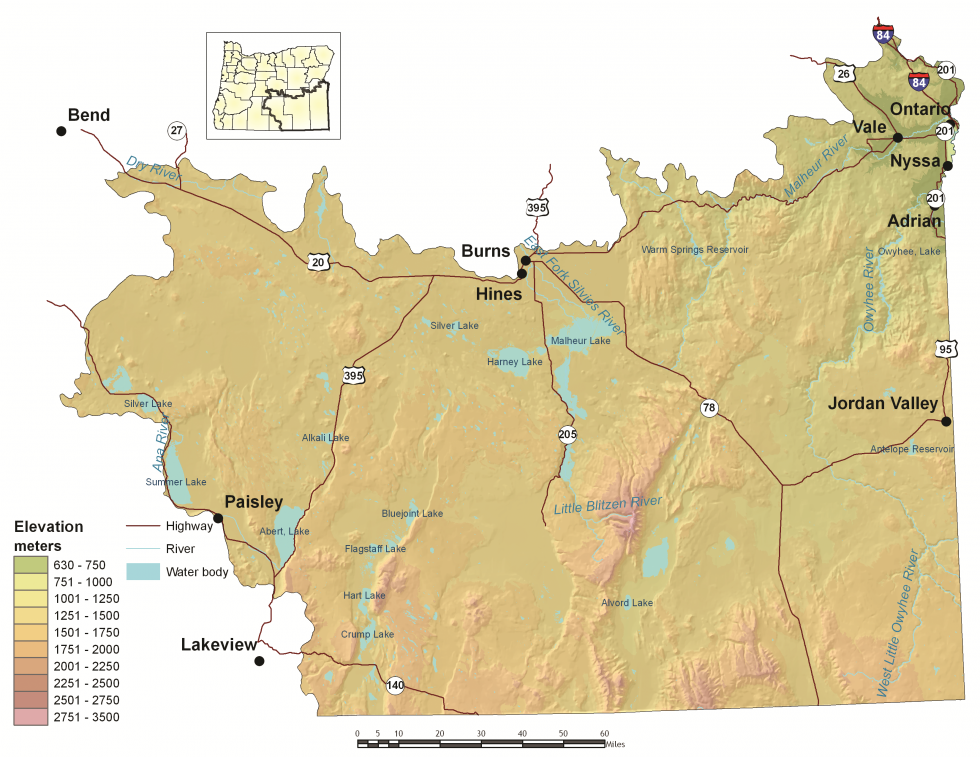
The Northern Basin and Range ecoregion covers the southeastern portion of the state, from Burns south to the Nevada border and from Fort Rock Valley east to Idaho. The name of this ecoregion describes the landscape, with numerous flat basins separated by isolated mountain ranges. This ecoregion encompasses several fault-block mountains, with gradual slopes on one side and steep basalt rims and cliffs on the other side. The Owyhee Uplands consist of a broad plateau cut by deep river canyons. Elevations range from 2,070 feet near the Snake River to more than 9,700 feet on the Steens Mountain.
In the rain shadow of the Cascade Mountains, the Northern Basin and Range is Oregon’s driest ecoregion, marked by extreme ranges of daily and seasonal temperatures. Much of the ecoregion receives less than 15 inches of precipitation per year, although mountain peaks may receive 30-40 inches per year. The extreme southeastern corner of the state has desert-like conditions, with annual precipitation of only 8-12 inches. Despite regional aridity, natural springs and spring-fed wetlands are scattered around the landscape. Runoff from precipitation and mountain snowpack often flows into low, flat playas where it forms seasonal shallow lakes and marshes. Most of these basins contained large, deep lakes during the late Pleistocene, between 40,000 and 10,000 years ago. As these lakes, which don’t drain to the ocean, dried through evaporation, they left salt and mineral deposits that formed alkali flats, extremely important stopover sites for migratory shorebirds as a rich source of invertebrate prey.
Sagebrush communities dominate the landscape. Due to the limited availability of water, sagebrush is usually widely spaced and associated with an understory of forbs and perennial bunchgrasses, such as bluebunch wheatgrass and Idaho fescue. The isolated mountain ranges have few forests or woodlands, with rare white fir stands in Steens Mountain and Hart Mountain. However, aspen and mountain mahogany are more widespread and can be found in the Trout Creeks, Steens Mountain, Pueblo Mountains, Oregon Canyon Mountain, and Mahogany Mountains, and juniper woodlands comprise a significant portion of the northern end of the ecoregion. In the southern portion of the ecoregion, there are vast areas of desert shrubland, called salt-desert scrub, dominated by spiny, salt-tolerant shrubs. Throughout the ecoregion, soils are typically rocky and thin, low in organic matter, and high in minerals.
The Northern Basin and Range ecoregion is sparsely inhabited, but the local communities have vibrant cultural traditions. The largest community is Ontario, with more than 11,000 people. Other communities include Nyssa, Vale, Burns, and Lakeview, with 1,930 to 3,250 people each. Land ownership is mostly federal and primarily administered by the BLM. Livestock and agriculture are the foundations of the regional economy. Food processing is important in Malheur County. Recreation is a seasonal component of local economies, particularly in Harney County. Hunting contributes to local economies, as does wildlife viewing, white-water rafting, and camping. Historically, lumber processing and harvesting from the nearby Blue Mountains was the basis of some local communities, particularly for Burns. However, these industries have declined with lower harvests from neighboring federal forests.
Characteristics
Important Industries
Livestock, forest products, agriculture, food processing, recreation
Major Agricultural Products
Alfalfa, wheat, hay, corn, oats, onions, sugar beets, potatoes
Important Nature-based Recreational Areas
Summer Lake Wildlife Area, Malheur Lake National Wildlife Refuge, Hart Mountain National Antelope Refuge, Steens Cooperative Management and Protection Area
Elevation
2,070 feet (Snake River) to 9,733 feet (Steens Mountain)
Important Rivers
Chewaucan, Donner und Blitzen, Malheur, Owyhee, Silvies
Climate
The Northern Basin and Range terrain consists of tablelands, basins, plains, some mountains, and valleys. The climate is arid with both steppe and desert climates, hot summers, and cold winters. Mean annual precipitation varies from minimal in the low areas to considerable in the higher mountainous areas. Increasing temperatures will lead to hotter summers, warmer winters, and more precipitation falling as rain in the winter in the higher elevation areas.
Warming is projected in all seasons across the ecoregion, with the largest increases projected in summer. Summer average temperature is projected to increase by as much as 8°F for the 2040-2069 period and as much as 12°F for the 2070-2099 period under the high emissions scenario (SSP585; Figure 1). Increasing temperatures will lead to hotter summers, warmer winters, and more precipitation falling as rain in the winter in the higher elevation areas. Late summer total precipitation is projected to change depending on time-period and scenario. Cool season precipitation projections show an increase in precipitation of as much as 19% for the 2070-2099 period (Figure 2). Confidence is low, however, in the late summer projections. Growing degree days are projected to double by the 2070-2099 period for the Northern Basin and Range under a high emissions scenario (SSP585). Frost days are projected to decrease from 200 until there are fewer than 150 per year, on average, under the high emissions scenario (SSP585).


Limiting Factors and Recommended Approaches
Limiting Factor: Altered Fire Regimes
CMP Direct Threats 7.1, 8.1, 8.2, 11.3, 11.4
Most sagebrush-dominated areas were once a mosaic of successional stages, from recently burned areas dominated by grasses and forbs to old, sagebrush-dominated stands that had not burned for 80 to 300 years. However, fire suppression and intensive grazing practices have reduced this mosaic and resulted in large areas dominated by invasive annual grasses, particularly cheatgrass, or older big sagebrush with a dense understory of invasive annual plants.
Changing climate conditions, including warming temperatures and more frequent and severe droughts, are contributing to increased frequency of fires, resulting in landscapes that are susceptible to the spread of western juniper and cheatgrass. Areas dominated by cheatgrass or other invasive annual grasses are more susceptible to fire ignition and reburning. Juniper invasion and encroachment of other woody vegetation provides fuel for wildfires, leading to higher intensity burns. Large fire events often destroy sagebrush, which are very slow to recover, leaving behind habitat that is no longer suitable for sagebrush-obligate species such as Greater Sage-grouse and pygmy rabbit. Big sagebrush communities with non-native invasive annuals in the understory will not recover from fire without significant intervention.
Recommended Approach
Under current vegetation management conditions, fire is damaging to sagebrush stands. Reintroduction of natural fire regimes may be difficult, and risks loss of sagebrush habitat. In many areas prescribed fire may be impractical. Use mechanical treatment methods that minimize soil disturbance to help remove encroaching juniper and annual invasive grasses that contribute to more frequent, higher-intensity fires. Chemical or biological management techniques can also be explored. In sagebrush habitats that are moderately impacted by invasive annual grasses, use of herbicides may help preserve sagebrush and increase fire resiliency. Engage in research on the efficacy and impacts of new herbicides to control nonnative vegetation.
Where appropriate, reintroduce natural fire regimes using site-appropriate prescriptions that limit risk of sagebrush loss, account for the historical fire regime, and encourage native plant regeneration. Use prescribed fire to create a patchy mosaic of successional stages and avoid large, prescribed fires.
Limiting Factor: Water
CMP Direct Threats 7.2, 11.4
Water Quantity is a limiting factor for fish and wildlife. Changing climate conditions are leading to rising temperatures and altered patterns of precipitation, which affect water availability across different times of year. In streams, seasonal low flows can limit habitat suitability and reproductive success for many fish and wildlife species. Although many communities in this ecoregion are small, increases in the demand for water for crop irrigation and livestock production, coupled with increasing drought conditions, mean the supply of groundwater is decreasing. Already an arid ecoregion, increases in drought conditions have also resulted in the loss of some marshes and alkali lakes—areas that are critical for wildlife, particularly migrating birds. Water quality can also limit species and habitats. Warming waters provide conditions for increased bacterial growth which can impact fish and wildlife, as well as drinking water supplies.
Recommended Approach
Provide incentives and information about water usage and sharing during low flow conditions (e.g., late summer). Promote water management actions that enable climate resilience and adaptation. Invest in watershed-scale projects for cold water and flow protection. Increase awareness and manage timing of applications of potential aquatic contaminants. Improve compliance with water quality standards and pesticide use labels administered by the DEQ and EPA. Work on implementing Senate Bill 1010 (Oregon Department of Agriculture) and DEQ Total Maximum Daily Load water quality plans.
Limiting Factor: Invasive Species
CMP Direct Threat 8.1, 8.2
Non-native annual grasses, particularly cheatgrass and medusahead, have rapidly expanded in the Northern Basin and Range, displacing desirable forage for wildlife and livestock. These invasive plants disrupt native communities, diminish populations of at-risk native species, and threaten the economic productivity of resource lands. The spread of invasives like cheatgrass and medusahead can also increase the frequency, intensity, and spread of fires, replacing sagebrush and native bunchgrasses, which are adapted to infrequent, patchy fires.
While not nearly as extensive as invasive plants, non-native animals have also impacted native fish and wildlife populations. For example, invasive carp in Malheur Lake have damaged one of the most important waterfowl production areas in Oregon, altering ecological dynamics through predation and altering water quality by disturbing sediments. Brown bullhead have also spread throughout the ecoregion, competing with native species for limited resources or preying on native species and/or their eggs or young. Unregulated horse herds are a concern in many areas, competing with native wildlife for vegetation and access to limited water sources, spreading invasive plant seeds via their manure, and trampling sensitive habitats.
Changing climate conditions and fire suppression have also led to the expansion of western juniper throughout the ecoregion. Western juniper is a native species, andold growth juniper trees in rocky outcrops offer benefits to native wildlife. However, the expansion of western juniper in the Northern Basin and Range has degraded some grassland, sagebrush, riparian, large-diameter juniper, and aspen habitats. Western juniper expansion may reduce water availability in many seasonal and some perennial streams. In riparian areas, junipers replace deciduous shrubs and trees that are more beneficial to riparian wildlife. In many of the grassland and sagebrush habitats, 20–30-year-old juniper trees form dense stands that are not suitable for many wildlife species that require the open sagebrush or grassland habitats that are now in decline. These dense stands also act as fuel for wildfire, contributing to large, high-intensity fires that destroy sagebrush habitat.
Recommended Approach
Controlling western juniper in newly invaded areas benefits wildlife and other habitat values. Early control of newly invaded young trees before woodlands become established is often the most successful approach. Develop markets for small juniper trees as a special forest product to reduce restoration costs. Maintain large-diameter juniper trees in the native rocky outcrops and ridges, which are important nesting habitat for passerines and raptors. In some areas, fire can be used to control young juniper. Carefully evaluate sites to determine if prescribed fire prescribed fire is appropriate, considering the landscape context, vegetation types, and risk of sagebrush loss.
Emphasize prevention, risk assessment, early detection, and quick control to prevent new invasive species invasive species from becoming fully established. Use multiple site-appropriate tools (e.g., mechanical, chemical, and biological) to control the most damaging invasive species. Prioritize efforts to focus on key invasive species in high priority areas, particularly where Key Habitats and Species of Greatest Conservation Need occur. Cooperate with partners through habitat programs and county weed boards to address invasive species problems. Carefully manage wildfires in cheatgrass-dominated areas. Promote the use of native “local” stock for restoration and revegetation where native species have the greatest potential to successfully establish. In some cases, use “assisted succession” strategies, applying low seed rates of non-invasive non-native plants in conjunction with native plant seeds as an intermediate step in rehabilitating disturbances in sagebrush communities.
Promote dialogue between wildlife managers, landowners, and land managers to develop horse management plans based on common priorities. Promote outreach to explain the issue to the public and the impacts of unregulated herds on wildlife and habitat.
Limiting Factor: Energy Development
CMP Direct Threat 3.3
Climate change and global economies are increasing pressure for renewable energy development, including solar energy. Solar energy projects offer environmental benefits but also have significant impacts on wildlife and their habitat. Many solar energy facilities have large footprints. Federal requirements for facilities to be fully fenced make any remaining habitat within a solar field inaccessible to most terrestrial wildlife species, which results in lost habitat and may disrupt critical movement and migration pathways. Solar facilities are also a collision risk for birds, as reflection of sunlight off the panels may cause solar fields to resemble large water bodies. The area is increasingly challenged with the need to balance the state’s interest in clean energy development with local natural resource conservation needs. The Northern Basin and Range ecoregion offers excellent renewable energy resources, but the ecoregion is particularly sensitive to local impacts on sagebrush and other habitats.
Recommended Approach
Plan energy projects carefully, using the best available information and early consultation with biologists. Use available tools and resources found in the Land Use Changes and Climate Change KCIs and ODFW Compass. Consider the broader landscape context when planning new development, including habitat connectivity, cumulative impacts, fish and wildlife species presence, and mapped or modeled suitable habitat. Use wildlife-permeable fencing or allow egress to permit passage for medium-sized animals through solar fields.
Limiting Factor: Recreational Activity
CMP Direct Threats 1.3, 4.1, 6.1
Increasing demands for recreational access can disturb animals and degrade habitats. Activities like hiking, biking, hunting, fishing, and foraging, and off-road vehicle use can create sensory stressors for wildlife, with sound, light, and unusual smells that may deter species from moving through certain areas. Human recreation may contribute to destruction of sensitive vegetation, harassment of wildlife from off-leash pets, spread of invasive species, and contamination of areas with refuse. Use of off-highway vehicles (OHVs) is particularly prevalent in the Northern Basin and Range. When limited and controlled, OHV use can be compatible with wildlife conservation. Illegal use, however, is prevalent, and highly detrimental. In general, OHV use can damage soils, impact sensitive riparian, aquatic, and upland habitats, spread invasive plant seeds, affect wildlife behavior and distribution, and increase the risk of wildfires. Although OHV use is limited to designated roads in some sensitive landscapes, there is little to no enforcement due to lack of funds and law enforcement personnel.
In addition to OHV use, other recreational use, such as camping, soaking in hot springs, rock climbing, and parasailing, is increasing. Use at some sites, such as the Alvord Desert, is high, and often damaging to sensitive desert playa habitat. Although recreational use is still light in comparison to more populated ecoregions, social media is driving increased use of several areas in the ecoregion. This increased recreational pressure could intensify impacts to wildlife and magnify disturbance in areas previously little-used by people.
Recommended Approach
Work cooperatively with land managers and OHV groups to direct use to maintained trails in low-impact areas and improve enforcement of existing rules. Support educational efforts to promote low-impact recreational use such as the Tread Lightly! Program. Monitor the impacts of OHV use on priority areas. Support efforts to effectively manage OHV use on public lands, particularly in highly sensitive habitats, and restore damaged areas.
Proactively consider potential impacts to wildlife and habitats when developing or promoting recreational opportunities to encourage compatible uses. Monitor recreational patterns and trends. Institute road and/or area closures to protect species during sensitive times of year and decommission roads when possible. In high use areas, establish permitted entry systems to decrease recreational pressure.
Limiting Factor: Ongoing Recovery from Historical Overgrazing
CMP Direct Threats 2.3, 7.3, 8.1
Prior to limitations that were initiated on public lands in the mid-1930s, livestock grazing had a profound influence on landscapes throughout the Northern Basin and Range ecoregion. Many areas experienced serious ecological damage. Conditions on rangelands in general have improved substantially over the past half-century as a result of improvements in livestock management, and most ecosystems are recovering. However, some habitats have been slow to recover, such as some riparian areas areas and sagebrush communities, especially where cheatgrass and other invasive annual grasses have invaded.
Recommended Approach
Continue to proactively manage livestock grazing and restore degraded habitats. Minimize grazing during restoration of highly sensitive areas, such as wetlands and riparian areas.
Species of Greatest Conservation Need
Alvord Chub
Siphateles alvordensis
American Avocet
Recurvirostra americana

American Pika
Ochotona princeps
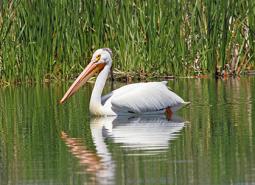
American White Pelican
Pelecanus erythrorhynchos
Barren valley Collomia
Collomia renacta
Bentonite Biscuitroot
Lomatium bentonitum
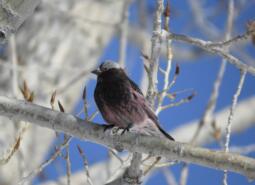
Black Rosy-finch
Leucosticte atrata
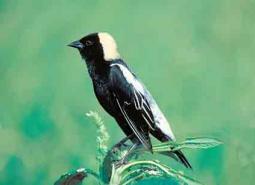
Bobolink
Dolichonyx oryzivorus
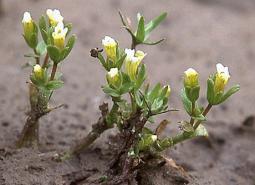
Boggs Lake Hedge Hyssop
Gratiola heterosepala
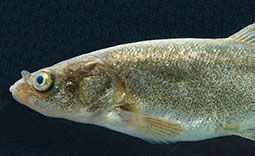
Borax Lake Chub
Siphateles boraxobius
Borax Lake Ramshorn
Planorbella oregonensis
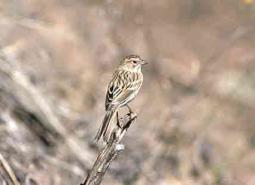
Brewer’s Sparrow
Spizella breweri breweri
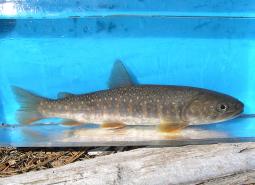
Bull Trout
Salvelinus confluentus
Bull Trout – Upper Snake Recovery Unit
Salvelinus confluentus

California Floater Mussel
Anodonta californiensis
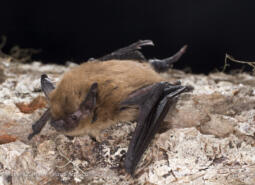
California Myotis
Myotis californicus
Canyon Bat
Parastrellus hesperus
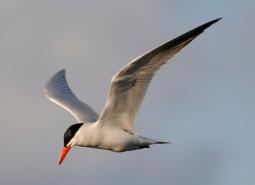
Caspian Tern
Hydroprogne caspia
Columbia Pebblesnail
Fluminicola fuscus
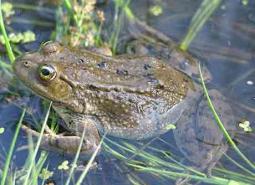
Columbia Spotted Frog
Rana luteiventris
Columbia Yellowcress
Rorippa columbiae
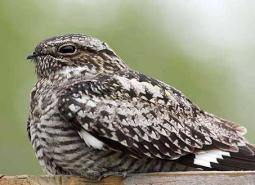
Common Nighthawk
Chordeiles minor

Cronquist’s Stickseed
Hackelia cronquistii
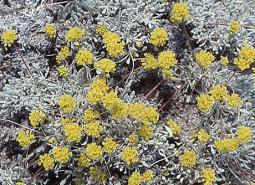
Crosby’s Buckwheat
Eriogonum crosbyae var. crosbyae
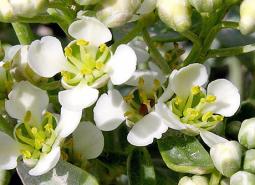
Davis’ Peppergrass
Lepidium davisii
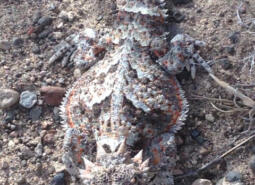
Desert Horned Lizard
Phrynosoma platyrhinos
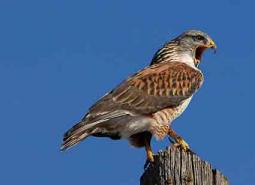
Ferruginous Hawk
Buteo regalis
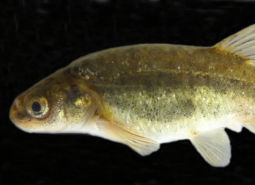
Foskett Speckled Dace
Rhinichthys osculus robustus
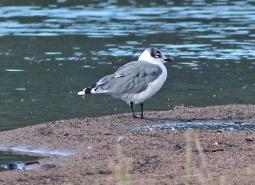
Franklin’s Gull
Leucophaeus pipixcan
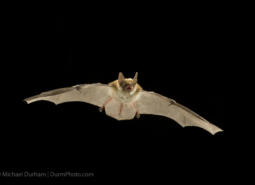
Fringed Myotis
Myotis thysanodes
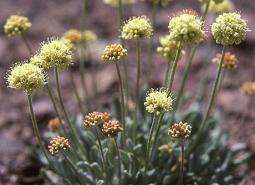
Golden Buckwheat
Eriogonum chrysops
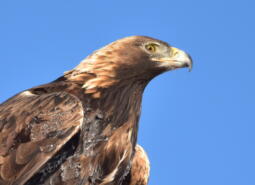
Golden Eagle
Aquila chrysaetos
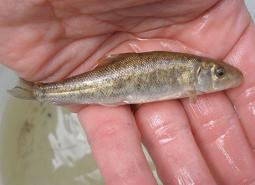
Goose Lake Sucker
Catostomus occidentalis lacusanserinus

Gray Wolf
Canis lupus
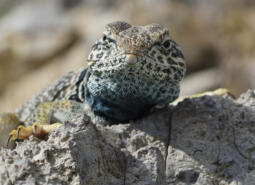
Great Basin Collared Lizard
Crotaphytus bicinctores
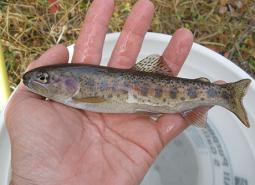
Great Basin Redband Trout – Catlow Valley SMU
Oncorhynchus mykiss newberrii
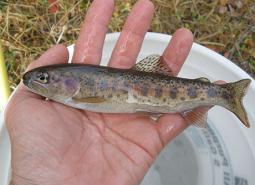
Great Basin Redband Trout – Chewaucan SMU
Oncorhynchus mykiss newberrii
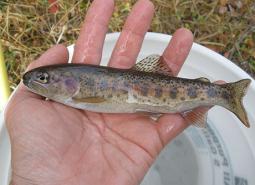
Great Basin Redband Trout – Fort Rock SMU
Oncorhynchus mykiss newberrii
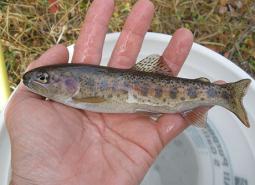
Great Basin Redband Trout – Malheur Lakes SMU
Oncorhynchus mykiss newberrii
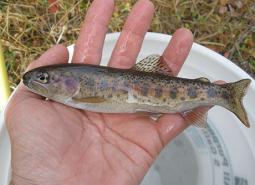
Great Basin Redband Trout – Warner Lakes SMU
Oncorhynchus mykiss newberrii/stonei
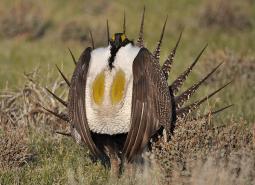
Greater Sage-Grouse
Centrocercus urophasianus
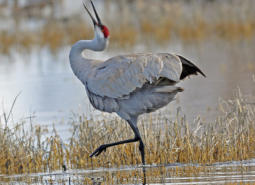
Greater Sandhill Crane
Antigone canadensis tabida

Grimy Ivesia
Ivesia rhypara var. rhypara
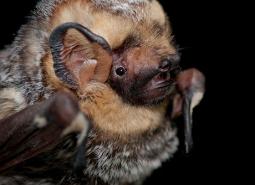
Hoary Bat
Lasiurus cinereus
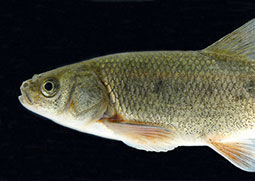
Hutton Spring Tui Chub
Siphateles bicolor oregonensis
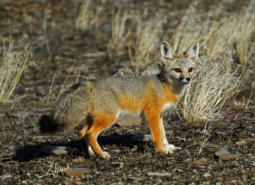
Kit Fox
Vulpes macrotis
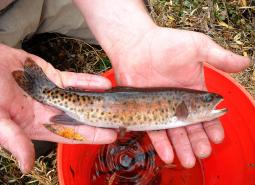
Lahontan Cutthroat Trout
Oncorhynchus clarki henshawi
Lahontan Cutthroat Trout – Coyote Lake SMU
Oncorhynchus clarki henshawi
Lahontan Cutthroat Trout – Quinn River SMU
Oncorhynchus clarki henshawi
Lemmon’s Milkvetch
Astragalus lemmonii
Little Brown Myotis
Myotis lucifugus
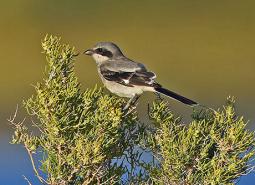
Loggerhead Shrike
Lanius ludovicianus
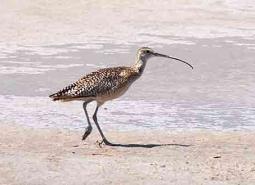
Long-billed Curlew
Numenius americanus
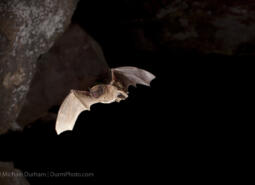
Long-legged Myotis
Myotis volans
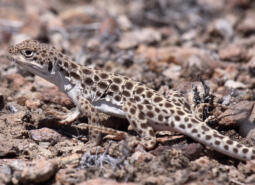
Long-nosed Leopard Lizard
Gambelia wislizeni
Malheur Valley Fiddleneck
Amsinckia carinata
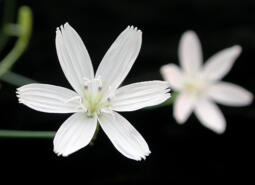
Malheur Wire-lettuce
Stephanomeria malheurensis
Misfortunate Crayfish
Pacifastacus malheurensis
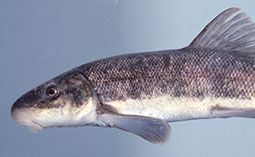
Modoc Sucker
Catostomus microps
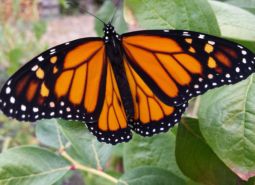
Monarch Butterfly
Danaus plexippus
Morrison Bumble Bee
Bombus morrisoni
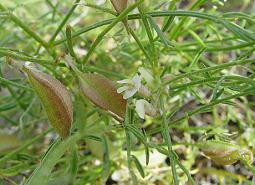
Mulford’s Milkvetch
Astragalus mulfordiae
Narrow-leaved Monardella
Monardella angustifolia
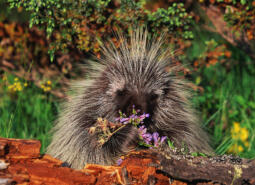
North American Porcupine
Erethizon dorsatum
Oregon Floater Mussel
Anodonta oregonensis
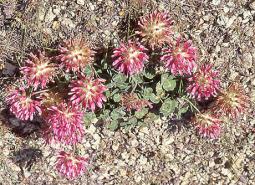
Owyhee Clover
Trifolium owyheense
Owyhee Hot Springsnail
Pyrgulopsis fresti
Owyhee Upland Pyrg
Pyrgulopsis owyheensis
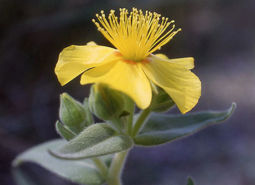
Packard’s Mentzelia
Mentzelia packardiae
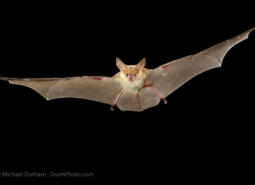
Pallid Bat
Antrozous pallidus
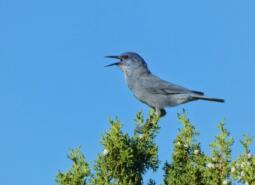
Pinyon Jay
Gymnorhinus cyanocephalus
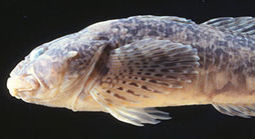
Pit Sculpin
Cottus pitensis
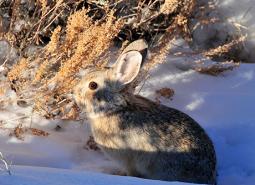
Pygmy Rabbit
Brachylagus idahoensis
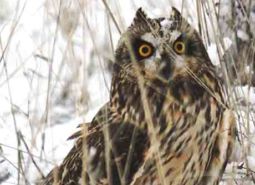
Short-eared Owl
Asio flammeus flammeus
Shortface Lanx
Fisherola nuttalli
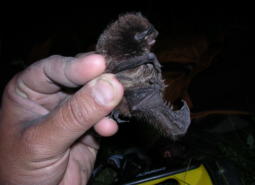
Silver-haired Bat
Lasionycteris noctivagans
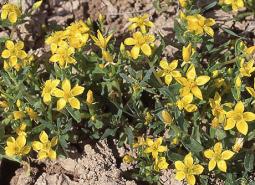
Smooth Mentzelia
Mentzelia mollis

Snake River Goldenweed
Pyrrocoma radiata
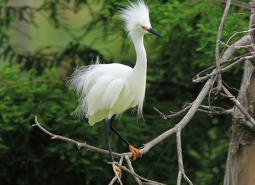
Snowy Egret
Egretta thula brewsteri
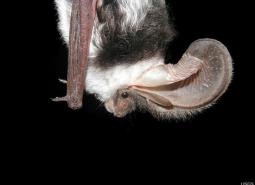
Spotted Bat
Euderma maculatum
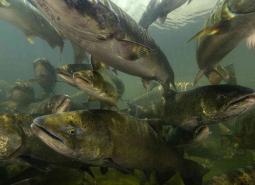
Spring Chinook Salmon – Upper Snake SMU (Snake River ESU)
Oncorhynchus tshawytscha
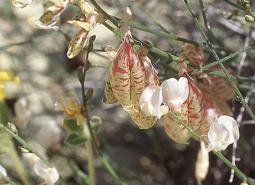
Sterile Milkvetch
Astragalus sterilis
Sullivan’s Sulphur (butterfly)
Colias occidentalis sullivani
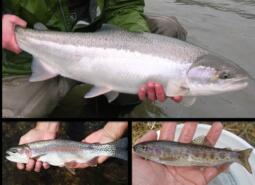
Summer Steelhead/Columbia Basin Redband Trout – Upper Snake SMU (Snake River Basin DPS)
Oncorhynchus mykiss/Oncorhynchus mykiss gairdneri
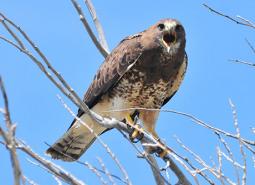
Swainson’s Hawk
Buteo swainsoni
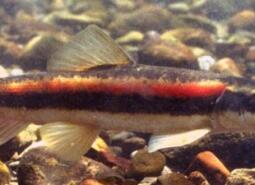
Tahoe Sucker
Catostomus tahoensis
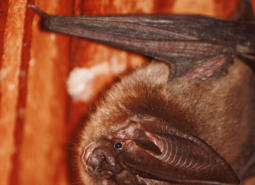
Townsend’s Big-eared Bat
Corynorhinus townsendii
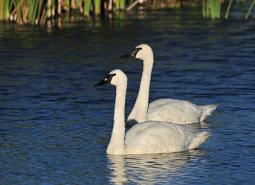
Trumpeter Swan
Cygnus buccinator
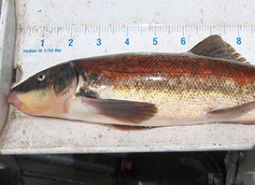
Warner Sucker
Catostomus warnerensis
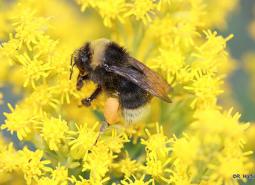
Western Bumble Bee
Bombus occidentalis
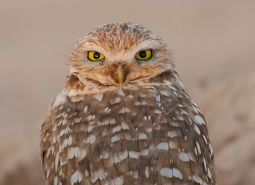
Western Burrowing Owl
Athene cunicularia hypugaea
Western Floater Mussel
Anodonta kennerlyi
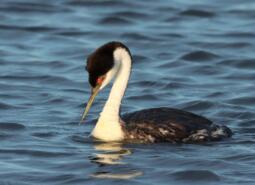
Western Grebe
Aechmophorus occidentalis
Western Long-eared Myotis
Myotis evotis
Western Pearlshell Mussel
Margaritifera falcata
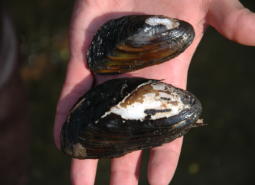
Western Ridged Mussel
Gonidea angulata
Western Small-footed Myotis
Myotis ciliolabrum
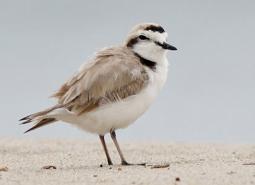
Western Snowy Plover
Anarhynchus nivosus nivosus
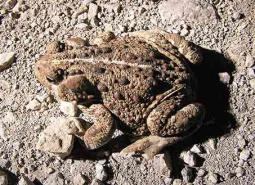
Western Toad
Anaxyrus boreas
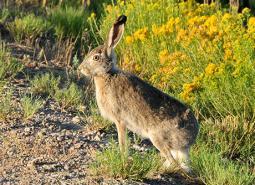
White-tailed Jackrabbit
Lepus townsendii
Conservation Opportunity Areas

Alvord Lake Basin [COA ID: 194]
Geographic boundaries of the COAs were updated for the 2026 State Wildlife Action Plan and the associated COA profiles are intended to provide additional information. Content of each COA profile is being refined and will be updated to reflect current conditions when feasible. Please help us by submitting information on Local Conservation Actions, Plans, or …
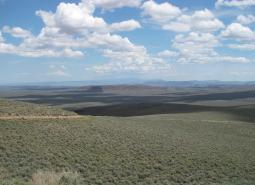
Basque Hills Area Plains [COA ID: 202]
Geographic boundaries of the COAs were updated for the 2026 State Wildlife Action Plan and the associated COA profiles are intended to provide additional information. Content of each COA profile is being refined and will be updated to reflect current conditions when feasible. Please help us by submitting information on Local Conservation Actions, Plans, or …
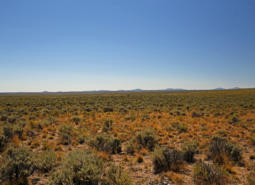
Brothers-North Wagontire [COA ID: 184]
Geographic boundaries of the COAs were updated for the 2026 State Wildlife Action Plan and the associated COA profiles are intended to provide additional information. Content of each COA profile is being refined and will be updated to reflect current conditions when feasible. Please help us by submitting information on Local Conservation Actions, Plans, or …
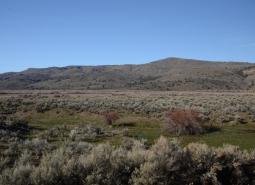
Bully Creek Area [COA ID: 183]
Geographic boundaries of the COAs were updated for the 2026 State Wildlife Action Plan and the associated COA profiles are intended to provide additional information. Content of each COA profile is being refined and will be updated to reflect current conditions when feasible. Please help us by submitting information on Local Conservation Actions, Plans, or …
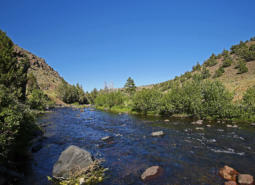
Chewaucan River [COA ID: 141]
Geographic boundaries of the COAs were updated for the 2026 State Wildlife Action Plan and the associated COA profiles are intended to provide additional information. Content of each COA profile is being refined and will be updated to reflect current conditions when feasible. Please help us by submitting information on Local Conservation Actions, Plans, or …
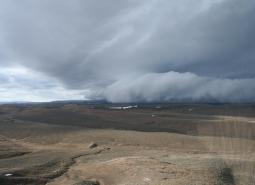
Crowley [COA ID: 185]
Geographic boundaries of the COAs were updated for the 2026 State Wildlife Action Plan and the associated COA profiles are intended to provide additional information. Content of each COA profile is being refined and will be updated to reflect current conditions when feasible. Please help us by submitting information on Local Conservation Actions, Plans, or …

Foster Flat-Black Rim Sagebrush Area [COA ID: 191]
Geographic boundaries of the COAs were updated for the 2026 State Wildlife Action Plan and the associated COA profiles are intended to provide additional information. Content of each COA profile is being refined and will be updated to reflect current conditions when feasible. Please help us by submitting information on Local Conservation Actions, Plans, or …
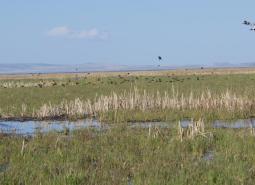
Harney-Malheur Area [COA ID: 187]
Geographic boundaries of the COAs were updated for the 2026 State Wildlife Action Plan and the associated COA profiles are intended to provide additional information. Content of each COA profile is being refined and will be updated to reflect current conditions when feasible. Please help us by submitting information on Local Conservation Actions, Plans, or …
Hart Mountain Area [COA ID: 200]
Geographic boundaries of the COAs were updated for the 2026 State Wildlife Action Plan and the associated COA profiles are intended to provide additional information. Content of each COA profile is being refined and will be updated to reflect current conditions when feasible. Please help us by submitting information on Local Conservation Actions, Plans, or …
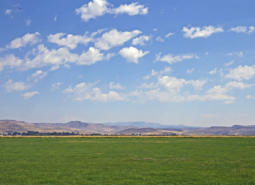
Jordan Creek Wetlands [COA ID: 195]
Geographic boundaries of the COAs were updated for the 2026 State Wildlife Action Plan and the associated COA profiles are intended to provide additional information. Content of each COA profile is being refined and will be updated to reflect current conditions when feasible. Please help us by submitting information on Local Conservation Actions, Plans, or …
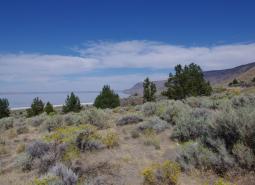
Lake Abert [COA ID: 197]
Geographic boundaries of the COAs were updated for the 2026 State Wildlife Action Plan and the associated COA profiles are intended to provide additional information. Content of each COA profile is being refined and will be updated to reflect current conditions when feasible. Please help us by submitting information on Local Conservation Actions, Plans, or …
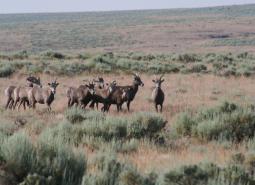
Little Louse Canyon [COA ID: 205]
Geographic boundaries of the COAs were updated for the 2026 State Wildlife Action Plan and the associated COA profiles are intended to provide additional information. Content of each COA profile is being refined and will be updated to reflect current conditions when feasible. Please help us by submitting information on Local Conservation Actions, Plans, or …
Malheur River Headwaters [COA ID: 180]
Geographic boundaries of the COAs were updated for the 2026 State Wildlife Action Plan and the associated COA profiles are intended to provide additional information. Content of each COA profile is being refined and will be updated to reflect current conditions when feasible. Please help us by submitting information on Local Conservation Actions, Plans, or …
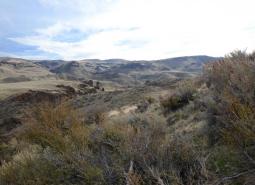
Middle Owyhee River Area [COA ID: 186]
Geographic boundaries of the COAs were updated for the 2026 State Wildlife Action Plan and the associated COA profiles are intended to provide additional information. Content of each COA profile is being refined and will be updated to reflect current conditions when feasible. Please help us by submitting information on Local Conservation Actions, Plans, or …
North Fork Malheur-Monument Rock Area [COA ID: 182]
Geographic boundaries of the COAs were updated for the 2026 State Wildlife Action Plan and the associated COA profiles are intended to provide additional information. Content of each COA profile is being refined and will be updated to reflect current conditions when feasible. Please help us by submitting information on Local Conservation Actions, Plans, or …
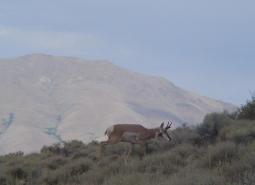
Pueblo Mountain [COA ID: 203]
Geographic boundaries of the COAs were updated for the 2026 State Wildlife Action Plan and the associated COA profiles are intended to provide additional information. Content of each COA profile is being refined and will be updated to reflect current conditions when feasible. Please help us by submitting information on Local Conservation Actions, Plans, or …
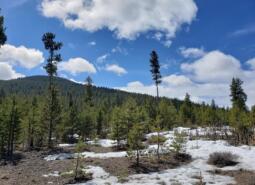
Quartz Mountain [COA ID: 131]
Geographic boundaries of the COAs were updated for the 2026 State Wildlife Action Plan and the associated COA profiles are intended to provide additional information. Content of each COA profile is being refined and will be updated to reflect current conditions when feasible. Please help us by submitting information on Local Conservation Actions, Plans, or …
Rattlesnake Creek-Calamity Creek Area [COA ID: 181]
Geographic boundaries of the COAs were updated for the 2026 State Wildlife Action Plan and the associated COA profiles are intended to provide additional information. Content of each COA profile is being refined and will be updated to reflect current conditions when feasible. Please help us by submitting information on Local Conservation Actions, Plans, or …
Sage Hen Creek [COA ID: 201]
Geographic boundaries of the COAs were updated for the 2026 State Wildlife Action Plan and the associated COA profiles are intended to provide additional information. Content of each COA profile is being refined and will be updated to reflect current conditions when feasible. Please help us by submitting information on Local Conservation Actions, Plans, or …
Silver Creek Area [COA ID: 175]
Geographic boundaries of the COAs were updated for the 2026 State Wildlife Action Plan and the associated COA profiles are intended to provide additional information. Content of each COA profile is being refined and will be updated to reflect current conditions when feasible. Please help us by submitting information on Local Conservation Actions, Plans, or …
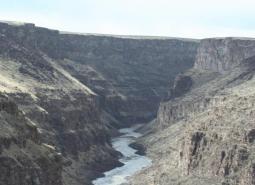
Soldier Creek-Upper Owyhee River [COA ID: 196]
Geographic boundaries of the COAs were updated for the 2026 State Wildlife Action Plan and the associated COA profiles are intended to provide additional information. Content of each COA profile is being refined and will be updated to reflect current conditions when feasible. Please help us by submitting information on Local Conservation Actions, Plans, or …
South Fork Crooked River Area [COA ID: 174]
Geographic boundaries of the COAs were updated for the 2026 State Wildlife Action Plan and the associated COA profiles are intended to provide additional information. Content of each COA profile is being refined and will be updated to reflect current conditions when feasible. Please help us by submitting information on Local Conservation Actions, Plans, or …
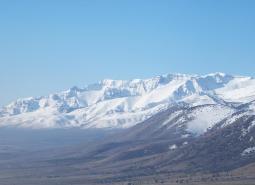
Steens Mountain [COA ID: 192]
Geographic boundaries of the COAs were updated for the 2026 State Wildlife Action Plan and the associated COA profiles are intended to provide additional information. Content of each COA profile is being refined and will be updated to reflect current conditions when feasible. Please help us by submitting information on Local Conservation Actions, Plans, or …
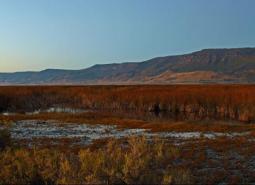
Summer Lake Area [COA ID: 189]
Geographic boundaries of the COAs were updated for the 2026 State Wildlife Action Plan and the associated COA profiles are intended to provide additional information. Content of each COA profile is being refined and will be updated to reflect current conditions when feasible. Please help us by submitting information on Local Conservation Actions, Plans, or …
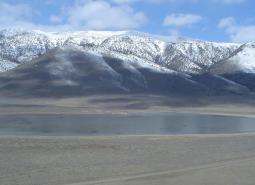
Ten Cent Lake-Juniper Lake Area [COA ID: 193]
Geographic boundaries of the COAs were updated for the 2026 State Wildlife Action Plan and the associated COA profiles are intended to provide additional information. Content of each COA profile is being refined and will be updated to reflect current conditions when feasible. Please help us by submitting information on Local Conservation Actions, Plans, or …

Three Forks [COA ID: 206]
Geographic boundaries of the COAs were updated for the 2026 State Wildlife Action Plan and the associated COA profiles are intended to provide additional information. Content of each COA profile is being refined and will be updated to reflect current conditions when feasible. Please help us by submitting information on Local Conservation Actions, Plans, or …
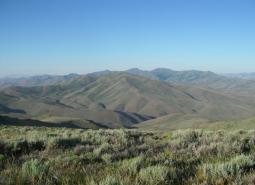
Trout Creek Mountains [COA ID: 204]
Geographic boundaries of the COAs were updated for the 2026 State Wildlife Action Plan and the associated COA profiles are intended to provide additional information. Content of each COA profile is being refined and will be updated to reflect current conditions when feasible. Please help us by submitting information on Local Conservation Actions, Plans, or …
Upper Silvies River [COA ID: 178]
Geographic boundaries of the COAs were updated for the 2026 State Wildlife Action Plan and the associated COA profiles are intended to provide additional information. Content of each COA profile is being refined and will be updated to reflect current conditions when feasible. Please help us by submitting information on Local Conservation Actions, Plans, or …
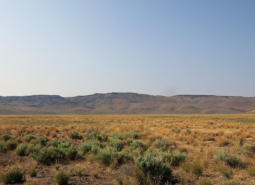
Upper South Fork Malheur Area [COA ID: 188]
Geographic boundaries of the COAs were updated for the 2026 State Wildlife Action Plan and the associated COA profiles are intended to provide additional information. Content of each COA profile is being refined and will be updated to reflect current conditions when feasible. Please help us by submitting information on Local Conservation Actions, Plans, or …
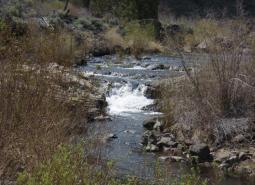
Warner Basin Wetlands [COA ID: 199]
Geographic boundaries of the COAs were updated for the 2026 State Wildlife Action Plan and the associated COA profiles are intended to provide additional information. Content of each COA profile is being refined and will be updated to reflect current conditions when feasible. Please help us by submitting information on Local Conservation Actions, Plans, or …
Warner Mountains [COA ID: 146]
Geographic boundaries of the COAs were updated for the 2026 State Wildlife Action Plan and the associated COA profiles are intended to provide additional information. Content of each COA profile is being refined and will be updated to reflect current conditions when feasible. Please help us by submitting information on Local Conservation Actions, Plans, or …

Warner West [COA ID: 198]
Geographic boundaries of the COAs were updated for the 2026 State Wildlife Action Plan and the associated COA profiles are intended to provide additional information. Content of each COA profile is being refined and will be updated to reflect current conditions when feasible. Please help us by submitting information on Local Conservation Actions, Plans, or …
Willow Creek-Birch Creek Area [COA ID: 167]
Geographic boundaries of the COAs were updated for the 2026 State Wildlife Action Plan and the associated COA profiles are intended to provide additional information. Content of each COA profile is being refined and will be updated to reflect current conditions when feasible. Please help us by submitting information on Local Conservation Actions, Plans, or …