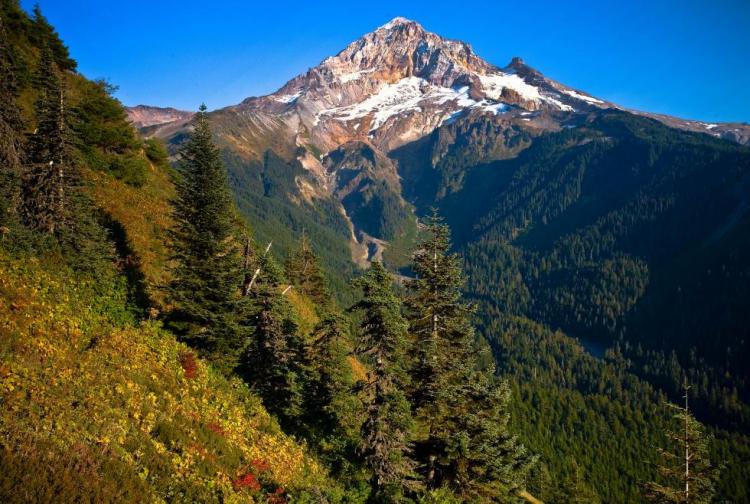
Description
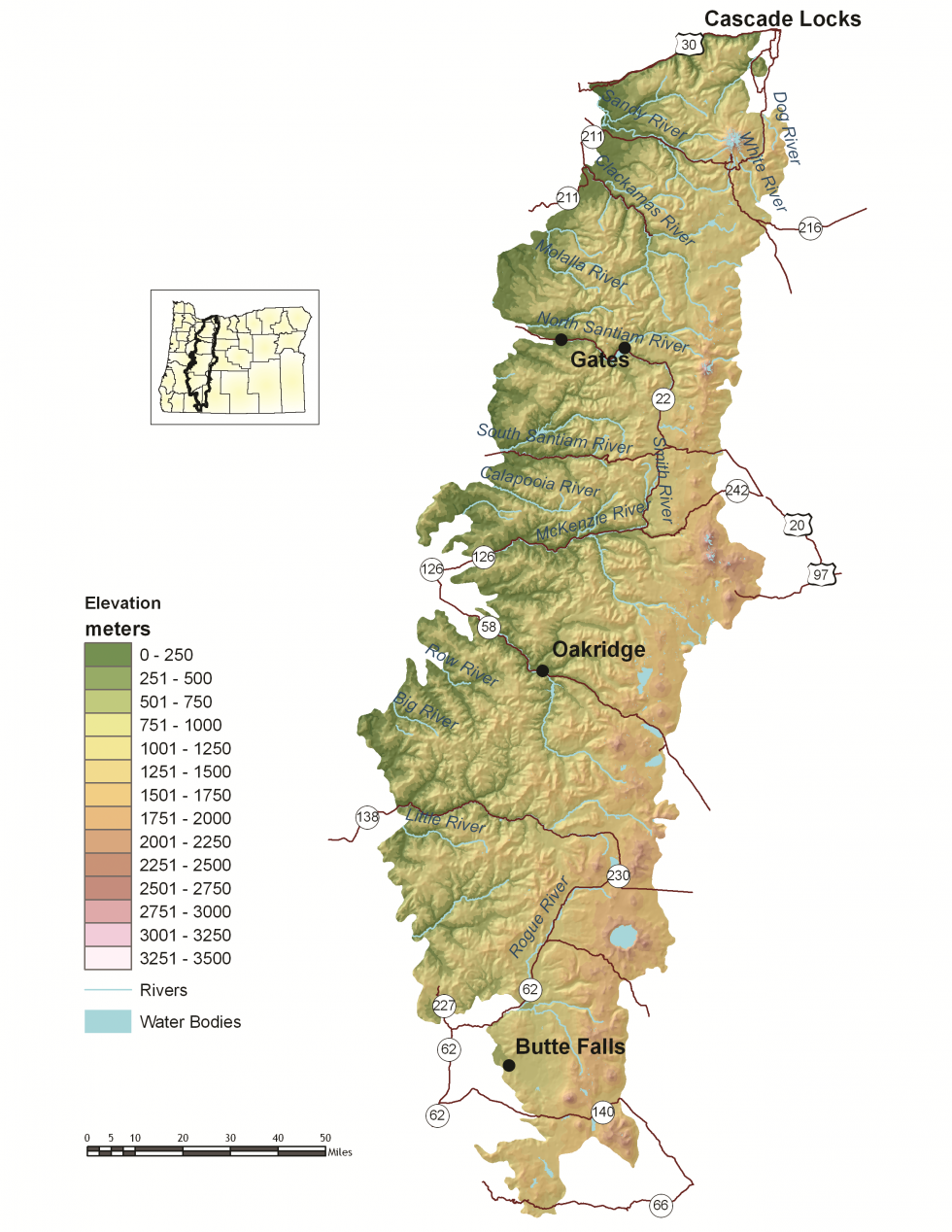
The West Cascades ecoregion extends from just east of the Cascade Mountains’ summit to the foothills of the Willamette, Umpqua, and Rogue Valleys, and spans nearly the entire length of the state of Oregon, from the Columbia River to within five miles of the California border. The topography and soils of the West Cascades ecoregion have been shaped dramatically by its volcanic past. The West Cascades ecoregion has two geologically distinct areas: the younger volcanic crest (approximately 8 million years old) and the “old Cascades” to the west of the crest (at least 30 million years old). The volcanic crest includes the highest peaks in Oregon: Mt. Hood, Mt. Jefferson, and North, Middle, and South Sisters, all more than 10,000 feet. The “old Cascades” are characterized by long, steep ridges and wide, glaciated valleys.
This ecoregion is almost entirely forested by conifers, although the dominant tree species vary by elevation, site characteristics, and stand history. Douglas-fir is the most common tree below 4,000 feet, often with western hemlock as a co-dominant species. At higher elevations, dominant tree species include Pacific silver fir, mountain hemlock, or subalpine fir. Other common conifers include western redcedar, grand fir, and noble fir. Above approximately 7,000 feet, the conditions are too severe for tree growth, and alpine parklands and dwarf shrubs predominate, including some wetlands and barren expanses of rock and ice. In the southern areas, ponderosa pine, sugar pine, and incense cedar often are found with Douglas-fir at the lower elevations.
The climate and resulting fire regimes vary with latitude and elevation. The northern portion of the ecoregion is typified by less frequent but more severe fires, whereas the southern portion is typically drier with moderately frequent, mixed-severity, lightning-caused fires. Across the entire region, fire frequency and severity are increasing due to changing climate. At lower elevations, winter conditions are often mild with high rainfall. In contrast, above 4,000 feet, winters are typified by lower temperatures and much of the precipitation occurs as snowfall.
The West Cascades ecoregion is sparsely populated, with towns including Cascade Locks, Butte Falls, Detroit, Gates, Idanha, McKenzie Bridge, Blue River, Oakridge, Westfir, and part of Sandy and Sweet Home (the remainder of which lie in the Willamette Valley ecoregion). Local economies were once entirely dependent on timber harvest but have been greatly affected as market conditions (long-term and broad-scale changes in the forest products marketplace) and shifts in public forest management priorities have shaped Oregon’s timber industry. Many towns are increasingly promoting recreational opportunities, including hiking, camping, fishing, hunting, birding, mountain biking, and skiing.
Characteristics
Important Industries
Forest products, recreation (hiking, biking, wildlife viewing, hunting, fishing, snow sports)
Major Agricultural Products
Fruits, mint, cattle
Important Nature-based Recreational Areas
Mt. Hood, Willamette, Umpqua, and Rogue River-Siskiyou National Forests, Waldo Lake, Odell Lake, Detroit and Hills Creek Reservoirs, Crater Lake National Park, Three Sisters, Sky Lakes, and Mount Jefferson Wilderness Areas, Willamette Hatchery
Elevation
98 feet (along the western border of the ecoregion) to 11,240 feet (Cascade peaks)
Important Rivers
Clackamas (Oak Grove Fork), McKenzie, Rogue, Umpqua, Breitenbush, Middle Santiam, North and Middle Fork of the Willamette
Climate
The West Cascades ecoregion is characterized by steep ridges and river valleys to the west and a high plateau to the east. The region has a mild to severe mid-latitude climate with dry, warm summers and mild or cool, very wet winters. The climate varies by latitude and elevation, especially near the volcanoes within this ecoregion.
Warming is projected in all seasons across the Cascades ecoregion, with the largest increases projected for summer. Summer average temperature is projected to increase by as much as 7°F for the 2040-2069 period and as much as 11°F for the 2070-2099 period (Figure 1). Late summer precipitation is projected to decrease by as much as 19% by the 2070-2099 period, and cool season precipitation is projected to increase by 6% (Figure 2). Less precipitation will fall as snow in Cascades in the future, leading to even wetter winters and drier summers. Confidence in cool season projections, however, is low after 2010-2039. Growing degree days are projected to more than double by the 2070-2099 period for this ecoregion under a high emissions scenario (SSP585). Frost days are projected to decrease from 171 per year until there are fewer than 100 per year, on average, under the high emissions scenario (SSP585).


Limiting Factors and Recommended Approaches
Limiting Factor: Altered Fire Regimes
CMP Direct Threats 7.1, 11.3, 11.4
Many forests in the West Cascades ecoregion are at risk of losing one or more ecosystem components to wildfire. Fire suppression and certain forest practices have resulted in young, dense, mixed-species stands of trees that are at increased risk of forest-destroying crown fires, disease, and damage by insects. Under changing climate conditions these risks are expected to increase, with warming temperatures and more frequent drought contributing to shorter fire return intervals and more severe fires. Efforts to reduce risks of uncharacteristically severe fires can help to restore habitat but require careful planning to provide sufficient habitat features that are important to wildlife (e.g., snags, downed logs, hiding cover).
Recommended Approach
Use an integrated approach to wildfire issues that considers historical conditions, wildlife conservation, natural fire intervals, and silvicultural techniques. Consider the broader landscape context, including habitat connectivity, cumulative impacts, fish and wildlife species presence, and mapped or modeled suitable habitat when engaging in forest management and wildfire risk mitigation activities. Reintroduce fire where feasible; prioritize sites and applications. Maintain important wildlife habitat features, such as snags and logs, to sustain wildlife species that are dependent on dead wood. Maintain early-, mid-, and late-seral habitats to support a diversity of species. Monitor these efforts and use adaptive management techniques to ensure efforts are meeting habitat restoration and wildfire prevention objectives with minimal impacts on wildlife. Work with homeowners and resort operators to reduce vulnerability of properties to wildfire while maintaining habitat quality. Highlight successful, environmentally sensitive fuel management programs. In the case of post-wildfire recovery, maintain high snag densities and replant with site-adapted native tree, shrub, grass, and forb species. Promote revegetation with native species that are expected to be climate resilient. Prevent colonization of invasive vegetation, such as scotch broom. Manage reforestation after wildfire to create species and structural diversity, based on local management goals.
Limiting Factor: Water
CMP Direct Threats 7.2, 114
Water Quantity is a limiting factor for fish, wildlife, and livestock. Changing climate conditions are leading to rising temperatures and altered patterns of precipitation, which affect water availability across different times of year, and drought conditions are occurring more frequently. In high elevation areas, loss of snowpack due to warming climate conditions is affecting habitat for many species along the Cascade crest and is leading to reduced stream flow rates and peak flow rates that are occurring earlier in the year. In streams, seasonal low flows can limit habitat suitability, survival, and reproduction for many fish and wildlife species.
Water quality can also limit species and habitats. Runoff from agricultural areas and herbicides applied to forest lands can contaminate waterways. Warming temperatures, combined with higher nutrient levels due to agricultural runoff, are increasing the prevalence of toxic cyanobacterial blooms.
Recommended Approach
Provide incentives and information about water usage and sharing during low flow conditions (e.g., late summer). Promote water management actions that enable climate resilience and adaptation. Invest in watershed-scale projects for cold water and flow protection. Identify and protect cold water rearing and refugia habitat for aquatic species. Increase awareness and manage timing of applications of potential aquatic contaminants. Improve compliance with water quality standards and pesticide use labels administered by the DEQ and EPA. Work on implementing Senate Bill 1010 (Oregon Department of Agriculture) and DEQ Total Maximum Daily Load water quality plans.
Limiting Factor: Habitat Fragmentation
CMP Direct Threats 1, 2.1, 2.3, 3.3, 8.1
Increasing traffic volumes, road density, recreational pressure, and urban and rural development are contributing to habitat loss and fragmentation, and create significant barriers to animal movements. Hydropower systems, including high-head flood control and hydropower dams, also have significant impacts to species movement in this ecoregion. Levees, hydropower canals, and hardened stream banks reduce available habitat for fish and aquatic species and can entrap and kill wildlife. Altered hydrology from these systems, including impacts to temperatures and timing of water availability, can affect fish passage.
Recommended Approach
Work with community leaders and local governments to encourage planned, efficient growth. Support existing land use regulations to preserve forestland, farmland, rangeland, open spaces, recreation areas, wildlife refuges, and natural habitats. Work with community leaders and agency partners to protect wildlife movement corridors and to fund and implement site-appropriate habitat enhancement and restoration efforts to facilitate wildlife movement. Continue working with Oregon Watershed Enhancement Board, Oregon Department of Transportation, Oregon Department of Forestry, USFS, BLM, counties, local municipalities, irrigation districts, and other partners to inventory, prioritize, and provide fish passage at artificial obstructions, leveraging current work done by ODFW’s Fish Passage Task Force to expand implementation of fish passage priorities. Minimize entrapment risk in hydropower canals by providing crossing structures and escape devices at regular intervals. Provide incentives (e.g., financial assistance, conservation easements) and information about the benefits of maintaining wildlife habitat. Broad-scale conservation strategies will need to focus on restoring and maintaining more natural ecosystem processes and functions within areas that are managed primarily for other values. This may include an emphasis on more “conservation-friendly” management techniques for existing land uses, and restoration of some key ecosystem components such as riparian function.
Limiting Factor: Invasive Species
CMP Direct Threat 8.1
Invasive plants and animals disrupt and degrade native communities, diminish populations of at-risk native species, and threaten the economic productivity of resource lands. Invasive plants, particularly noxious weeds, have increased substantially. In many cases, the spread of invasives is facilitated by wildfire, as many invasive species can quickly colonize disturbed areas. In this ecoregion, Scotch broom is of particular concern. Scotch broom spreads aggressively to form monocultures, displacing native, beneficial plants and forage grasses, with seeds that can remain viable for decades, making it very difficult to eradicate. Himalayan blackberry is also widespread, with significant local impacts to meadows, riparian areas, and grasslands.
While not as disruptive as invasive vegetation, invasive animals have caused problems for native wildlife species in this ecoregion. A variety of sport fish, introduced to many high elevation lakes, compete with native amphibians for limited resources and prey on native species and/or their eggs or young. Barred Owl, expanding westward from their native range in the eastern US, compete directly with the native, threatened Northern Spotted Owl for food and habitat.
Recommended Approach
Emphasize prevention, risk assessment, early detection, and quick control to prevent new invasive species from becoming fully established. Prioritize efforts to focus on key invasive species in high priority areas, particularly where Key Habitats and Species of Greatest Conservation Need occur. Where needed, use multiple site-appropriate tools (e.g., mechanical, chemical, and biological) to control the most damaging invasive species. During post-fire recovery efforts, use techniques that prevent establishment of or quickly eradicate invasive vegetation. Ensure native species are used during restoration and revegetation efforts and promote native species that are expected to be climate resilient.
Limiting Factor: Recreational Activity
CMP Direct Threats 1.3, 4.1, 5.1, 5.2, 5.4, 6.1
Increasing demands for year-round recreational activity can disturb wildlife. Population growth has contributed to increased pressure on natural areas from recreationists, including those engaging in hiking, biking, camping, fishing, hunting, foraging, rafting, backcountry skiing, boating, paddleboarding, and off-road vehicle use. Expanded road and trail systems developed to help accommodate higher numbers of visitors are increasing habitat fragmentation and risks of behavioral impacts to wildlife. Recreational pressure can lead to an increase in wildlife stress response and behavioral changes that ultimately impact reproductive rates and population abundance. Human recreation can contribute to destruction of sensitive vegetation, harassment of wildlife from off-leash pets, spread of invasive species, and contamination of areas with refuse. Many species will avoid areas near trails, campgrounds, and access roads when humans are present.
Recommended Approach
Plan new recreational trail systems carefully and with consideration for native wildlife and their habitats. For example, limit use and access to certain areas to minimize disturbance to wildlife, avoiding areas more sensitive to damage such as wetlands. Take advantage of abandoned or closed roads, rail lines, or previously impacted areas for conversion into trails. Work with land management agencies such as the USFS to designate areas as high value recreation and low habitat impact areas. Institute road and/or area closures to protect species during sensitive times of year and decommission roads when possible. In high use areas, establish permitted entry systems to decrease recreational pressure. Engage in outreach and education to increase public awareness of recreation impacts to fish and wildlife species; develop messaging to communicate the need for “responsible recreation”.
Species of Greatest Conservation Need
A Caddisfly
Farula constricta
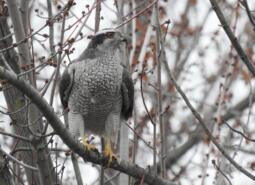
American Goshawk
Astur atricapillus

American Pika
Ochotona princeps
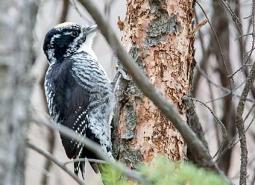
American Three-toed Woodpecker
Picoides dorsalis
Beller’s Ground Beetle
Agonum belleri
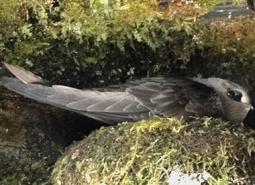
Black Swift
Cypseloides niger borealis
Black Tern
Chlidonias niger
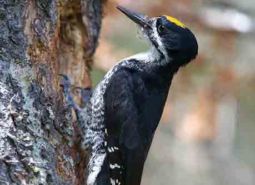
Black-backed Woodpecker
Picoides arcticus
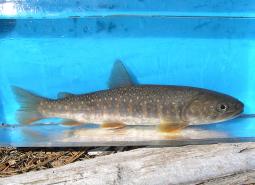
Bull Trout
Salvelinus confluentus
Bull Trout – Coastal Recovery Unit
Salvelinus confluentus
Bull Trout – Klamath Recovery Unit
Salvelinus confluentus

California Floater Mussel
Anodonta californiensis
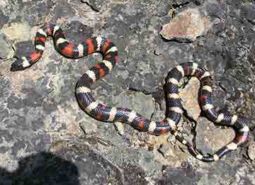
California Mountain Kingsnake
Lampropeltis zonata
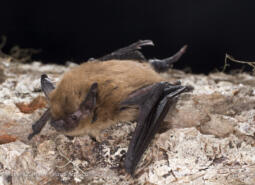
California Myotis
Myotis californicus
Canyon Bat
Parastrellus hesperus
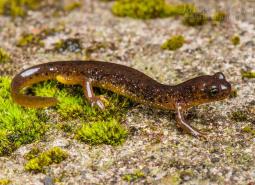
Cascade Torrent Salamander
Rhyacotriton cascadae
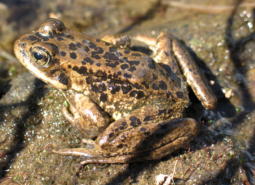
Cascades Frog
Rana cascadae
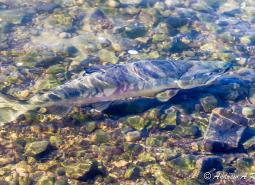
Chum Salmon
Oncorhynchus keta
Chum Salmon – Lower Columbia SMU (Columbia River ESU)
Oncorhynchus keta
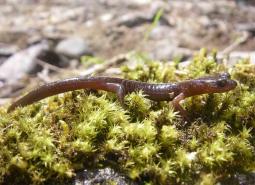
Clouded Salamander
Aneides ferreus
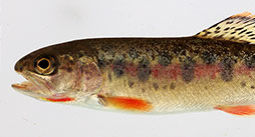
Coastal Cutthroat Trout
Oncorhynchus clarki clarki
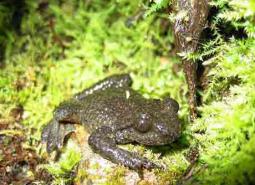
Coastal Tailed Frog
Ascaphus truei
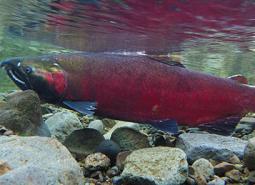
Coho Salmon
Oncorhynchus kisutch
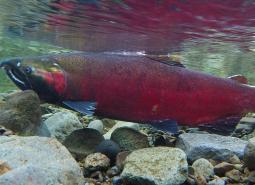
Coho Salmon – Lower Columbia SMU (SW Washington/Lower Columbia River ESU)
Oncorhynchus kisutch
Coho Salmon – Rogue-South Coast SMU (Southern Oregon/Northern California Coasts ESU)
Oncorhynchus kisutch
Columbia Gorge Caddisfly
Neothremma andersoni
Columbia Pebblesnail
Fluminicola fuscus
Columbia Yellowcress
Rorippa columbiae
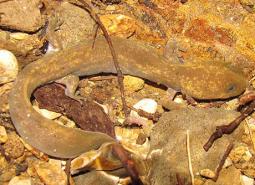
Cope’s Giant Salamander
Dicamptodon copei
Dalles Hesperian
Vespericola depressus
Dog Star Skipper (butterfly)
Polites sonora siris
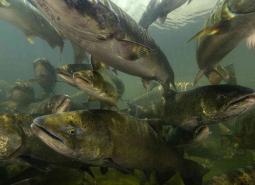
Fall Chinook Salmon – Lower Columbia SMU (Lower Columbia River ESU)
Oncorhynchus tshawytscha
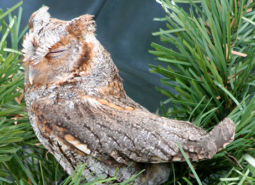
Flammulated Owl
Psiloscops flammeolus
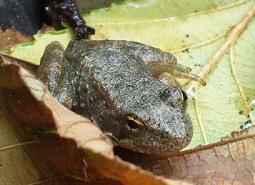
Foothill Yellow-legged Frog
Rana boylii
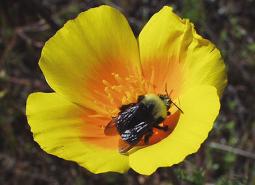
Franklin’s Bumble Bee
Bombus franklini
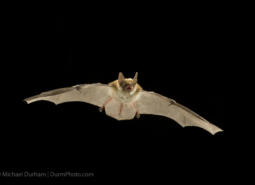
Fringed Myotis
Myotis thysanodes
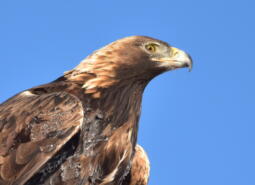
Golden Eagle
Aquila chrysaetos

Gray Wolf
Canis lupus
Gray-blue (butterfly)
Agriades podarce klamathensis
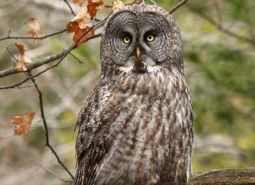
Great Gray Owl
Strix nebulosa
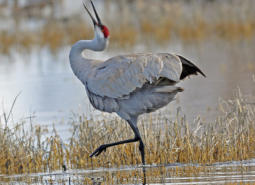
Greater Sandhill Crane
Antigone canadensis tabida
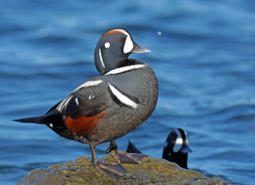
Harlequin Duck
Histrionicus histrionicus
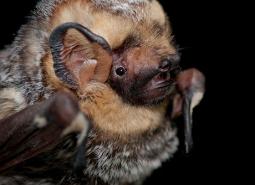
Hoary Bat
Lasiurus cinereus
Johnson’s Hairstreak (butterfly)
Callophrys johnsoni
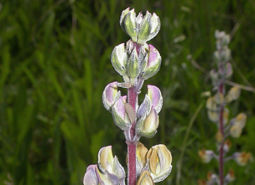
Kincaid’s Lupine
Lupinus oreganus
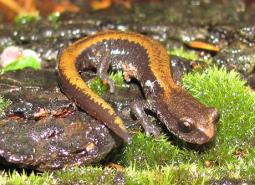
Larch Mountain Salamander
Plethodon larselli
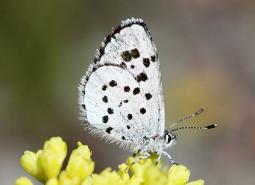
Leona’s Little Blue Butterfly
Philotiella leona
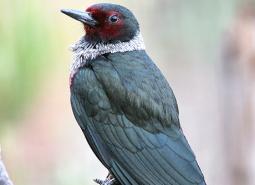
Lewis’s Woodpecker
Melanerpes lewis
Little Brown Myotis
Myotis lucifugus
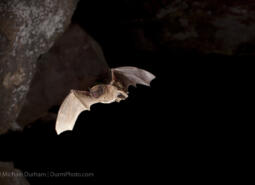
Long-legged Myotis
Myotis volans
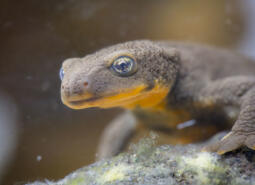
Mazama (Crater Lake) Newt
Taricha granulosa mazamae
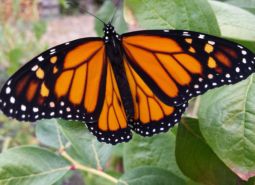
Monarch Butterfly
Danaus plexippus
Morrison Bumble Bee
Bombus morrisoni
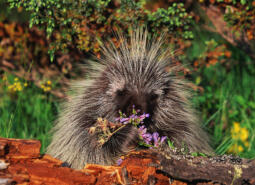
North American Porcupine
Erethizon dorsatum
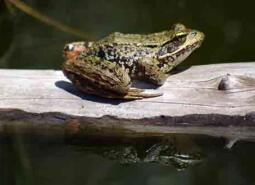
Northern Red-legged Frog
Rana aurora
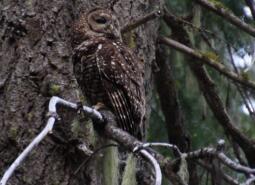
Northern Spotted Owl
Strix occidentalis caurina
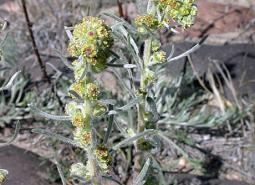
Northern Wormwood
Artemisia campestris var. wormskioldii
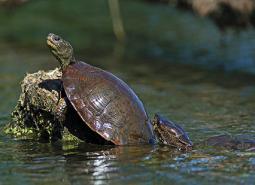
Northwestern Pond Turtle
Actinemys marmorata
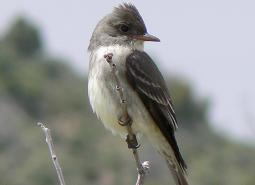
Olive-sided Flycatcher
Contopus cooperi
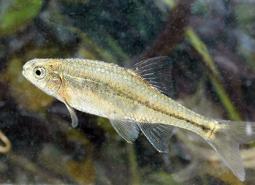
Oregon Chub
Oregonichthys crameri
Oregon Floater Mussel
Anodonta oregonensis
Oregon Shoulderband
Helminthoglypta hertleini
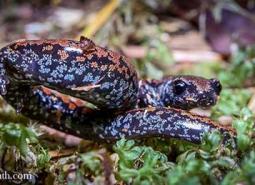
Oregon Slender Salamander
Batrachoseps wrighti
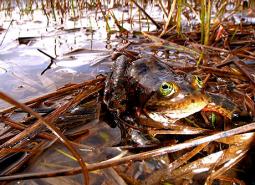
Oregon Spotted Frog
Rana pretiosa
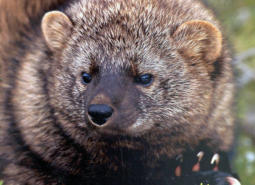
Pacific Fisher
Pekania pennanti
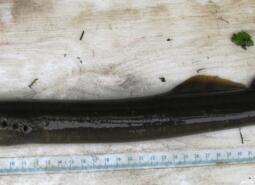
Pacific Lamprey
Entosphenus tridentatus
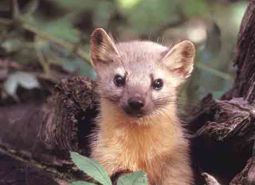
Pacific Marten
Martes caurina
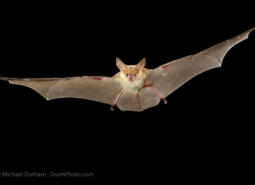
Pallid Bat
Antrozous pallidus
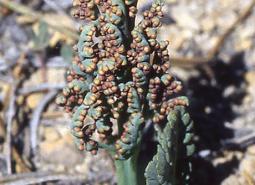
Pumice Grape-fern
Botrychium pumicola
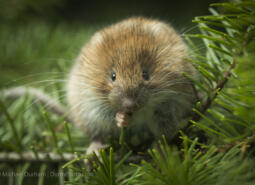
Red Tree Vole
Arborimus longicaudus

Ringtail
Bassariscus astutus
Scott’s Apatanian Caddisfly
Allomyia scotti
Shortface Lanx
Fisherola nuttalli
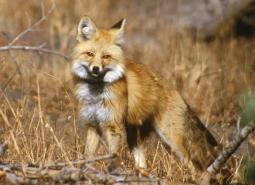
Sierra Nevada Red Fox
Vulpes vulpes necator
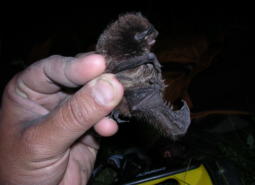
Silver-haired Bat
Lasionycteris noctivagans
Siskiyou Hesperian
Vespericola sierranus
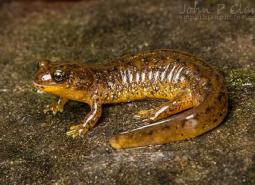
Southern Torrent Salamander
Rhyacotriton variegatus
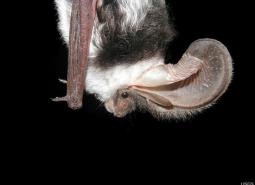
Spotted Bat
Euderma maculatum
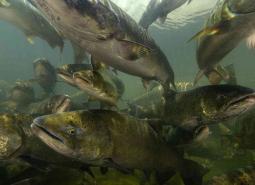
Spring Chinook Salmon – Coastal SMU (Oregon Coast ESU)
Oncorhynchus tshawytscha
Spring Chinook Salmon – Lower Columbia SMU (Lower Columbia River ESU)
Oncorhynchus tshawytscha
Spring Chinook Salmon – Rogue SMU (Southern Oregon/Northern California Coasts ESU)
Oncorhynchus tshawytscha
Spring Chinook Salmon – Willamette SMU (Upper Willamette ESU)
Oncorhynchus tshawytscha
Subarctic Darner
Aeshna subarctica
Suckley’s Cuckoo Bumblebee
Bombus suckleyi
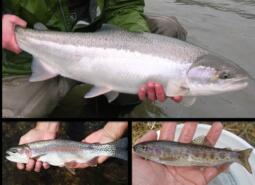
Summer Steelhead/Coastal Rainbow Trout – Coastal SMU (Oregon Coast DPS)
Oncorhynchus mykiss/Oncorhynchus mykiss irideus
Summer Steelhead/Coastal Rainbow Trout – Lower Columbia SMU (Lower Columbia River DPS)
Oncorhynchus mykiss/Oncorhynchus mykiss irideus
Summer Steelhead/Coastal Rainbow Trout – Rogue SMU (Klamath Mountains Province DPS)
Oncorhynchus mykiss/Oncorhynchus mykiss irideus
Summer Steelhead/Redband Trout – Upper Klamath Basin SMU (Klamath Mountains Province DPS)
Oncorhynchus mykiss
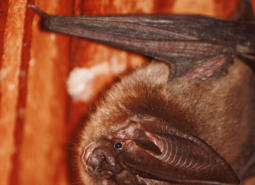
Townsend’s Big-eared Bat
Corynorhinus townsendii
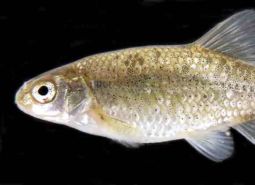
Umpqua Chub
Oregonichthys kalawatseti
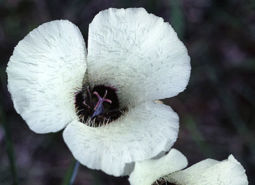
Umpqua Mariposa Lily
Calochortus umpquaensis
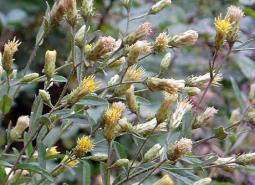
Wayside Aster
Eucephalus vialis
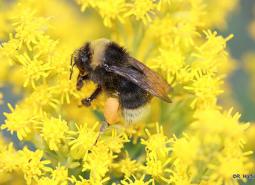
Western Bumble Bee
Bombus occidentalis
Western Floater Mussel
Anodonta kennerlyi
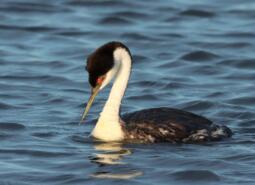
Western Grebe
Aechmophorus occidentalis
Western Long-eared Myotis
Myotis evotis
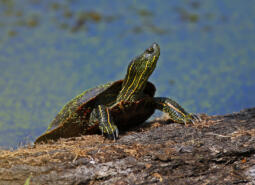
Western Painted Turtle
Chrysemys picta belli
Western Pearlshell Mussel
Margaritifera falcata
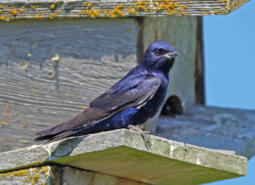
Western Purple Martin
Progne subis arboricola
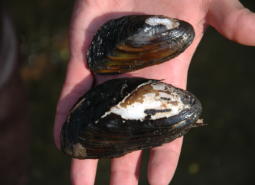
Western Ridged Mussel
Gonidea angulata
Conservation Opportunity Areas

Antelope Creek-Paynes Cliffs [COA ID: 099]
Geographic boundaries of the COAs were updated for the 2026 State Wildlife Action Plan and the associated COA profiles are intended to provide additional information. Content of each COA profile is being refined and will be updated to reflect current conditions when feasible. Please help us by submitting information on Local Conservation Actions, Plans, or …
Big Butte Area [COA ID: 122]
Geographic boundaries of the COAs were updated for the 2026 State Wildlife Action Plan and the associated COA profiles are intended to provide additional information. Content of each COA profile is being refined and will be updated to reflect current conditions when feasible. Please help us by submitting information on Local Conservation Actions, Plans, or …
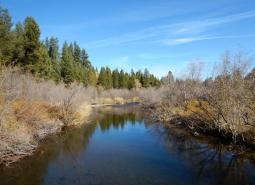
Big Marsh Creek [COA ID: 133]
Geographic boundaries of the COAs were updated for the 2026 State Wildlife Action Plan and the associated COA profiles are intended to provide additional information. Content of each COA profile is being refined and will be updated to reflect current conditions when feasible. Please help us by submitting information on Local Conservation Actions, Plans, or …
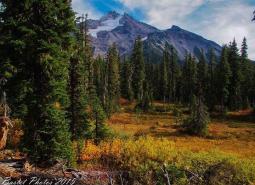
Breitenbush River [COA ID: 110]
Geographic boundaries of the COAs were updated for the 2026 State Wildlife Action Plan and the associated COA profiles are intended to provide additional information. Content of each COA profile is being refined and will be updated to reflect current conditions when feasible. Please help us by submitting information on Local Conservation Actions, Plans, or …
Bull of the Woods, North [COA ID: 108]
Geographic boundaries of the COAs were updated for the 2026 State Wildlife Action Plan and the associated COA profiles are intended to provide additional information. Content of each COA profile is being refined and will be updated to reflect current conditions when feasible. Please help us by submitting information on Local Conservation Actions, Plans, or …
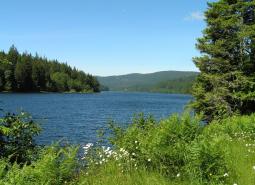
Bull Run-Sandy Rivers [COA ID: 105]
Geographic boundaries of the COAs were updated for the 2026 State Wildlife Action Plan and the associated COA profiles are intended to provide additional information. Content of each COA profile is being refined and will be updated to reflect current conditions when feasible. Please help us by submitting information on Local Conservation Actions, Plans, or …
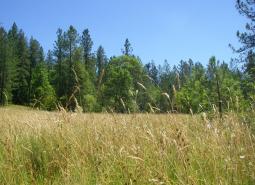
Calapooia River [COA ID: 082]
Geographic boundaries of the COAs were updated for the 2026 State Wildlife Action Plan and the associated COA profiles are intended to provide additional information. Content of each COA profile is being refined and will be updated to reflect current conditions when feasible. Please help us by submitting information on Local Conservation Actions, Plans, or …
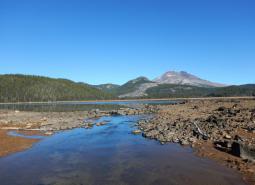
Central Cascades Crest, Southeast [COA ID: 116]
Geographic boundaries of the COAs were updated for the 2026 State Wildlife Action Plan and the associated COA profiles are intended to provide additional information. Content of each COA profile is being refined and will be updated to reflect current conditions when feasible. Please help us by submitting information on Local Conservation Actions, Plans, or …
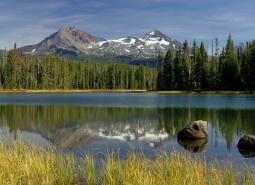
Central Cascades Crest, West [COA ID: 113]
Geographic boundaries of the COAs were updated for the 2026 State Wildlife Action Plan and the associated COA profiles are intended to provide additional information. Content of each COA profile is being refined and will be updated to reflect current conditions when feasible. Please help us by submitting information on Local Conservation Actions, Plans, or …
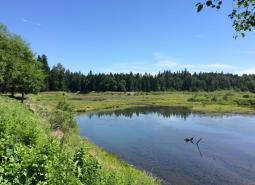
Clackamas River and Tributaries [COA ID: 065]
Geographic boundaries of the COAs were updated for the 2026 State Wildlife Action Plan and the associated COA profiles are intended to provide additional information. Content of each COA profile is being refined and will be updated to reflect current conditions when feasible. Please help us by submitting information on Local Conservation Actions, Plans, or …
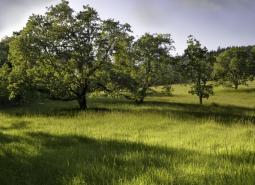
Coburg Ridge [COA ID: 087]
Geographic boundaries of the COAs were updated for the 2026 State Wildlife Action Plan and the associated COA profiles are intended to provide additional information. Content of each COA profile is being refined and will be updated to reflect current conditions when feasible. Please help us by submitting information on Local Conservation Actions, Plans, or …
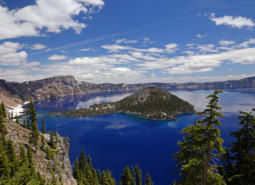
Crater Lake [COA ID: 121]
Geographic boundaries of the COAs were updated for the 2026 State Wildlife Action Plan and the associated COA profiles are intended to provide additional information. Content of each COA profile is being refined and will be updated to reflect current conditions when feasible. Please help us by submitting information on Local Conservation Actions, Plans, or …
Hood River [COA ID: 106]
Geographic boundaries of the COAs were updated for the 2026 State Wildlife Action Plan and the associated COA profiles are intended to provide additional information. Content of each COA profile is being refined and will be updated to reflect current conditions when feasible. Please help us by submitting information on Local Conservation Actions, Plans, or …
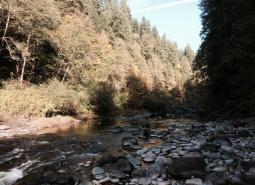
Little North Santiam River Area [COA ID: 109]
Geographic boundaries of the COAs were updated for the 2026 State Wildlife Action Plan and the associated COA profiles are intended to provide additional information. Content of each COA profile is being refined and will be updated to reflect current conditions when feasible. Please help us by submitting information on Local Conservation Actions, Plans, or …

Lower Sandy River [COA ID: 057]
Geographic boundaries of the COAs were updated for the 2026 State Wildlife Action Plan and the associated COA profiles are intended to provide additional information. Content of each COA profile is being refined and will be updated to reflect current conditions when feasible. Please help us by submitting information on Local Conservation Actions, Plans, or …
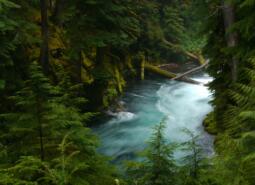
McKenzie River Area [COA ID: 114]
Geographic boundaries of the COAs were updated for the 2026 State Wildlife Action Plan and the associated COA profiles are intended to provide additional information. Content of each COA profile is being refined and will be updated to reflect current conditions when feasible. Please help us by submitting information on Local Conservation Actions, Plans, or …
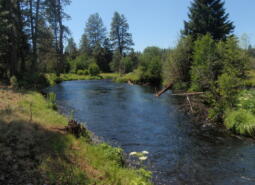
Metolius River Area [COA ID: 127]
Geographic boundaries of the COAs were updated for the 2026 State Wildlife Action Plan and the associated COA profiles are intended to provide additional information. Content of each COA profile is being refined and will be updated to reflect current conditions when feasible. Please help us by submitting information on Local Conservation Actions, Plans, or …
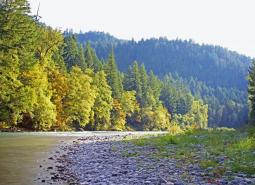
Middle Fork Willamette River [COA ID: 115]
Geographic boundaries of the COAs were updated for the 2026 State Wildlife Action Plan and the associated COA profiles are intended to provide additional information. Content of each COA profile is being refined and will be updated to reflect current conditions when feasible. Please help us by submitting information on Local Conservation Actions, Plans, or …
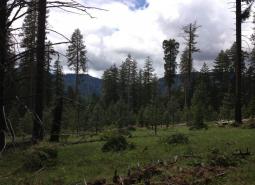
Middlefork Willamette River Headwaters [COA ID: 118]
Geographic boundaries of the COAs were updated for the 2026 State Wildlife Action Plan and the associated COA profiles are intended to provide additional information. Content of each COA profile is being refined and will be updated to reflect current conditions when feasible. Please help us by submitting information on Local Conservation Actions, Plans, or …

Molalla River [COA ID: 069]
Geographic boundaries of the COAs were updated for the 2026 State Wildlife Action Plan and the associated COA profiles are intended to provide additional information. Content of each COA profile is being refined and will be updated to reflect current conditions when feasible. Please help us by submitting information on Local Conservation Actions, Plans, or …
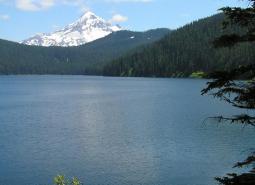
Mt Hood Area [COA ID: 107]
Geographic boundaries of the COAs were updated for the 2026 State Wildlife Action Plan and the associated COA profiles are intended to provide additional information. Content of each COA profile is being refined and will be updated to reflect current conditions when feasible. Please help us by submitting information on Local Conservation Actions, Plans, or …
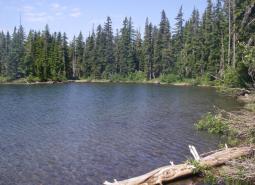
Mt Jefferson Wilderness, North [COA ID: 111]
Geographic boundaries of the COAs were updated for the 2026 State Wildlife Action Plan and the associated COA profiles are intended to provide additional information. Content of each COA profile is being refined and will be updated to reflect current conditions when feasible. Please help us by submitting information on Local Conservation Actions, Plans, or …
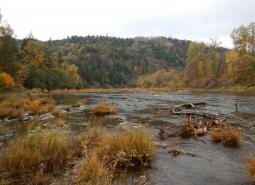
North Umpqua River Area [COA ID: 090]
Geographic boundaries of the COAs were updated for the 2026 State Wildlife Action Plan and the associated COA profiles are intended to provide additional information. Content of each COA profile is being refined and will be updated to reflect current conditions when feasible. Please help us by submitting information on Local Conservation Actions, Plans, or …
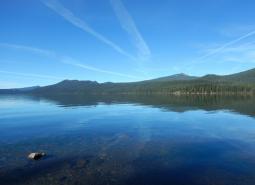
Odell Lake-Davis Lake [COA ID: 117]
Geographic boundaries of the COAs were updated for the 2026 State Wildlife Action Plan and the associated COA profiles are intended to provide additional information. Content of each COA profile is being refined and will be updated to reflect current conditions when feasible. Please help us by submitting information on Local Conservation Actions, Plans, or …
One Horse Slough-Beaver Creek [COA ID: 083]
Geographic boundaries of the COAs were updated for the 2026 State Wildlife Action Plan and the associated COA profiles are intended to provide additional information. Content of each COA profile is being refined and will be updated to reflect current conditions when feasible. Please help us by submitting information on Local Conservation Actions, Plans, or …
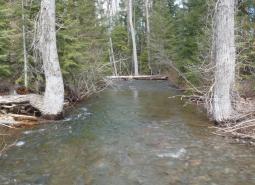
Pelican Butte-Sky Lakes Area [COA ID: 123]
Geographic boundaries of the COAs were updated for the 2026 State Wildlife Action Plan and the associated COA profiles are intended to provide additional information. Content of each COA profile is being refined and will be updated to reflect current conditions when feasible. Please help us by submitting information on Local Conservation Actions, Plans, or …
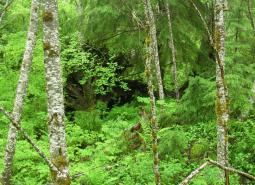
Quartzville Creek Area [COA ID: 112]
Geographic boundaries of the COAs were updated for the 2026 State Wildlife Action Plan and the associated COA profiles are intended to provide additional information. Content of each COA profile is being refined and will be updated to reflect current conditions when feasible. Please help us by submitting information on Local Conservation Actions, Plans, or …

Rock Creek [COA ID: 120]
Geographic boundaries of the COAs were updated for the 2026 State Wildlife Action Plan and the associated COA profiles are intended to provide additional information. Content of each COA profile is being refined and will be updated to reflect current conditions when feasible. Please help us by submitting information on Local Conservation Actions, Plans, or …
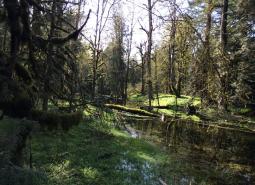
Santiam Confluences [COA ID: 078]
Geographic boundaries of the COAs were updated for the 2026 State Wildlife Action Plan and the associated COA profiles are intended to provide additional information. Content of each COA profile is being refined and will be updated to reflect current conditions when feasible. Please help us by submitting information on Local Conservation Actions, Plans, or …
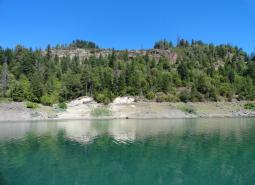
Shady Cove Foothills [COA ID: 098]
Geographic boundaries of the COAs were updated for the 2026 State Wildlife Action Plan and the associated COA profiles are intended to provide additional information. Content of each COA profile is being refined and will be updated to reflect current conditions when feasible. Please help us by submitting information on Local Conservation Actions, Plans, or …
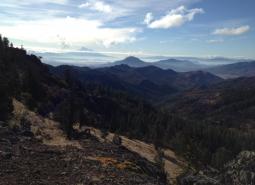
Soda Mountain Area [COA ID: 124]
Geographic boundaries of the COAs were updated for the 2026 State Wildlife Action Plan and the associated COA profiles are intended to provide additional information. Content of each COA profile is being refined and will be updated to reflect current conditions when feasible. Please help us by submitting information on Local Conservation Actions, Plans, or …
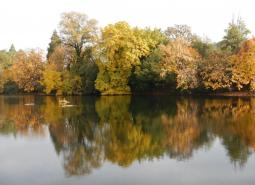
South Fork Umpqua River and Tributaries [COA ID: 091]
Geographic boundaries of the COAs were updated for the 2026 State Wildlife Action Plan and the associated COA profiles are intended to provide additional information. Content of each COA profile is being refined and will be updated to reflect current conditions when feasible. Please help us by submitting information on Local Conservation Actions, Plans, or …
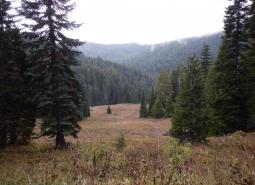
Umpqua Headwaters [COA ID: 119]
Geographic boundaries of the COAs were updated for the 2026 State Wildlife Action Plan and the associated COA profiles are intended to provide additional information. Content of each COA profile is being refined and will be updated to reflect current conditions when feasible. Please help us by submitting information on Local Conservation Actions, Plans, or …
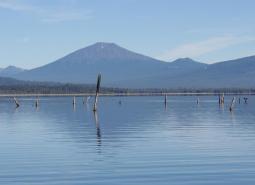
Upper Deschutes River [COA ID: 129]
Geographic boundaries of the COAs were updated for the 2026 State Wildlife Action Plan and the associated COA profiles are intended to provide additional information. Content of each COA profile is being refined and will be updated to reflect current conditions when feasible. Please help us by submitting information on Local Conservation Actions, Plans, or …
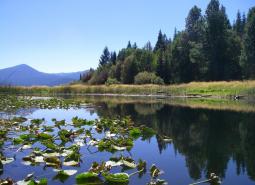
Upper Klamath Lake Area [COA ID: 138]
Geographic boundaries of the COAs were updated for the 2026 State Wildlife Action Plan and the associated COA profiles are intended to provide additional information. Content of each COA profile is being refined and will be updated to reflect current conditions when feasible. Please help us by submitting information on Local Conservation Actions, Plans, or …
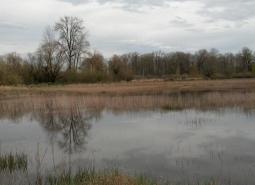
Upper Willamette River Floodplain [COA ID: 061]
Geographic boundaries of the COAs were updated for the 2026 State Wildlife Action Plan and the associated COA profiles are intended to provide additional information. Content of each COA profile is being refined and will be updated to reflect current conditions when feasible. Please help us by submitting information on Local Conservation Actions, Plans, or …
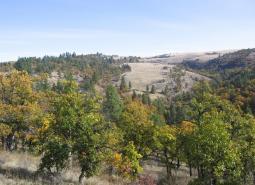
Wasco Oaks [COA ID: 125]
Geographic boundaries of the COAs were updated for the 2026 State Wildlife Action Plan and the associated COA profiles are intended to provide additional information. Content of each COA profile is being refined and will be updated to reflect current conditions when feasible. Please help us by submitting information on Local Conservation Actions, Plans, or …
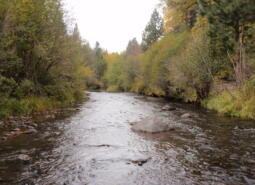
Whychus Creek [COA ID: 128]
Geographic boundaries of the COAs were updated for the 2026 State Wildlife Action Plan and the associated COA profiles are intended to provide additional information. Content of each COA profile is being refined and will be updated to reflect current conditions when feasible. Please help us by submitting information on Local Conservation Actions, Plans, or …