
Most Brant (Branta bernicla) occurring in Oregon are Black Brant (B. b. nigricans). They area small dark goose that has a black head, neck, and breast, a charcoal colored belly and back, and have a white striated collar (necklace) on the middle of the neck. Males weigh 1-1.8kg and are typically 10% heavier than females. Plumage is identical between the sexes. Brant can be found in Oregon during migration and overwinter here, and a few nonbreeding birds may occasionally summer in Oregon. They are typically restricted to estuaries along the coast or adjacent open ocean habitats.
Overview
- Species Common Name Brant
- Species Scientific Name Branta bernicla
- State Listing Status Sensitive
Ecoregions
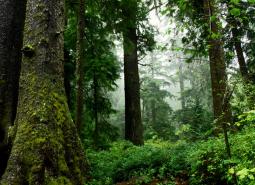
Coast Range
Oregon's Coast Range, known for its dramatic scenery, is extremely diverse, with habitats ranging from open sandy dunes to lush forests and from tidepools to headwater streams. It follows the coastline and extends east through coastal forest to the border of the Willamette Valley and Klamath Mountains ecoregions
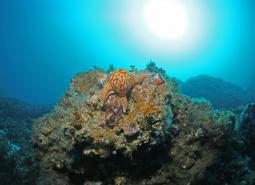
Nearshore
The Nearshore ecoregion includes a variety of habitats ranging from submerged high-relief rocky reefs to broad expanses of intertidal mudflats in estuaries and hosts a vast array of fish, invertebrates, marine mammals, birds, plants, and micro-organisms. This ecoregion encompasses the area from the outer boundary of Oregon's Territorial Sea to the supra-tidal zone, and up into the estuaries.