BACKGROUND
Pollution comes in many forms, threatening fish, wildlife, habitats, and human health. Pollutants can impact soil and water quality, degrade habitat, cause physiological and behavioral impacts to fish and wildlife, increase susceptibility to disease, cause injury or mortality, and in severe cases, can make habitat unsuitable for fish and wildlife and unsafe for people.
Pollutants originate from many places — sewage, wastewater and stormwater, industrial products, mining activities, oil spills, some agriculture and forestry activities, garbage and solid waste, emissions from fossil fuel combustion, and noise, light, and other human activities. As a result of the diversity of impacts and the often-broad spatial scales at which they occur, pollution directly or indirectly affects nearly all of Oregon’s fish and wildlife species. The impacts of some pollutants on fish and wildlife, such as microplastics, nanoplastics, and pharmaceuticals, have not been well-studied. Research is needed to better understand the ways they interact with natural systems.
While improvement to wastewater treatment facilities, reduction in the use of broad-spectrum pesticides, and other environmental regulations have reduced certain contaminants, pollutant sources and quantities will likely increase as Oregon’s human population continues to grow and industries expand. Due to the widespread impacts on fish, wildlife, and their habitats, managing pollution is necessary to sustain healthy and productive ecosystems.
TYPES OF POLLUTION
Water-borne Sewage and Urban Wastewater
CMP Direct Threats 9.1
Wastewater
If not properly managed, wastewater discharge can introduce a wide variety of pollutants into aquatic systems. Discharge from septic systems, industry, and wastewater treatment facilities can carry toxic chemicals, heavy metals, sediments, pharmaceuticals, nutrients, bacteria, petroleum products, and sewage overflow into wetlands, lakes, rivers, estuaries, and nearshore environments. Contaminants present in water can impair development, fertility, and reproductive function in aquatic and terrestrial species, including humans. Contamination from wastewater has also been linked to declines in aquatic species diversity, richness and abundance, and survival. Additionally, nutrient pollution from municipal wastewater is one of the primary drivers of harmful algal blooms.
Stormwater
Stormwater runoff from impervious surfaces, such as roads and parking lots, accumulates petroleum products, metals, microplastics and nanoplastics, road salt and deicing chemicals, tire-associated compounds, and other contaminants. Introduction of these pollutants into natural systems can have a variety of negative impacts. Heavy metals introduced to natural waters display high toxicity and accumulate in food webs, leading to direct and indirect mortality of fish and wildlife. Certain compounds used to make tires more durable are acutely toxic to some fish species, and stormwater runoff containing tire particles can expose fish to 6PPD-quinone, which is lethal for coho salmon and steelhead. 6PPD-quinone may also have negative impacts on other aquatic species, including amphibians, turtles, and aquatic invertebrates, but existing research is limited, and additional study is needed to evaluate potential toxicity for these taxa. Excessive nutrient loads from introduction of nitrogen and phosphorus in runoff can change plant composition in wetland communities and increase the prevalence of algal blooms, which can kill or displace fish and invertebrates.
Industrial Pollution
CMP Direct Threats 9.2
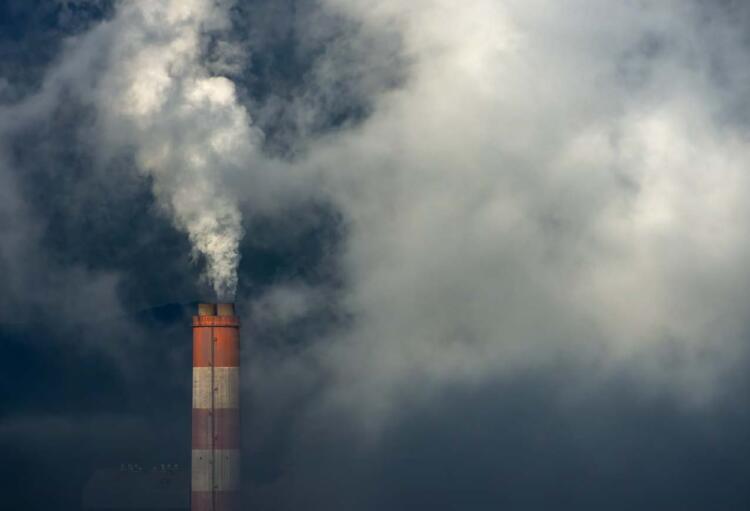
Industrial activities can introduce pollutants into the atmosphere and aquatic systems as byproducts of production processes, fossil fuel combustion, or waste management practices.
Persistent Organic Pollutants
Industrial pollutants can include persistent organic contaminants, such as dioxins, polychlorinated biphenyls (PCBs), hexachlorobenzene (HCB), polycyclic aromatic hydrocarbons (PAHs), plastics, per-and polyfluoroalkyl substances (PFAS), and flame retardants and firefighting water additives, among others. Organic compounds may be transported widely by atmospheric and ocean currents, and deposits can accumulate and persist in sediments, causing far-reaching impacts. Many of these substances are toxic and accumulate in human and animal tissues. Bioaccumulation of pollutants, wherein substances build up in an organism’s tissues over time, can pose risks to species, including humans, that consume polluted substances. These effects are frequently amplified across food webs, and over time, high levels of accumulated pollutants may result in severe toxicity and death.
Even at low levels, persistent organic pollutants stored in fat tissue may be released during periods when wildlife rely on fat stores, such as during migration, egg laying, or lactation, increasing risk of mortality during these sensitive times of the year. Persistent organic pollutants may also be transferred from mother to offspring in-utero. Fish consumption advisories for pollutants such as PCBs, dioxins, and other pesticides have been issued for many waterbodies across Oregon. In some cases, state health officials have recommended limiting the consumption of resident fish species due to elevated levels of these contaminants.
Impacts from Mining Activities
In addition to persistent organic contaminants, industrial activities can introduce toxic heavy metals into natural systems. Mineral extraction or processing can have long-term negative effects on mine lands and surrounding ecosystems, including bioaccumulation of heavy metals, increases in species’ susceptibility to disease, reductions in population sizes, reproductive impacts, and can even result in mass mortality for aquatic species along entire stream reaches.
There are four main types of water quality impacts from mining activities: acid mine drainage, heavy metal contamination and leaching, chemical pollution from metal processing, and erosion and sedimentation. Acid mine drainage occurs when sulfide minerals are excavated, and the large quantities of exposed rock react with water and oxygen to form sulfuric acid. The acid is deposited into nearby waterbodies through stormwater runoff and may cause degradation of water quality and impacts to aquatic life. Water contaminated by acid mine drainage may be toxic to aquatic organisms including fish, such as chinook and chum salmon, aquatic wildlife, and invertebrates. Other impacts include heavy metal pollution, which occurs when metals in excavated rock are exposed to water and are leached out into downstream systems, and chemical processing pollution, which occurs when chemicals such as cyanide and sulfuric acid that are used to process mined metals spill or leach into nearby waterbodies and groundwater. Since mining activities disturb large amounts of rock and soil, substantial amounts of sediment can be carried into freshwater systems and may bury spawning gravels, disturb or destroy eggs, and smother aquatic organisms and vegetation. Pollutants from mining activities can have substantial negative impacts on aquatic wildlife, including reduced growth rates, hatching failures of fish and amphibian eggs, impacts to breathing, behavior, and reproduction, and increased rates of mortality.
Oil Spills
Sources of oil spills may include pipeline, rail, truck, or ship accidents, unintended spillage from the cleaning of oil tanks, and runoff from urban areas and roadways. The effects of oil spills may be localized or extensive, depending on the source of contamination. Wildlife can be directly poisoned if oil is ingested, or animals may be inhibited by oil coating fur or feathers. Oil can cause significant mortality to fish and aquatic invertebrates, especially to the eggs and larvae of many species and to organisms that are fixed in one location, such as oysters. Habitats may remain impaired long after an initial oil spill response because oil can persist for long periods of time in the environment.

The water-soluble components of various types of crude oils and refined petroleum products contain compounds that are toxic to many types of plants and animals. Animals can suffer from skin irritation and chemical burns, respiratory issues, and neurological problems due to oil spills. Feathers of birds exposed to oil lose their ability to insulate, repel water, and aid in buoyancy, which can lead to death. Marine birds that feed intertidally in sandy beach habitat or in the surf-zone are especially vulnerable to oiling. Bird species may also ingest oil, either directly or by consuming oiled prey, which may lead to poisoning or death. In addition, large amounts of stranded oil may smother and kill fish, wildlife, and invertebrates.
While many of Oregon’s habitats may be impacted by oil spills, aquatic habitats are particularly vulnerable. In marine systems, water-soluble fractions of crude oil and refined petroleum products can cause immediate toxic effects on all life stages of marine organisms. Floating oil is more likely to impact plants and animals on the water’s surface than those residing deeper in the water column. Plankton occurring in the top layers of the water column are exposed to the highest concentrations of these compounds, which can result in direct and indirect effects to plankton and the host of species that are dependent on the quantity and quality of phytoplankton primary productivity. Alterations to phytoplankton productivity appear to only last for short periods of time but can have significant effects on oceanic species. Kelp beds are similarly vulnerable to exposure to crude oil and refined petroleum products.
In inland systems, lakes, rivers, and wetlands may also be impacted by oil spills. Freshwater oil spills are more frequent, particularly in or adjacent to urban areas, and are often more destructive to local environments than marine spills. Habitats with standing water, such as wetlands, are likely to experience more severe impacts from oil spills as oil pools in the water and can persist for long periods of time. Spilled oil is toxic to freshwater organisms, including mammals, amphibians, reptiles, birds, fish, insects, microorganisms, and vegetation. Oil may coat vegetation in wetlands or cling to bankside vegetation along lakes and rivers. Oil can also accumulate in sediments, with significant negative impacts to many worms, insects, and shellfish, as well as species that live in or feed off of sediments.
Agricultural and Forestry Pollution
CMP Direct Threats 9.3
Agricultural and forestry activities are critical for food and materials production, but certain agricultural and forestry practices can have detrimental effects on natural systems, including application of fertilizers and pesticides and poor sediment management.
Agricultural runoff is the leading cause of water quality impacts to rivers and streams, the second largest source of impacts to wetlands, and the third leading source for lakes. Fertilizers applied to farmlands that are not taken up by crops ultimately wash into water bodies or wetlands. Fertilizers entering aquatic systems contribute surplus nutrients, particularly nitrogen and phosphorus, that can change plant composition in wetland communities and can cause harmful algal blooms, reducing dissolved oxygen concentrations enough to kill or displace fish and invertebrates. Nutrients and bacteria in livestock manure have similar effects.
Pesticides applied during agricultural production, in the form of insecticides, herbicides, and rodenticides, have also been found to have significant negative effects. Broad-spectrum chemical herbicides applied to forests to control vegetation regeneration following timber harvest or applied to agricultural lands to control outbreaks of unwanted plant species can impact wildlife habitat and forage availability and can significantly reduce populations of arthropods that serve as prey for a diversity of birds, small mammals, reptiles, and amphibians.
While many of the more dangerous broad-spectrum insecticides are no longer in widespread use, new classes of insecticides have been documented to have significant direct and indirect impacts to non-target species. Neonicotinoids are a newer class of synthetic broad-spectrum insecticide, typically applied to seeds before planting or directly to the soil to prevent insect damage to growing plants. Neonicotinoids are now the most widely used class of insecticide in the United States.
It is difficult, however, to limit the impacts of these insecticides to just target species. Neonicotinoids have been implicated in declines in numerous pollinator species, including native bees and butterflies. Their widespread use and environmental persistence have led to contamination of aquatic systems, including wetlands, streams, and rivers. Use of neonicotinoids has also been correlated with impacts to vertebrate populations, with links to several widespread population declines in bird species.
In addition to insecticides, many agricultural operations rely on application of rodenticides to limit foraging activities of rodents on growing plants or on grain stores. In particular, anticoagulant rodenticides have been found to have widespread deleterious effects on both target and non-target species. These rodenticides are used to kill mice, rats, and other rodents by preventing blood clotting. However, the mechanism of action for these rodenticides is not immediate, meaning that rodents may be preyed upon by other species prior to succumbing to the effects of the poison, or scavenged after a lethal dose has taken effect. As a result, these compounds have been implicated in the deaths of raptors, fisher, bobcats, foxes, coyotes, and a variety of other non-target species through secondary exposure after ingesting poisoned rodents.
Agricultural activities that disturb soils, such as tillage, alongside certain timber harvesting activities, contribute to soil erosion and runoff of sediments into aquatic systems. Excess sediment can impact water quality, alter hydrology, increase turbidity of waters, bury cobble and gravel substrates critical to fish spawning and populations of in-stream insects, reduce hatching success of aquatic eggs, and limit plant growth, significantly altering community composition. Most detrimental effects of timber harvest on soils are related to the development and use of roads and the movement of vehicles and machinery, which can disturb the soil surface. While forestry-related stream sediment input is highly regulated in Oregon, it is critical that ongoing forestry practices prevent chronic sediment delivery and avoid direct stream channel disturbance.
Garbage and Solid Waste
CMP Direct Threats 9.4
Litter, food waste, discarded or lost hunting and fishing gear, and other solid waste left behind contaminate the natural environment and can directly and indirectly injure or kill wildlife.
Food Waste
Food waste on the landscape can serve as an attractant for animals and can have significant impacts on wildlife behavior and populations. Unsecured food in landfills and waste receptacles, littered food in urban or recreational areas, and pet food left outdoors become an attractive and easy food resource for many species. For some species, such as opportunistic scavengers like corvids and gulls, access to food waste may drastically inflate population sizes. These larger populations may then become pests and threaten other wildlife by predating on the eggs and young of nesting birds, small mammals, reptiles, and other species. Wildlife that learn to depend on human food waste may also become habituated, losing their fear of humans and increasing the risk of human-wildlife conflicts. Habituation can also increase the risk of disease transmission due to contact with pets and other wildlife. Encounters with habituated animals may be dangerous and require intervention from wildlife managers or law enforcement. For example, bears habituated to consuming trash from poorly contained waste receptacles, food left outside for pets, or refuse left around campsites may be lethally removed to protect human safety.
Plastics
Plastics, in their various forms, have become ubiquitous, polluting marine, freshwater, and terrestrial systems. Plastic debris can entangle fish and wildlife, causing injury or mortality, and ingested plastics can cause gut obstructions. Plastics also contain organic contaminants, including PCBs, bisphenol A (BPA), and polybrominated diphenyl ethers (PBDEs) that can be harmful when ingested and can leach into groundwater and/or surface waters. Fish and wildlife exposed to these contaminants suffer numerous negative effects, including disrupted immune function, disruption of hormone systems, impacts to reproduction, liver and kidney toxicity, and neurotoxicity. Micro- and nanoplastics, created as plastic litter breaks down over time or shed into the environment from abrasion and wear on products such as synthetic textiles and car tires, have a range of negative impacts on fish and wildlife health. Micro- and nanoplastics are small enough to cause damage to tissues, organs, and even the cells of fish and wildlife. Some studies have shown stomach lining damage, cell rupture, and multiorgan failure due to microplastic ingestion. Ingested micro- and nanoplastics can result in reduced immune system function and fertility across diverse fish and wildlife species. Micro- and nanoplastics can accumulate in tissues over time, with impacts that are magnified at higher trophic levels as predators ingest contaminated prey.
Marine Debris
Marine debris, including derelict fishing gear and plastic, metal, glass, rubber, and other litter, can pose a direct threat to marine life. Lost or abandoned fishing gear, including fishing nets, hooks and lines, crab pots, and other gear, may entangle, capture, and/or kill marine life. This phenomenon is known as “ghost fishing” and affects both harvested and non-harvested species, which can suffer from entanglement or entrapment, leading to injury or starvation. Ingestion of discarded fishing tackle can also result in severe health consequences for a variety of species. Lost, abandoned, or discarded fishing gear makes up 50-100 percent of plastic debris found in parts of the ocean. Ingestion of plastic litter is a significant issue for many marine species including fish, seabirds, marine mammals, and sea turtles. The impacts of this debris are significant, causing starvation due to gut obstruction, reduced species fitness, toxicity caused by absorption of toxins from ingested material, and increased mortality.
Lead
Lead continues to be used in both hunting and fishing, including lead ammunition and lead sinkers, and can be inadvertently left behind in the ecosystem. Wildlife can directly consume lead-contaminated material, either through eating remains of animals shot with lead ammunition or direct ingestion of shotgun pellets or split shot fishing sinkers as food or grit. Lead poisoning poses a serious threat to wildlife: there is no safe level of lead. When wildlife ingest lead, it invades the bloodstream where it interferes with a variety of physiological processes. Lead accumulates in bone tissue, and acute or chronic exposure can result in lethargy, muscle wasting, organ failure, and ultimately, death.
Illegal Dumping
Illegal dumping, which describes the disposal of materials in locations other than permitted facilities, can pollute local waterways and groundwater, impact human health, and damage fish, wildlife, and marine populations and the environment. Common materials in illegal dumps include tires, construction debris, old appliances, or other household or commercial wastes. Unlike regulated, permitted facilities, which work to protect the surrounding area from contaminants, illegal dump sites do not have systems in place to manage pollutants.
Air Pollution
CMP Direct Threats 9.5
Wildlife and their habitats are vulnerable to adverse impacts from air-borne pollutants, which can be either natural or anthropogenic in origin, including smoke from forest fires, wind dispersion of pollutants from farm fields and industrial manufacturers, smog from vehicle emissions, and others. Atmospheric pollutants come from both point and nonpoint sources and can impact habitats and ecosystems far from the source of emission. Air pollution can also affect animals differently depending on the way an animal obtains oxygen (through lungs, gills, or diffusion across the skin surface).
Impacts of airborne pollutants to wildlife populations are varied, including disruption of endocrine function, increased vulnerability to stresses and disease, decreased reproduction, or even mortality. Air pollutants can cause significant damage to food webs. Many pollutants are processed and stored in animal tissues and may accumulate over time. Mercury, for example, can become airborne through combustion of fossil fuels, and once methylated is readily taken up by organisms and biomagnified at higher trophic levels. This can cause neurological impairment in wildlife and lead to behavioral, reproductive, or physiological impacts. Air pollutants also have significant impacts on insects, reducing pollinator foraging efficiency, decreasing populations of insects that live within and on the surface of soils, and, in some cases, increasing populations of insects that cause damage to crops, conifers, and other vegetation.
Additionally, air pollutants can enter the water cycle. Acid rain is the direct result of the emission of sulfur dioxide and nitrogen oxides into the air, primarily from the burning of fossil fuels. These chemical compounds can then be transported through wind and air currents, mix with water and other materials in the atmosphere, and fall to the ground as acid rain or in dry deposits. Acid rain can change the chemistry and quality of soils and water. In freshwater and marine systems, this can result in waterbodies that are too acidic for some animals to survive or perform basic functions. The increased acidity may also increase the release of heavy metals from soil into aquatic environments, which may further increase toxicity to aquatic animals.
Noise and Light Pollution
CMP Direct Threats 9.6
Human activity is increasingly responsible for inputs of excess energy into the environment. These inputs can take the form of light and sound, both of which have documented impacts to wildlife and their habitats.
Light Pollution

Light pollution, the brightening of the sky from anthropogenic sources, is the result of unnatural or inappropriate lighting and can dramatically change the nighttime environment. Artificial lighting at night has increased substantially in both urban and rural areas. Outdoor lighting from streetlights, parking lot lighting, vehicle headlights, lights on ships at sea, and lighting associated with housing and buildings has become pervasive. This light pollution has significant, adverse effects on many species, particularly nocturnal invertebrates.
Wildlife depend on the natural cycle of light and dark, and alterations to natural light cycles can disturb flight, impair navigation and vision, disrupt migration, mating, and feeding, and increase susceptibility to predation. Impacts to wildlife are varied: sources of light can both attract and repel organisms, concentrating animals in inappropriate locations or rendering habitat unsuitable for use.
Many species are directly impacted by the presence of artificial lights. Migratory birds often rely on naturally occurring light sources, including the moon and stars, to navigate the night sky. Artificial lights can cause disorientation, attracting birds away from their migratory pathways, leading to excess energy expenditure and, at times, mortality from collisions with illuminated structures such as communication towers and lighthouses. On the coast, light pollution is of particular concern for young seabirds, including petrels and shearwaters, which may be attracted to anthropogenic sources of light on land as they attempt to take their first flights to sea. These species are often incapable of becoming airborne again if they become grounded on land, where they become vulnerable to predation or starvation. Unnatural light sources can cause diurnal songbirds to vocalize at inappropriate times or change breeding timing. Artificial lights also alter behavior of amphibian species, including impacts to the calling patterns of frog and toad species. Some frogs gather at lights where entrapped insects provide a concentrated food source, making them more susceptible to predation.
Darkness is a renewable resource, and where feasible, turning off lights and retrofitting existing lights to reduce impacts to wildlife can mitigate harm. Oregon is home to a landscape-level International Dark Sky Sanctuary, the Oregon Outback Dark Sky Sanctuary, which protects over 11.4 million acres of dark skies. Further efforts to limit impacts of light to wildlife can enhance the quality of the nighttime environment for all species.
Noise Pollution
Noise pollution is any unwanted, excessive, or disturbing sound and has wide ranging effects on fish and wildlife populations. Noise generated from industrial activities, resource extraction, transportation, urban areas, and recreation can alter the behavior of terrestrial, freshwater, and marine wildlife, particularly animals that communicate with vocalizations, such as birds and whales.
In nearshore and estuarine environments, noise caused by vessel operations, sonar, offshore energy development or production, dredging, construction, and seismic studies may disturb marine mammal and fish populations. Acoustic disturbances may stress, displace, or even damage individuals in the affected area. Marine mammals rely heavily on sound to communicate, navigate, and forage. Recent studies have found that noise from shipping, fishing, and other ocean vessels impair foraging efficiency and success in marine mammals. Numerous studies have demonstrated additional behavioral changes of marine mammals in response to exposure to noise from anthropogenic activities. These responses have ranged from subtle, short-term behavioral changes to longer-term population level impacts.
Noise can affect fish behavior, communication and, in extreme cases, cause direct tissue damage resulting in immediate or delayed mortality. Behavioral avoidance of noise can alter fish migration and schooling which can impact foraging, predator avoidance, or reproductive success.
Noise pollution also has significant impacts in terrestrial environments. Direct effects of noise to wildlife include changes in population size and decreased species diversity, decreased fecundity, altered physiology and stress response, inhibited cognitive performance, and even increased mortality. Noise can also lead to behavioral disturbance and altered habitat use patterns. For example, noise has been documented to reduce the foraging efficiency of some species and alter the singing behavior of birds. Various human recreation activities are associated with different levels of noise and may elicit strong avoidance responses from wildlife. Noise from off-highway vehicle use may reach levels that cause hearing loss in animals, interfere with their ability to detect predators, and disrupt life-history patterns
OREGON’S EXISTING FRAMEWORK FOR POLLUTION MANAGEMENT
Legislative and regulatory policies, strategies, and actions are necessary to prevent, reduce, and mitigate pollution and pollution impacts. Due to the wide diversity of pollution impacts and the range of spatial scales at which they occur, management and remediation are needed at local, state, national, and international levels. A number of existing frameworks guide pollution management in Oregon, including both federal- and state-level policies. While policies are in place to prevent, reduce, and mitigate impacts from many pollutants, including fossil fuel emissions, oil, and industrial pollutants, other pollution sources, such as sedimentation from agricultural or timber harvest operations, lead ammunition, noise, and light are not well regulated.
Federal Regulations
Clean Water Act (CWA) – The Clean Water Act was passed in 1972 and established the basic structure for regulating discharges of pollutants into waters of the United States and for regulating quality standards.
Federal Insecticide, Fungicide, and Rodenticide Act (FIFRA) – The Federal Insecticide, Fungicide, and Rodenticide Act, passed in 1996, is the federal statute that governs the registration, distribution, sale, and use of pesticides in the United States.
Comprehensive Environmental Response, Compensation, and Liability Act (CERCLA) – CERCLA, also known as Superfund, was enacted in 1980, and placed a tax on certain businesses in industries engaged in work with hazardous materials. The purpose of the tax was to provide funding to clean up any hazardous materials disposal sites if those businesses no longer existed.
Endangered Species Act (ESA) – The ESA, enacted in 1973, states that it is “the policy of Congress that all Federal departments and agencies shall seek to conserve endangered species and threatened species.”
National Environmental Policy Act (NEPA) – NEPA, signed into law in 1970, is a federal regulation that requires federal agencies to consider environmental impacts before making decisions.
Oil Pollution Act of 1990 (OPA) – The OPA amended the Clean Water Act in 1990 to address the wide range of problems associated with preventing, responding to, and paying for oil pollution incidents in navigable waters of the United States.
Resource Conservation and Recovery Act (RCRA) – RCRA, enacted in 1976, is a federal law that regulates the disposal of solid and hazardous waste.
Pollution Prevention Act of 1990 (PPA) – PPA is a policy, implemented by the EPA, that focuses on prevention and reduction of pollution through cost-effective changes in production, operation, and raw materials use.
State Regulations
Oregon Environmental Protection Act – The Oregon Environmental Protection Act is a law that directs state agencies to ensure that environmental standards under the Clean Air and Clean Water Acts in place prior to Jan. 20, 2017, remain in effect and are enforceable under state law, maintaining stricter standards of protection. This law ensures that any federal rollbacks of environmental protection do not lessen the level of protection in Oregon.
Oregon Agricultural Water Quality Management Act – The Oregon Agricultural Water Quality Management Act was passed in 1993 and is the foundation of the Oregon Department of Agriculture’s (ODA) Agricultural Water Quality Management Program. The Act directed ODA to assist the industry in preventing and controlling pollution from agricultural sources.
Oregon Toxics Use and Hazardous Waste Reduction Act – The Oregon Toxics Use and Hazardous Waste Reduction Act was passed in 1989 and updated in 2005. It was one of the first laws in the nation to mandate pollution prevention planning.
Oregon Toxic-Free Kids Act – The Oregon Toxic-Free Kids Act was passed in 2015 and expanded in 2023. The goal of the act is to reduce exposure to toxic chemicals from products marketed for children.
GOALS AND ACTIONS
Goal 1. Determine the vulnerability of species and habitats to various types of pollutants at a landscape scale.
Pollution, in its many forms, can impact fish, wildlife, and their habitats at local, landscape, and global scales. Research on pollutants and their interactions with fish, wildlife, and their habitats is rapidly evolving. The complex impacts of pollution on ecosystems will need to be continually addressed as new materials and pollutants are developed or discovered, and as advancement of scientific techniques allow biologists to detect impacts of known pollutants to fish and wildlife at lower thresholds.
Action 1.1. Work with partners to increase information on vulnerability of habitats and species to pollution.
Collect and share data on the vulnerability of species and habitats to various pollutants, as well as the direct and indirect impacts of pollutants on species, to inform effective management and mitigation. For some taxonomic groups, a great deal of information is available. For other taxonomic groups, particularly amphibians, reptiles, and invertebrates, data to help inform conservation action is limited. Collaborate between state and federal agencies, tribes, non-profit organizations, and academic institutions to facilitate research to enhance the understanding of pollution impacts and to prioritize and implement conservation actions.
Action 1.2. Support long-term research on pollution trends and ecosystem responses.
Fund and facilitate long-term studies to help track pollution levels over time and assess cumulative impacts on ecosystems. Engage in continued research as novel pollutants arise or as technology advances so that effects of known contaminants can be better measured. Share data and research findings among a diversity of stakeholders, including government agencies, universities, tribes, non-profits, and community organizations. Long-term, ongoing research will provide critical insights into how various pollutants affect biodiversity and ecosystem health, enabling adaptive management strategies that respond to emerging threats and helping to inform policy decisions.
Action 1.3. Develop and implement monitoring and evaluation techniques for Species of Greatest Conservation Need and Key Habitats.
Because of the complexity of impacts and the many types of new and emerging potential contaminants, the effects of pollutants on many species are largely unknown. Even for pollutants that have been circulating for decades, effects on species are often not well understood or described. To make the most efficient use of available funding, coordinate monitoring and share results among relevant agencies, tribes, and organizations. Standardize monitoring protocols to allow for consistent evaluation of the health of vulnerable species and habitats. Ensure that monitoring and evaluation techniques establish baseline data, engage in regular assessments, and utilize adaptive management practices. By continuously evaluating the effectiveness of pollution mitigation strategies, approaches can be adjusted based on real-time data.
Goal 2: Identify, prioritize, and implement conservation strategies to avoid, reduce, and mitigate the negative impacts of pollution on fish, wildlife, and habitats.
To facilitate effective conservation, it is important to leverage existing information and resources and encourage collaboration among all organizations engaged in pollution mitigation. This will help ensure that impacts to fish, wildlife, and their habitats are assessed and considered when developing pollution management strategies and policies, and when developing and executing conservation strategies aimed at reducing pollution effects on aquatic and terrestrial ecosystems.
Action 2.1. Incorporate currently available information into management plans for species and habitats.
The understanding of the varied impacts of contaminants on fish, wildlife, and their habitats is imperfect and constantly changing as new pollutants emerge and as research techniques advance. However, uncertainties in the understanding of pollutant impacts to specific species or ecosystem processes should not prevent active management and mitigation. Instead, leverage the best available information to integrate data and findings into existing management plans. Regularly review and update management plans to include information on pollution impacts, ensuring that conservation strategies are evidence-based and responsive to current challenges.
Action 2.2. Incorporate currently available information into guidance for best practices for land use change review.
Where feasible, update policies and guidelines that relate to land use change to reflect the latest research on pollution impacts to fish, wildlife, and ecosystems. Provide land managers, rightsholders, and other interested parties with best practices that integrate pollution management into decision making processes to encourage the best outcome for fish, wildlife, and habitats.
Action 2.3. Develop regional and local partnerships to coordinate responses to pollution across political, cultural, and jurisdictional boundaries.
Pollution and the impacts of contaminants on species and ecosystems do not follow geopolitical boundaries, which greatly increases the importance of working both within and outside of traditional boundaries to more effectively manage and mitigate pollutants. Establish collaborative partnerships among various agencies, tribes, community organizations, nonprofits, and other groups. Foster coordinated approaches to addressing the multifaceted challenges posed by pollution. This action emphasizes the importance of sharing data, resources, knowledge, and strategies across different regions and jurisdictions, ensuring a more unified and effective response to environmental issues that affect fish, wildlife, and habitats.
ADDITIONAL RESOURCES
DEQ File a Pollution Complaint: https://www.oregon.gov/deq/get-involved/pages/file-pollution-complaint.aspx
Rodenticide alternatives: https://www.audubon.org/magazine/january-february-2013/poisons-used-kill-rodents-have-safer
North American Non-Lead Partnership: https://nonleadpartnership.org/
EPA Toolbox for Ecological Risk Assessment
National Wildlife Research Center Chemical Effects Database: https://www.aphis.usda.gov/national-wildlife-programs/nwrc/chemical-effects-database
REFERENCES
Affandi, F.A. and Ishak, M.Y., 2019. Impacts of suspended sediment and metal pollution from mining activities on riverine fish populations—a review. Environmental Science and Pollution Research, 26, pp.16939-16951.
Apete, L., Martin, O.V. and Iacovidou, E., 2024. Fishing plastic waste: Knowns and known unknowns. Marine Pollution Bulletin, 205, p.116530.
Bhat, S. U., and Qayoom, U., 2022. Implications of Sewage Discharge on Freshwater Ecosystems. Sewage-Recent Advances, New Perspectives and Applications; Zhang, T., Ed.
Brinkmann, M., Montgomery, D., Selinger, S., Miller, J.G., Stock, E., Alcaraz, A.J., Challis, J.K., Weber, L., Janz, D., Hecker, M. and Wiseman, S., 2022. Acute toxicity of the tire rubber-derived chemical 6PPD-quinone to four fishes of commercial, cultural, and ecological importance. Environmental Science & Technology Letters, 9(4), pp.333-338.
Bunkley, J.P. and Barber, J.R., 2015. Noise reduces foraging efficiency in pallid bats (Antrozous pallidus). Ethology, 121(11), pp.1116-1121.
Buchanan, B.W., 2006. Observed and potential effects of artificial night lighting on anuran amphibians. Ecological consequences of artificial night lighting, pp.192-220.
Burt, C.S., Kelly, J.F., Trankina, G.E., Silva, C.L., Khalighifar, A., Jenkins-Smith, H.C., Fox, A.S., Fristrup, K.M. and Horton, K.G., 2023. The effects of light pollution on migratory animal behavior. Trends in Ecology & Evolution, 38(4), pp.355-368.
Carpenter, S.R., N.F. Caraco, D.L. Correll, R.W. Howarth, A.N. Sharpley and V.H. Smith. 1998. Nonpoint pollution of surface waters with phosphorous and nitrogen. Ecological Applications 8:559- 568
Cresswell, J. 2014. On the natural history of neonicotinoids and bees. Functional Ecology 28:1311-1312.
Daley, J.M., Paterson, G. and Drouillard, K.G., 2014. Bioamplification as a bioaccumulation mechanism for persistent organic pollutants (POPs) in wildlife. Reviews of Environmental Contamination and Toxicology, Volume 227, pp.107-155.
de Jersey, A.M., Lavers, J.L., Bond, A.L., Wilson, R., Zosky, G.R. and Rivers-Auty, J., 2025. Seabirds in crisis: Plastic ingestion induces proteomic signatures of multiorgan failure and neurodegeneration. Science Advances, 11(11), p.eads0834.
Eisler, R., 1988. Lead hazards to fish, wildlife, and invertebrates: a synoptic review (No. 14). US Fish and Wildlife Service, Patuxent Wildlife Research Center.
Elliott, J.E., Silverthorn, V., English, S.G., Mineau, P., Hindmarch, S., Thomas, P.J., Lee, S., Bowes, V., Redford, T., Maisonneuve, F. and Okoniewski, J., 2024. Anticoagulant rodenticide toxicity in terrestrial raptors: tools to estimate the impact on populations in North America and globally. Environmental Toxicology and Chemistry, 43(5), pp.988-998.
Feng, L., Wang, Y., Hou, X., Qin, B., Kuster, T., Qu, F., Chen, N., Paerl, H.W. and Zheng, C., 2024. Harmful algal blooms in inland waters. Nature Reviews Earth & Environment, 5(9), pp.631-644.
Frank, K.D. 1988. Impact of outdoor lighting on moths: an assessment. Journal of the Lepidopterists’ Society. 42:63-93.
Gall, S.C. and Thompson, R.C., 2015. The impact of debris on marine life. Marine pollution bulletin, 92(1-2), pp.170-179.
Gibbons, D., Morrissey, C., and Mineau, P. 2015. A review of the direct and indirect effects of neonicotinoids and fipronil on vertebrate wildlife. Environmental Science and Pollution Research 22:103-118.
Gonsioroski A, Mourikes VE, Flaws JA. Endocrine Disruptors in Water and Their Effects on the Reproductive System. Int J Mol Sci. 2020 Mar 12;21(6):1929.
Grajal-Puche, A., Driver, E.M. and Propper, C.R., 2024. Abandoned mines as a resource or liability for wildlife. Science of The Total Environment, p.171017.
Hallman, C.A., R.P.B. Foppen, C.A.M. van Turnhout, H. de Kroon, and E. Jongejans. 2014. Declines in insectivorous birds are associated with high neonicotinoid concentrations. Nature. doi: 10.1038/nature13531
Hatfield, R., Jepsen, S., Mader, E., Black, S. H., & Shepherd, M. 2012. Conserving Bumble Bees. Guide-lines for Creating and Managing Habitat for America’s Declining Pollinators. The Xerces Society for Invertebrate Conservation, USA. 32pp.
Jepsen, S., D. F. Schweitzer, B. Young, N. Sears, M. Ormes, and S. H. Black. 2015. Conservation Status and Ecology of Monarchs in the United States. NatureServe, Arlington, Virginia and the Xerces Society for Invertebrate Conservation, Portland Oregon. 36pp
Jones, J. and Francis, C.M., 2003. The effects of light characteristics on avian mortality at lighthouses. Journal of Avian Biology, 34(4), pp.328-333.
Keating, M.P., Saldo, E.A., Frair, J.L., Cunningham, S.A., Mateo, R. and Jachowski, D.S., 2024. Global review of anticoagulant rodenticide exposure in wild mammalian carnivores. Animal conservation, 27(5), pp.585-599.
Kühn, S. and Van Franeker, J.A., 2020. Quantitative overview of marine debris ingested by marine megafauna. Marine pollution bulletin, 151, p.110858.
Klem, D., Jr. 1989. Bird-window collisions. Wilson Bulletin 101: 606-620.
Kok, Annebelle C.M., Berkhout Boris W., Carlson Nora V., Evans Neil P., Khan Nicola, Potvin Dominique A., Radford Andrew N., Sebire Marion, Shafiei Sabet Saeed, Shannon Graeme, Wascher Claudia A. F. 2023. How chronic anthropogenic noise can affect wildlife communities. Frontiers in Ecology and Evolution 11: 1130075.
Kunz, T.H., E.L.P. Anthony, and W.T. Rumage. 1977. Mortality of little brown bats following multiple pesticide applications. Journal of Wildlife Management 41:476-483.
Lee, K., Alava, J.J., Cottrell, P., Cottrell, L., Grace, R., Zysk, I. and Raverty, S., 2022. Emerging contaminants and new POPs (PFAS and HBCDD) in endangered Southern Resident and Bigg’s (Transient) killer whales (Orcinus orca): In utero maternal transfer and pollution management implications. Environmental science & technology, 57(1), pp.360-374.
Longcore, T. and Rich, C., 2004. Ecological light pollution. Frontiers in Ecology and the Environment, 2(4), pp.191-198.
Longcore, T., Rich, C., Mineau, P., MacDonald, B., Bert, D.G., Sullivan, L.M., Mutrie, E., Gauthreaux Jr, S.A., Avery, M.L., Crawford, R.L. and Manville, A.M., 2012. An estimate of avian mortality at communication towers in the United States and Canada. PLoS one, 7(4), p.e34025.
Oro D., Genovart M., Tavecchia G., Fowler M.S., Martínez-Abraín A. 2013. Ecological and evolutionary implications of food subsidies from humans. Ecology letters 16.12: 1501-1514.
Osbrink, A., Meatte, M.A., Tran, A., Herranen, K.K., Meek, L., Murakami-Smith, M., Ito, J., Nunnenkamp, C. and Templeton, C.N., 2021. Traffic noise inhibits cognitive performance in a songbird. Proceedings of the Royal Society B, 288 (1944), p.20202851
Paerl, H.W., 1997. Coastal eutrophication and harmful algal blooms: Importance of atmospheric deposition and groundwater as “new” nitrogen and other nutrient sources. Limnology and oceanography, 42(5part2), pp.1154-1165.
Pain, D.J., Mateo, R. and Green, R.E., 2019. Effects of lead from ammunition on birds and other wildlife: A review and update. Ambio, 48(9), pp.935-953.
Parris, K.M. and Schneider, A., 2009. Impacts of traffic noise and traffic volume on birds of roadside habitats. Ecology and Society, 14(1).
Plaza, P.I. and Lambertucci, S.A., 2019. What do we know about lead contamination in wild vultures and condors? A review of decades of research. Science of the Total Environment, 654, pp.409-417.
Proppe, D.S., Sturdy, C.B. and St. Clair, C.C., 2013. Anthropogenic noise decreases urban songbird diversity and may contribute to homogenization. Global Change Biology, 19(4), pp.1075-1084.
Prosser, R.S., Anderson, J.C., Hanson, M.L., Solomon, K.R. and Sibley, P.K., 2016. Indirect effects of herbicides on biota in terrestrial edge-of-field habitats: a critical review of the literature. Agriculture, Ecosystems & Environment, 232, pp.59-72.
Quinn, N., 2019. Assessing individual and population-level effects of anticoagulant rodenticides on wildlife. Human-Wildlife Interactions, 13(2), pp.200-211.
Rashin, E., and C. Graber. 1993. Effectiveness of Best Management Practices for Aerial Application of Forest Pesticides. Washington State Department of Ecology. Ecology Publication No. 93-81.
Rattner, B.A., Lazarus, R.S., Elliott, J.E., Shore, R.F. and van den Brink, N., 2014. Adverse outcome pathway and risks of anticoagulant rodenticides to predatory wildlife. Environmental Science & Technology, 48(15), pp.8433-8445.
Richburg, J.A., W. Patterson, and F. Lowenstein. 2001. Effect of road salt and Phragmites australis invasion on the vegetation of a western Massachusetts calcareous lake basin fen. Wetlands 21:247-255.
Richter B., D. Braun, M. Mendelson, and L. Master. 1997. Threats to Imperiled Freshwater Fauna. Conservation Biology 2:1081-1093.
Rodrigo-Comino, J., Seeling, S., Seeger, M.K. and Ries, J.B., 2023. Light pollution: A review of the scientific literature. The Anthropocene Review, 10(2), pp.367-392.’
Rodríguez, A., Holmes, N.D., Ryan, P.G., Wilson, K.J., Faulquier, L., Murillo, Y., Raine, A.F., Penniman, J.F., Neves, V., Rodríguez, B. and Negro, J.J., 2017. Seabird mortality induced by land‐based artificial lights. Conservation Biology, 31(5), pp.986-1001.
Rodríguez-Jorquera, I.A., Vitale, N., Garner, L., Perez-Venegas, D.J., Galbán-Malagón, C.J., Duque-Wilckens, N. and Toor, G.S., 2017. Contamination of the upper class: occurrence and effects of chemical pollutants in terrestrial top predators. Current Pollution Reports, 3, pp.206-219.
Ross, P.S. and Birnbaum, L.S., 2003. Integrated human and ecological risk assessment: a case study of persistent organic pollutants (POPs) in humans and wildlife. Human and Ecological Risk Assessment, 9(1), pp.303-324.
Ross, P.S., Vos, J.G., Birnbaum, L.S. and Osterhaus, A.D., 2000. PCBs are a health risk for humans and wildlife. Science, 289(5486), pp.1878-1879.
Ryalls, J.M., Langford, B., Mullinger, N.J., Bromfield, L.M., Nemitz, E., Pfrang, C. and Girling, R.D., 2022. Anthropogenic air pollutants reduce insect-mediated pollination services. Environmental Pollution, 297, p.118847.
Santos, R.G., Machovsky-Capuska, G.E. and Andrades, R., 2021. Plastic ingestion as an evolutionary trap: Toward a holistic understanding. Science, 373(6550), pp.56-60.
Sarkar, S., Diab, H. and Thompson, J., 2023. Microplastic pollution: Chemical characterization and impact on wildlife. International Journal of Environmental Research and Public Health, 20(3), p.1745.
Savoca, M.S., McInturf, A.G. and Hazen, E.L., 2021. Plastic ingestion by marine fish is widespread and increasing. Global Change Biology, 27(10), pp.2188-2199.
Safe Drinking Water Foundation. 2025. Mining and Water Pollution. Accessed 03/25/2025. https://www.safewater.org/fact-sheets-1/2017/1/23/miningandwaterpollution
Scholz, N.L., Myers, M.S., McCarthy, S.G., Labenia, J.S., McIntyre, J.K., Ylitalo, G.M., Rhodes, L.D., Laetz, C.A., Stehr, C.M., French, B.L. and McMillan, B., 2011. Recurrent die-offs of adult coho salmon returning to spawn in Puget Sound lowland urban streams. PloS one, 6(12), p.e28013.
Sergeant, C.J., Sexton, E.K., Moore, J.W., Westwood, A.R., Nagorski, S.A., Ebersole, J.L., Chambers, D.M., O’Neal, S.L., Malison, R.L., Hauer, F.R. and Whited, D.C., 2022. Risks of mining to salmonid-bearing watersheds. Science Advances, 8(26), p.eabn0929.
Sordello, R., Ratel, O., Flamerie De Lachapelle, F. et al. Evidence of the impact of noise pollution on biodiversity: a systematic map. Environ Evid 9, 20 (2020). https://doi.org/10.1186/s13750-020-00202-y
Stehle, S., Ovcharova, V., Wolfram, J., Bub, S., Herrmann, L.Z., Petschick, L.L. and Schulz, R., 2023. Neonicotinoid insecticides in global agricultural surface waters–exposure, risks and regulatory challenges. Science of The Total Environment, 867, p.161383.
Tennessen, J.B., Holt, M.M., Wright, B.M., Hanson, M.B., Emmons, C.K., Giles, D.A., Hogan, J.T., Thornton, S.J. and Deecke, V.B., 2024. Males miss and females forgo: Auditory masking from vessel noise impairs foraging efficiency and success in killer whales. Global Change Biology, 30(9), p.e17490.
Turtle, S.L. 2000. Embryonic survivorship of the spotted salamander (Ambystoma maculatum) in roadside and woodland vernal pools in southeastern New Hampshire. Journal of Herpetology 34:60-67.
Tyler, C.R., Parsons, A., Rogers, N.J., Lange, A. and Brown, A.R. Plasticisers and their impact on wildlife. In Plastics and the Environment, ed. R. M. Harrison and R. E. Hester, The Royal Society of Chemistry, 2018, pp. 106-130.
United States Environmental Protection Agency. Nonpoint Source Control Branch, United States. Environmental Protection Agency. Office of Wetlands and Oceans, 2005. National management measures to control nonpoint source pollution from forestry. US Environmental Protection Agency, Office of Water.
Zvereva, E.L. and Kozlov, M.V., 2010. Responses of terrestrial arthropods to air pollution: a meta-analysis. Environmental Science and Pollution Research, 17, pp.297-311.