Oregon’s Urban and Suburban Landscape
Oregon’s urban and suburban areas cover only around six percent of the state, but two out of three Oregonians live in metropolitan areas (65%, U.S. Census Bureau). Urban areas typically have high population densities and extensive infrastructure development. They often have limited green space and are dominated by impervious surfaces like roads, sidewalks, and buildings. Suburban areas are residential areas situated on the outskirts of cities, generally with lower human population densities than urban cores, more single-family homes, and may have greater access to green space. Exurban areas are located even farther from city centers than suburbs and are often semi-rural, surrounded by farms, ranches, forests, and public lands.
People who live in and around cities and towns have significant opportunities to contribute to restoration and stewardship activities in three different spheres of life:
- Backyard – Planting native species, reducing pesticide and rodenticide use, water conservation and waterwise practices, creating wildlife habitat with features like bat boxes, snags and brush piles, and securing garbage, food, and other items that attract animals to keep wildlife safe.
- Neighborhood – Collaborating with community members to live responsibly with wildlife, leaving wildlife wild, planting native species in public spaces like parks or school yards, and hosting workshops or events about supporting native species and habitats.
- Watershed – Working with local governments, nonprofits or watershed councils to support restoration projects, sharing information with the community about where they live, contributing to discussions on city planning to protect wildlife habitat, and encouraging schools to engage in education about conservation and stewardship of Oregon’s fish, wildlife, and their habitats.
AROUND THE HOME
Actions you take in your own home can play a role in effective landscape conservation and reducing impacts of Key Conservation Issues, even in the most urban areas of the state.
Creating backyard habitat
Residents in urban and suburban areas can support wildlife in their own backyard by planting native gardens and landscaping to create habitat for native species. Beyond planting native plant species, there are many other actions that can help create backyard habitat, including selectively keeping leaves and leaf piles in place in the fall and winter rather than raking, reducing use of pesticides, leaving plant stems for cavity nesting bees, and leaving messy spaces in your landscaping, like brush piles, to allow insects to thrive.
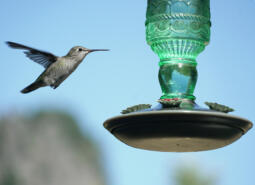
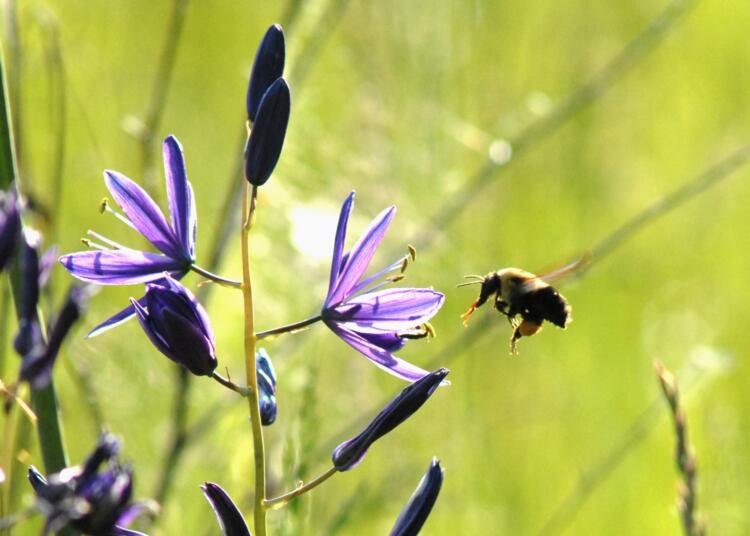
Planting native plants helps with yard-scale climate adaptation: native plants use less water than traditional landscaping, do not rely on the use of pesticides and insecticides, and can help with storm-water runoff (Key Conservation Issue: Pollution). They also provide food for native species, cover for animals rearing their young, and can create connectivity between urban green spaces and nearby habitats so wildlife can move more freely. Gardening with native plants can also benefit humans – native plants can be beautiful, invite native bumblebees, butterflies, and hummingbirds into the yard, and be a source of relaxation and improved mental health.
Selecting the plants appropriate to your own backyard is very local to where you are in the state. Many different online resources can get you started, or you can consult with a local nursery or extension service to help develop your planting guide.
Resources to get started gardening for wildlife:
- Bird Alliance of Oregon/Columbia Land Trust Backyard Habitat Certification Program
- Bee Safe Nursery Plants
- Garden for Wildlife
- GardenSmart Oregon
- Bat Conservation International planting guide for bats, Portland
- Northwest Steelheaders Native Plant Guide
- WAFWA monarch butterfly gardening handout
- National Wildlife Federation Backyard Certification
- Forestry for the Birds in Western Oregon, Forest Stewards Guild

Managing backyard chemical pollutants
Urban and suburban environments can contribute to pollution in a variety of ways, including stormwater runoff, vehicle emissions, lawn chemicals, and household waste. Rainfall can wash oil, pesticides, fertilizers, and other pollutants into local waterways, harming native wildlife and aquatic habitats. Individuals can reduce these impacts by using fewer or no synthetic fertilizers, herbicides, or pesticides, properly disposing of household chemicals, maintaining vehicles to prevent leaks, and picking up pet waste. Individuals can also install rain gardens or permeable pavement to absorb and filter stormwater and redirect downspouts towards lawns or gardens instead of driveways or other paved surfaces, so that water has a chance to soak into the ground. Choosing native plants for landscaping helps reduce the need for irrigation and chemical inputs, while also supporting local pollinators and wildlife. By taking these small but meaningful actions, urban and suburban Oregonians can play a direct role in improving air and water quality across the state.
Reducing light pollution
In cities and towns, excess artificial lighting disrupts sleep, increases stress, and affects human health. Bright streetlights and commercial signage can also confuse wildlife and waste energy. Nocturnal migrants like songbirds may be attracted to lights and get entrapped, circling the lit area and wasting energy reserves, impacting their ability to reach their destination (Key Conservation Issue: Pollution). Individuals, businesses, and organizations can all help reduce light pollution. Keep lights low, mounting fixtures as low as possible and using the lowest wattage necessary. Use longer wavelength light sources such as amber, orange, or red LEDs. Use shielded fixtures that help keep light from being visible at a distance or from above. Turn off unnecessary lights and opt for motion sensors where artificial lighting is absolutely required.
For more information:
- Light pollution harms wildlife and ecosystems
- Solutions to Light Pollution
- Bird Alliance of Oregon’s Lights Out program
- Xerces, Protect Pollinators by Fighting Light Pollution
Conserving water
In cities and suburbs, small changes at home can make a big difference for rivers, wetlands, and wildlife. Choose native or drought-tolerant plants to reduce outdoor watering, fix leaks promptly, and install water-efficient appliances. Collecting rainwater or directing roof runoff into rain gardens helps recharge groundwater and can reduce pollution in streams. Watering in the early morning or late evening helps prevent evaporation, and using mulch around plants and garden beds helps the soil retain moisture longer, reducing water needs. Consider replacing ornamental lawns with native ground cover or letting grass go dormant during the summer months. These actions not only conserve water but also protect fish, amphibians, and other species that depend on healthy urban watersheds.
Retrofitting buildings
Cities and towns are sometimes called “novel ecosystems” because they are unlike habitats that wildlife have lived in historically. Urban and suburban settings can serve as a gauntlet of barriers to movement, as native species did not adapt to live in or navigate these novel systems. However, simple modifications to buildings can have a dramatic positive impact on the ability of wildlife to survive and move freely.
Window strikes are a common cause of injury and death for birds, especially in areas where homes are near trees or other natural habitats. Birds often can’t see glass and may fly into windows because of the reflection of sky or vegetation (Key Conservation Issue: Barriers to Animal Movement). To help prevent window strikes, homeowners can make windows more visible to birds by adding decals, stickers, or tape in patterns spaced two inches apart vertically and horizontally. Installing screens, using external shades, or applying bird-safe window films are also effective solutions. Turning off non-essential lights at night is also an effective way to reduce issues with artificial light.
In some cases, individuals may be able to add green roofs or living walls to homes and other buildings, providing habitat for insects and birds while improving insulation and stormwater control. Adding a small pond or water feature, planting a pollinator garden, and using bat boxes and birdhouses can also help wildlife adapt to urban spaces, especially in areas where native habitats have been lost.
Keeping cats indoors
Free-ranging domestic cats kill billions of birds, mammals, reptiles, amphibians, and invertebrates every year. Even when well fed, domestic cats instinctively hunt and kill wildlife. They also indirectly harm wildlife through transmission of disease, competition with native predators, and impacts to native wildlife behavior. Keeping cats indoors is also important for the health and safety of the cats. Cats let outdoors face many dangers, including traffic, parasites, poisons, aggressive animals, and even abuse by humans. Indoor cats live longer, healthier lives than cats allowed outdoors. Keeping cats indoors, or creating safe spaces like catios, helps protect birds and other wildlife while also keeping cats safe and healthy.
IN THE NEIGHBORHOOD
Urban greenspaces can sometimes be overlooked, but they can provide valuable habitat for native species while also providing benefits like clean air, shelter from heat, and opportunities for recreation.
Participating in or leading a collaborative stewardship group
Participation in a collaborative stewardship group can be an opportunity to learn about natural habitats near you while helping to restore or conserve them. These groups bring together diverse stakeholders, such as community members, environmental organizations, land managers, schools, and local governments, to work collectively on conservation goals. Together, they might take part in activities like habitat restoration, monitoring wildlife, improving trails, or organizing educational events. Active involvement in such a group encourages open communication, inclusive decision-making, and the integration of local knowledge with scientific expertise. By contributing time, skills, and perspectives, participants help ensure that conservation efforts are effective, equitable, and reflective of community values. While each group focuses on the unique needs of their local area, the common goal is to protect and sustain the area for future generations while fostering a connection between the community and ecosystem.
Reducing human-wildlife conflict
As cities expand and more people live close to natural areas, encounters with wildlife in urban areas like raccoons, coyotes, deer, and bears can become more frequent. These interactions can raise safety concerns for people, pets, and wildlife. Wildlife can be harmed when they become dependent on human-provided food or are perceived as threats due to misunderstood behavior. Harmful impacts to wildlife include outcomes such as increased disease prevalence, injuries due to vehicle collisions, or even attacks by unsupervised domestic cats and dogs. Reducing human-wildlife conflict requires both education and action across neighborhoods and communities.
One important step is to recognize the difference between observing wildlife and feeding or attracting them. Watching animals from a distance is generally safe, but providing food, intentionally or by accident, can be harmful. Giving wildlife access to unsecured trash, compost, pet food, or birdseed teaches them to associate people with food. This increases the risk of harmful interactions with people, raises the potential for disease transmission, and disrupts their natural diets.
Keeping food, garbage, and pet food secure and out of reach is one of the most effective ways to prevent issues with wildlife. This is especially important in towns and cities where animals are more likely to come in contact with people and become habituated – meaning they lose their natural fear or wariness of people. When animals find easy access to food sources provided by people, they learn to return regularly, which can lead to property damage, human safety risks, and unhealthy changes in wildlife behavior.
Species that are commonly involved in human-wildlife conflict vary across the state, and it is important to look to local resources for guidance on best practices to prevent human-wildlife conflict. In some areas like Ashland, bears are frequent visitors to neighborhoods, while in other urban areas like Portland, coyotes are the most commonly reported species involved in conflicts. Local guidance can help you prepare for the animals most likely to occur in your neighborhood.
Broad recommendations to avoid human-wildlife conflict and prevent habituation of wild animals are applicable statewide, and can serve as a solid foundation for implementing more locally-specific guidance:
- Don’t feed pets outside. Feed your pets indoors or pick up the dish after they finish.
- Secure garbage and compost. Use bins with tight-fitting lids or secure them with a strap. Store bins in garages or sheds if possible. Avoid placing food scraps (like meat, dairy, or fruit) in uncovered compost piles.
- Remove bird feeders, or clean-up fallen birdseed regularly. Place bird feeders out of reach of other wildlife.
- Harvest fruits and vegetables as they become ripe.
- Especially in areas with bear activity, make sure trash and dumpsters are secure by using locking or screw-on lids, placing metal bars over dumpsters, or storing garbage in fully enclosed areas.
- Avoid putting trash out the night before pickup—instead, take it out as close to pick up time as possible.
These simple steps help keep wildlife safe and wild, and protect people, pets, and property.
Attending a local education program
Attending a local nature education program offers an opportunity to deepen your understanding of the natural world in your own community. These programs provide hands-on experiences that connect participants with the local habitats, wildlife, and the ecological processes that sustain them. By learning about native species, watershed health, and conservation challenges firsthand, you gain the knowledge and skills to become an effective steward of your local environment.
Local education programs often emphasize the importance of cultural and historical connections to the land, fostering a sense of belonging and responsibility for protecting these places. They also create safe spaces for community members, including families and youth, to explore nature together, build meaningful relationships, and develop a shared commitment to conservation.
AT THE WATERSHED
At the watershed scale is where rural, suburban, and urban Oregonians come together. Actions at the watershed scale beyond your communities’ boundaries, including recreating, volunteering, or engaging in community science, can often be the primary way that Oregonians directly interact with, observe, or impact wildlife and their habitats.
For more information on actions all Oregonians (urban, suburban, rural, and frontier) and visitors can take at the watershed scale on both public and private lands, see the Actions by all Oregonians at the Watershed Scale page.
LANDSCAPE SCALE CONSERVATION IN OREGON
WHO IS THIS CONSERVATION TOOLBOX FOR?
ACTIONS BY RURAL OREGONIANS
ACTIONS BY ALL OREGONIANS AT THE WATERSHED SCALE
GOALS AND ACTIONS FOR STATE, LOCAL, TRIBAL, AND FEDERAL GOVERNMENTS, NONPROFITS, AND COMMUNITY-BASED ORGANIZATIONS TO ENGAGE ALL OREGONIANS