Actions by All Oregonians at the Watershed Scale
While some actions are specific to where individuals live, Oregonians and visitors alike have a direct impact on Oregon’s fish, wildlife, and habitats while recreating, volunteering, or exploring beyond their immediate communities on both public and private lands. Opportunities and landscapes differ across the state, and everyone can contribute to conservation by recreating responsibly, volunteering locally, and participating in community science. These efforts help protect the state’s diverse ecosystems, from high deserts and ancient forests to urban greenways and coastal estuaries.
Oregon has extensive tracts of public lands under state, federal, tribal, or local management. Some public lands are managed for multiple uses, including energy development, timber harvest, and grazing while conserving natural and cultural resources and opportunity for public access. Other public lands limit development and resource extraction, while encouraging recreation and stewardship. These public lands include a variety of protected areas including designated wilderness (e.g., the Eagle Cap Wilderness), National Wildlife Refuges (e.g., Baskett Slough), State Wildlife Areas (e.g., Summer Lake, Denman), National Park Service units (e.g., Crater Lake, John Day Fossil Beds), and marine reserves (e.g., Cape Perpetua, Otter Rock) among others. This extensive network of public lands comprises over 53% of the land base in Oregon.
In addition to public lands, many of Oregon’s privately owned and managed lands are open for public use. These working lands can provide high quality habitat for native species and may be open for hiking, wildlife viewing, hunting and fishing, or other recreational opportunities. For example, many private forestland owners keep their land open to the public for recreation much of the year, though they may close it during fire season to limit risk.
Information is presented here on how individuals can help in these spaces. While visiting these areas, all Oregonians and visitors play a crucial role in maintaining healthy habitats for fish and wildlife by leaving places in as good or better condition than when they arrived. By visiting, volunteering in, and advocating for protection and conservation of these areas, Oregonians and visitors alike can support long-term habitat conservation and ecosystem health.
Recreating responsibly
Every year, millions of Oregonians and visitors explore Oregon’s coastal beaches and mountain trails, desert plateaus, and forested hills. As more people venture outdoors to enjoy Oregon’s natural resources, it’s more important than ever to recreate responsibly. By preparing and planning for your adventure appropriately, packing out what you pack in, and respecting wildlife, fish, and their habitats, you can help protect these fragile ecosystems for future generations to experience and enjoy. The way we recreate directly affects the health of these species and the natural systems they rely on. Our choices matter, whether on the trail, along the beach or riverbank, at a campsite, or deep in the backcountry.
Responsible recreation means:
- Planning ahead and being prepared: Know the rules, conditions, and risks where you’re going. Bring necessary supplies and let someone know your plans.
- Staying on trails and minimizing impact: Straying off trail can destroy habitat, contribute to erosion, and spread invasive species. Stick to designated paths and minimize your footprint.
- Packing out what you pack in: Trash, leftover food, pet waste, and gear, even biodegradable items like fruit peels, can harm wildlife and pollute habitats.
- Respecting wildlife and keeping your distance: Do not approach or feed wild animals. Keep quiet to limit disturbance and observe from afar using binoculars or cameras.
- Leashing pets: Dogs can disturb nesting birds, chase wildlife, or trample sensitive plants. Keep dogs on a leash and out of sensitive areas.
- Respecting seasonal closures and sensitive habitats: Many areas are closed or restricted during certain seasons to protect nesting birds, spawning fish, or vulnerable plant communities.
Engaging in community science
Community science is a collaborative approach where community members directly assist professional scientists with collecting information. Community-based monitoring can greatly expand our ability to collect data on sensitive fish, wildlife, and habitats in Oregon. Through community science, Oregonians contribute valuable local biological knowledge. For example, birdwatchers and anglers understand the distribution and behavior of their favorite species, and farmers and other landowners have deep familiarity with what occurs on their land. Community-based monitoring can tap into this knowledge, increase the amount of data that can be collected, and reduce the overall costs of data collection. This also encourages Oregonians to take an active part in conservation, teaching people about their local environment, and providing a forum for feedback and discussions related to conservation actions currently underway on their land or in their neighborhood. Community led efforts can help by filling otherwise unaddressed gaps in information on Species of Greatest Conservation Need (SGCN) and Species of Greatest Information Need (SGIN) while engaging individual Oregonians directly.
By supporting and building on these efforts, scientists and Oregonians can work together to address monitoring priorities identified in the State Wildlife Action Plan (SWAP).
How you can participate:
- Record your observations of species you encounter while fishing, birdwatching, gardening, recreating, or otherwise spending time outdoors. This local knowledge is invaluable for detecting trends in species presence and distribution. Apps like iNaturalist, eBird, or Bumblebee Watch can be used to document plants and animals in your neighborhood, local park, hiking trail, or elsewhere. Unsure of what type of plant or animal you saw? Report it anyway! These apps have vibrant communities that can help identify species.
- Join seasonal counts or bio-blitzes that help track the health of species such as monarch butterflies, amphibians, or native bees.
- Collaborate with schools, watershed councils, non-profit organizations, or community groups conducting monitoring or habitat assessments.
Volunteering for a local conservation, fishing, or hunting organization
Volunteering with a local conservation, fishing, or hunting organization offers meaningful ways to connect with nature while contributing to community-based stewardship. Activities might include removing invasive species like Himalayan blackberry at a local nature reserve, helping lead youth birding tours, organizing family fishing days at nearby lakes, or coordinating community science efforts to monitor species such as the northwestern pond turtle. Organizations provide volunteers with hands-on opportunities to learn about local ecosystems, build new skills, and increase their capacity to engage in environmental protection. These experiences not only support conservation goals but also foster a deeper personal connection to the land and the people who care for it.
Leaving wildlife wild
Finding a young wild animal alone does not mean it needs to be rescued. The best way to help young wild animals survive is usually to leave them where you find them.
Here’s how you can help responsibly:
- Keep pets and other domestic animals away from wildlife. Pets will stress wildlife, especially if there are young wildlife or fledgling birds in your yard. Keep dogs on a leash when recreating outside, especially during the spring when young wildlife are around. Keep cats indoors to protect them and our native wildlife.
- Give wild animals time, space, and a chance to survive on their own. Wildlife face survival challenges and sometimes need time to rest before moving on.
- If you are certain an animal is orphaned because you saw the parent animal is dead, the animal has not moved on for a day or two, or you see an animal that is injured, call ODFW, a licensed wildlife rehabilitator or Oregon State Police for advice.
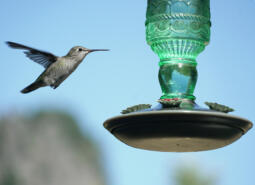
- Don’t feed wildlife. All species of wildlife have a specialized diet that coincides with seasonal changes. Access to food provided by people, whether intentional or accidental, can negatively impact wildlife health, lead to conflict with people, and in many cases has fatal consequences. It can also lead to wild animals losing their fear of people and posing a threat to human safety.
- Secure food, garbage, and recycling to keep wildlife out. Take trash out immediately before pick-up, not the night before pickup. Feed pets indoors and store their food inside.
LANDSCAPE SCALE CONSERVATION IN OREGON
WHO IS THIS CONSERVATION TOOLBOX FOR?
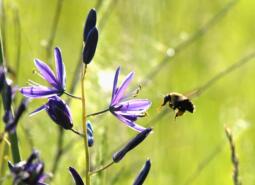
ACTIONS BY URBAN AND SUBURBAN OREGONIANS
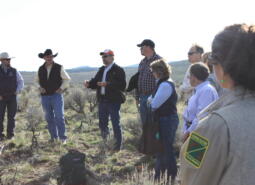
ACTIONS BY RURAL OREGONIANS
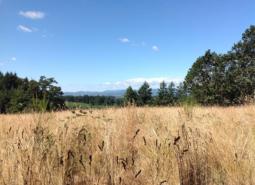
GOALS AND ACTIONS FOR STATE, LOCAL, TRIBAL, AND FEDERAL GOVERNMENTS, NONPROFITS, AND COMMUNITY-BASED ORGANIZATIONS TO ENGAGE ALL OREGONIANS