
A. subarctica is a medium-sized species, ranging from 63 to 69 mm in length. The lateral thoracic stripes are distinctive: rather narrow and tapering to a constriction or notch in the middle. The male thoracic stripes are bluish at the top transitioning to yellow-green at the bottom. There is a short, thin streak between the two thoracic stripes and often a narrow partial streak just in front of the anterior one. The frontal stripes are relatively thin (reduced). The male abdomen has relatively large paired blue spots on the top of the segments, including segment 10. Females of this species are polymorphic; the andromorph (resembling the male) has blue eyes and blue pale markings on the body, while the heteromorph (appearing different than the male) has brown eyes with blue highlights, yellow thoracic stripes, and yellow to white spots on the abdomen. Both sexes of A. subarctica have a distinct black line across the face.
Overview
- Species Common Name Subarctic Darner
- Species Scientific Name Aeshna subarctica
Ecoregions
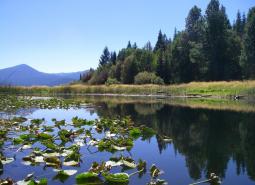
East Cascades
The East Cascade ecoregion extends from the Cascade Mountains' summit east to the warmer, drier high desert and down the length of the state. This ecoregion varies dramatically from its cool, moist border with the West Cascades ecoregion to its dry eastern border, where it meets sagebrush desert landscapes.
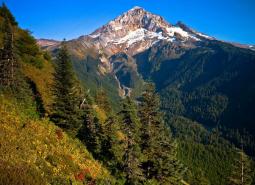
West Cascades
The West Cascades ecoregion extends from east of the Cascade Mountains summit to the foothills of the Willamette, Umpqua, and Rogue Valleys, and spans the entire length of the state of Oregon. It is largely dominated by conifer forests, moving into alpine parklands and dwarf shrubs at higher elevations.