WHY HAVE A CONSERVATION TOOLBOX?
Across Oregon, motivated community members are removing invasive species, replacing culverts, restoring wetlands, establishing native plants, and taking large and small actions to enhance habitat for fish and wildlife. Individuals living, visiting, or recreating across Oregon, from urban centers to the most remote wilderness parts of the state, can all take action to benefit Species of Greatest Conservation Need (SGCN) and Key Habitats. Connecting people in Oregon to nature and helping Oregonians find their role in conservation is critical to the success of the State Wildlife Action Plan (SWAP). Wildlife and habitat conservation is essential for the health of our planet and all living things, including humans: healthy wildlife and ecosystems provide the clean air, water, and food we all depend on. To be successful, conservation can’t be left to a few experts or organizations—it requires support and engagement from communities throughout the state.
However, a number of challenges slow progress toward conservation success, including access to information. Individuals need to assess which aspects of a project on their own land or in their community they can do themselves, which aspects require assistance, and whom to ask for assistance.
Some challenges that a motivated individual might encounter in taking voluntary conservation action on their own land or in their community include:
- Finding information relevant to a project
- Recognizing ways to create better habitat
- Setting priorities among several conservation needs
- Obtaining permits, particularly for projects involving streams, lakes, and wetlands
- Navigating zoning restrictions and complex habitat tax deferral programs
- Selecting the appropriate plants and resources for a particular site
- Reducing opportunities for invasive species to take hold
- Accessing labor, equipment, and materials to carry out a project
- Covering the costs of a conservation project
In addition to participating in on-the-ground projects, all Oregonians and visitors can take small actions to benefit fish, wildlife, and their habitats. These small actions, including everyday decisions about what to buy and what to do, can have large impacts on wildlife. Access to information on these small actions can help protect wildlife and address Key Conservation Issues and can support individuals who are interested in taking the first step towards being an active partner in conservation.
Expanding public awareness of the importance of conservation is foundational to the success of the SWAP. Effective conservation outreach requires diverse perspectives, yet some communities have been unable or limited in capacity to contribute due to constraints on time, funding, or other resources. Established conservation partners continue to shape the conversation, while other voices remain underrepresented, reinforcing an echo chamber in conservation spaces. Without adequate funding or compensation for time spent reviewing outreach materials or planning documents, broader engagement and meaningful review are difficult to achieve, limiting progress. Expanding participation strengthens conservation efforts and leads to better-informed decisions for Oregon’s natural resources.
The goal of this Toolbox is to support all people in Oregon interested in taking voluntary actions to help steward fish, wildlife, and their habitats in line with the SWAP by providing information, resources, and knowledge of where to ask for assistance. Many organizations exist in Oregon to support individuals who are interested in conservation in their own backyard, neighborhood, community, watershed, or private property, and can help provide guidance on how to balance fish and wildlife stewardship with their own needs on the landscape. If you’re not sure where to start, please reach out to your local ODFW office for support getting directed to the right group.
LANDSCAPE SCALE CONSERVATION IN OREGON
WHO IS THIS CONSERVATION TOOLBOX FOR?
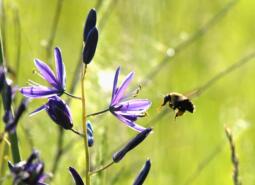
ACTIONS BY URBAN AND SUBURBAN OREGONIANS
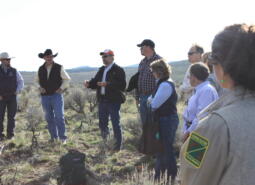
ACTIONS BY RURAL OREGONIANS
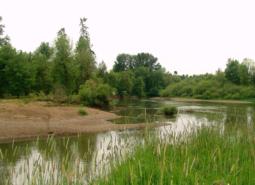
ACTIONS BY ALL OREGONIANS AT THE WATERSHED SCALE
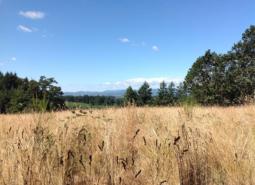
GOALS AND ACTIONS FOR STATE, LOCAL, TRIBAL, AND FEDERAL GOVERNMENTS, NONPROFITS, AND COMMUNITY-BASED ORGANIZATIONS TO ENGAGE ALL OREGONIANS