Background
CMP Direct Threats 8.1, 8.2, 8.4
To define “invasive species,” the Oregon State Wildlife Action Plan uses the definition from Oregon Revised Statute 570.755(1): Nonnative organisms that cause economic or environmental harm and are capable of spreading to new areas of the state. “Invasive species” does not include humans, domestic livestock, or non-harmful exotic organisms.
In Oregon, non-native organisms are arriving and thriving, sometimes at the expense of native fish and wildlife, their habitats, and the state’s economy. Invasive species impact all habitats in Oregon, from estuarine systems to high alpine habitats and everywhere in-between. Non-native species can adversely affect native species by various means, including competing for food and space, preying on native species and/or their eggs or young, spreading novel diseases, or producing toxins. Many non-native species have been introduced to Oregon either accidentally or intentionally. While not all non-native species are invasive, some crowd out native plants and animals and become a serious problem. Invasive species are often one of the most significant drivers of native species becoming endangered, and can also lead to secondary impacts that further harm ecosystems such as increased use of pesticides or herbicides.
Invasive Non-native Species
When an invasive species is introduced into a new environment, it leaves behind all the natural agents that controlled its population growth in its original home, such as predators, disease, or parasites. Without this control, these species can quickly expand, outcompeting and overwhelming native species that may not have evolved the necessary survival strategies to fend off unfamiliar species or diseases.
Invasive non-native species can have many negative consequences for fish, wildlife, and habitat throughout Oregon. Invasive species are one of the leading factors contributing to native species becoming at-risk of extinction in the United States. Invasive species also include disease-causing organisms, such as viruses, bacteria, prions, fungi, protozoans, and internal (roundworms, tapeworms) and external (lice, ticks) parasites that can affect the health of humans, livestock, and pets in addition to fish and wildlife. Non-native invasive species can also cause significant economic damage to landowners by degrading land productivity or economic value.
Globalization has increased the rate at which non-native species are introduced to new habitats where they can become invasive: every year, new non-native species are documented in Oregon, bringing with them the threat of ecological and economic damage. There are many different pathways for the introduction and movement of non-native species, including travel, the transport of goods, recreation, or even natural processes like wind or water that can accelerate the movement of invasive species after they arrive. Many of these species are introduced unintentionally by people, often escaping detection until it is too late to control their prolific expansion and devastating effects. Others are released intentionally, including the release of unwanted pets or planting of nonnative vegetation. As the pace of globalization and cross-border trade increases, so does the risk of introducing non-native species though unintentional transport via our trade networks. Insects and other stowaways move undetected in agricultural commodities, livestock, wood products, ballast water, and even packing material. An example of this is the emerald ash borer (Agrilus planipennis), an exotic beetle that was unintentionally introduced to the United States through wood packing materials or pallets shipped from Asia. After emerging in the US, the emerald ash borer has spread through natural expansion, as well as transportation of infested firewood and nursery stock, and has caused the destruction of tens of millions of ash trees across North America.
Pathways of Introduction
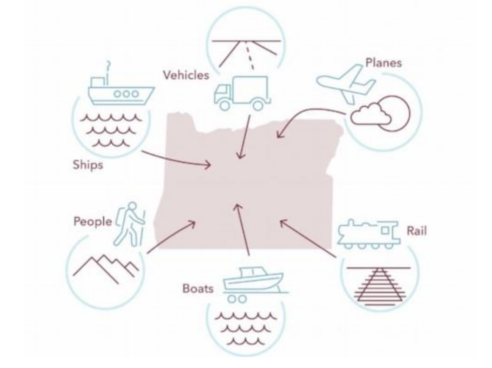
Figure 1. There are many different pathways and vectors for introduction and movement of invasive species, including human activity, transport, and varying environmental systems. Visit the Oregon Invasive Species Council website for further information. Illustration by Studio Clear.
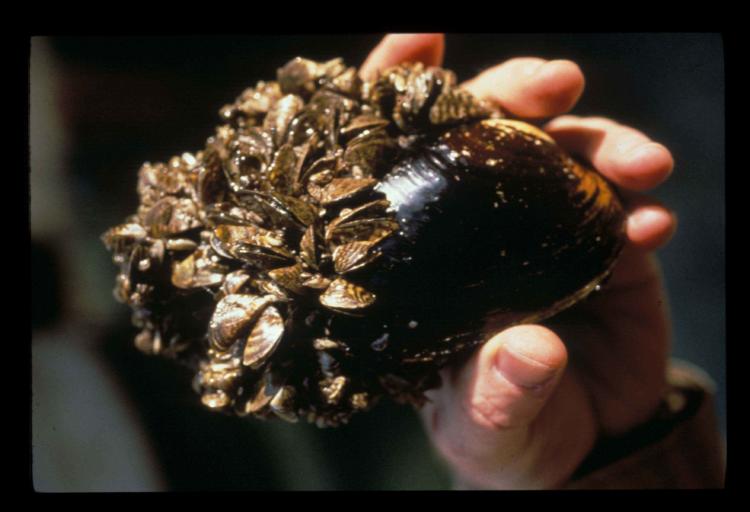
Oregon’s rivers and lakes are vulnerable to aquatic invasive species, such as highly invasive zebra mussels (Dreissena polymorpha) and quagga mussels (Dreissena bugensis). These are invaders from the Ponto-Caspian Sea region and have spread throughout the Great Lakes, Midwest, and the Southwest, and were detected in the Snake River in Idaho in 2023. Zebra and quagga mussels can be unintentionally spread in their adult life stage attached to boat hulls, motors, or trailers, or as larvae in live wells or standing water found in boat motors.
Another vector of invasion for these mussels, as well as other aquatic species, is the live fish trade. In 2021 and again in 2024, the highly invasive zebra mussel was discovered on shipments of moss balls to aquarium stores in the Pacific Northwest and subsequently to aquarium owners. New infestations of zebra mussels could easily emerge as aquarium owners perform routine water exchanges while cleaning their tanks, unknowingly introducing mussels into water infrastructure systems in our communities.
People have also intentionally released new species into the environment, many of which have become invasive. People depend on a variety of non-native plants for food, livestock feed, and ornamental, medicinal, or other uses. While most of these plants have little environmental effect, some like the Scotch broom (Cytisus scoparius), Japanese knotweed (Reynoutria japonica), and Armenian (Himalayan) blackberry (Rubus armeniacus) can escape into natural areas. When this happens, they can crowd out native plant communities. Non-native fish (both legal introductions and illegal releases), American bullfrogs (Lithobates catesbeianus), feral swine, and several non-native species of birds have been released to provide new fishing and hunting opportunities; these species can devastate native wildlife populations. Nutria (Myocastor coypus), which cause tremendous damage in agricultural areas, were released in Oregon after failed attempts at raising them commercially for fur. People sometimes release unwanted pets, including red-eared sliders or snapping turtles, into the wild and aquarium fish into local streams and ponds. In many cases, these releases are illegal.
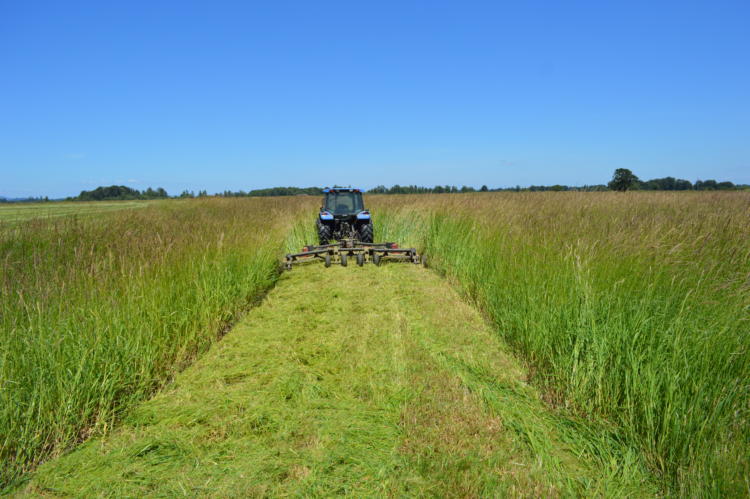
Once introduced, natural pathways may help to spread invasive species, especially plants whose seeds or parts are easily dispersed by wind, water, and wildlife. Certain land management practices can serve as conduits or create conditions that favor the spread of invasive organisms. Regardless of the pathway or practice implicated in the problem, experts believe that environmental disturbance is often a precursor to invasion by non-native plants. Invasive non-native species are typically highly adaptable and competitive, taking advantage of the available space, water, and sunlight in disturbed areas. Following introduction and successful establishment, these species may increase their dominance and distribution until they reach the environmental and geographic limits of their expansion. Populations of invasive species may stabilize eventually but often not before inflicting significant environmental and economic damage.
Although introductions of invasive species to Oregon may be inevitable, preventing them from arriving in the first place is the most cost-effective way of controlling invasive species and is in everyone’s best interest.
INVASIVE NON-NATIVE SPECIES IN OREGON
The study of invasive species is a fast-moving field, and keeping track of new invaders is a collaborative effort. Oregon Noxious Weeds Control, Oregon Insect Pest Prevention and Management, Oregon Department of Fish and Wildlife, Oregon Aquatic Invasive Species Prevention Program, and others share responsibility for oversight, regulations, and/or programs related to invasive species in Oregon. Oregon’s Invasive Species Council maintains an up-to-date list (including plants, vertebrates, invertebrates, microorganisms, fungi, and diseases) of invasive species relevant to Oregon on Oregon’s Invasive Species Information Hub, providing information on the species as well as the Key Habitats and Ecoregions in Oregon they may threaten most.
Each year, new exotic species are documented in Oregon or near our borders. For example, the Oregon Department of Agriculture recognizes an average of 10 new exotic terrestrial invertebrate species annually. However, not all these new arrivals establish self-sustaining populations, and of those not all of them become invasive. Table 1 highlights some of the most impactful invasive species relevant to Oregon, including well-established species (like the American bullfrog), and species on Oregon’s borders (like the quagga mussel). From outcompeting native species for resources to directly harming vulnerable populations, these invaders can alter water quality, reduce biodiversity, and displace native species. Understanding these impacts can help inform management and protection of our natural environments from further degradation.
Table 1. Examples of invasive species that can have far-reaching impacts to Oregon’s native fish, wildlife, and their habitats once established. For a regularly updated list of non-native invasive species in Oregon including plants, vertebrates, invertebrates, microorganisms, fungi, and disease, see Oregon’s Invasive Species Information Hub.
| Examples of invasive species and their impacts to Oregon’s ecosystems | ||
|---|---|---|
| Common Name | Scientific Name | Impacts |
| Zebra mussel | Dreissena polymorpha | Quagga and zebra mussel invasions are known to have catastrophic impacts to native systems and infrastructures in North America. These species can kill native freshwater mussels by attaching to their shells or through outcompeting them for resources. These species are filter feeders and disrupt native food webs by removing microorganisms and altering water chemistry, leading to degraded water quality and algal blooms. They can also displace native species in lake and river bottoms, collapsing the populations of amphipods that native fish rely on. Invading mussels can populate rapidly, clogging infrastructure by attaching to manmade structures such as pumps, pipes, and screens, causing damage to hydroelectric turbines and intake structures for drinking water and irrigation. Golden mussels have impacts similar to quagga and zebra mussels and have recently been detected in North America for the first time. |
| Quagga mussel | Dreissena rostriformis bugensis | |
| Golden mussel | Limnoperna fortunei | |
| Rusty crayfish | Orconectes rusticus | Non-native crayfish species (including the rusty, ringed, and red swamp crayfish) are larger and more aggressive and can outcompete Oregon’s native signal crayfish (Pacifastacus leniusculus) for food and resources, which can lead to declines in native species populations. Red swamp crayfish in particular can be destructive to native habitats and are highly invasive once introduced. Red swamp crayfish have a broad diet including plants, tadpoles, snails, other crayfish, and insect and amphibian larvae. Burrowing activities of these crayfish can cause bank destabilization and increased water turbidity. |
| Ringed crayfish | Orconectes neglectus | |
| Red swamp crayfish | Procambarus clarkii | |
| Mute Swan | Cygnus olor | Mute Swans, which can be distinguished from native swan species by their orange bill with prominent black knob near the forehead, can devastate native wetland habitats. Impacts include destructive feeding habits that can dramatically reduce submerged aquatic vegetation communities, disruption of the food web, aggressive behavior that may prevent native bird species from nesting, and impacts to migrating waterfowl. Further, Mute Swan presence can increase water turbidity, increase soil erosion, and reduce biodiversity. Adult Mute Swans are large and highly territorial and may harm or harass native species. |
| American bullfrog | Lithobates catesbeianus | American bullfrogs are native to eastern North America. Introduced in the 1900s, they can now be found throughout Oregon but are most common west of the Cascades. American bullfrogs are linked to the decline of native species, particularly amphibians, as they can outcompete native species for food and space, in addition to preying on their eggs and young. Additionally, bullfrogs can spread disease to native species that can devastate vulnerable populations. Among other species, American bullfrogs are known to directly impact Oregon spotted frogs (a threatened species) and northwestern pond turtles (proposed threatened) through predation and competition for resources. |
| Red-eared slider | Trachemys scripta elegans | Common snapping turtles are much larger than the native turtle species found in Oregon and may displace native turtles from their nesting and cover habitat, outcompete native species for food, and prey on native turtle hatchlings. Red-eared sliders compete with native turtle species for resources, including food, nesting, basking, and cover habitat. Non-native turtles can transmit parasites and diseases like shell disease to native turtle populations that do not have immunity. These species are often kept as pets, and illegal releases to the wild can result in reproducing populations that directly impact native turtle populations. |
| Common snapping turtle | Chelydra serpentina | |
| Green crab | Carcinus maenas | The green crab, an invasive species, can disrupt native coastal habitats by destroying eelgrass beds and salt marsh plants, which provide important habitat for larval fish, invertebrates, shorebirds, and other species and maintain ecosystem functions. They directly compete with native crab species for food and habitat and can damage fisheries. The green crab is highly invasive, with few predators, and is an aggressive predator with the potential to significantly alter any ecosystem it invades. |
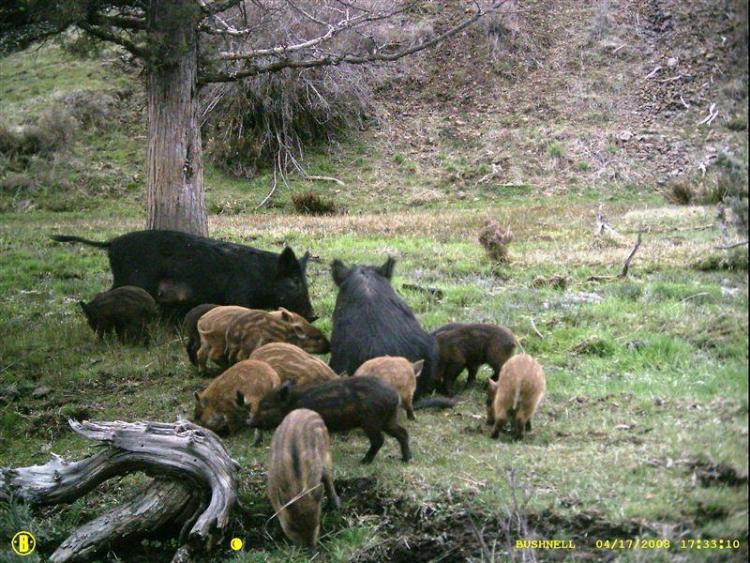
| Feral swine | Sus scrofa | Feral swine, or wild pigs, cause significant harm to native wildlife and ecosystems. These animals cause direct impacts to sensitive species by preying on nests, eggs, and young of ground-nesting birds and reptiles, and additionally will consume small mammals, reptiles, amphibians and insects. Feral swine directly compete with native species for resources, and their presence can displace other species. Additionally, they can carry diseases and parasites that can infect native wildlife. The most damaging impact feral swine have is through habitat destruction: their natural behaviors such as rooting (digging in the soil), wallowing, and trampling vegetation has far-reaching impacts. Through these behaviors feral swine can act as ecosystem engineers, degrading native habitat structure. Feral swine activity can alter water quality and runoff in wetlands, change plant composition and distribution, and reduce tree diversity by damaging young trees and plant life. |
Assessing Risk
Evaluating the potential danger associated with the introduction of a new species is sometimes very difficult. Variables such as how the species will respond in a new environment, or which species might arrive within the state and when, are oftentimes unknown. Many invasive species, especially those that are aquatic (e.g., invasive tunicates), can be difficult to detect before they pose a large threat. Once invasive species are established, controlling them can be difficult, expensive, and in some cases, impossible. Priority must be placed on preventing the introduction of new species. Not every new non-native species is equally threatening, so gauging the level of risk and responding accordingly is important to avoid misallocating limited resources on species of low ecological or economic concern.

Non-native Game Fish
Many non-native fish species are legislatively defined as game fish in Oregon. These species include but are not limited to bass, walleye, sunfish, crappie, yellow perch, bullhead/catfish, striped bass, American shad, lake trout, brook trout, and brown trout. ODFW provides angling opportunities for some of these species by transplanting fish from one waterbody to another and stocking hatchery-produced fish; this is done in locations where the assessment of risk indicates that impacts to native fish and wildlife are expected to be minimal. Despite best efforts, however, these same fish can still pose threats to native species, through direct competition, predation, or impacts to habitat.
In some situations, these non-native fish species move to new locations naturally after environmental or habitat disturbance events or are moved by people either unintentionally or illegally. When this happens, they can become naturally self-sustaining, negatively impacting Oregon’s native species and habitats through competition, predation, introduction or transmission of pathogens, and hybridization. The magnitude of impact of each of these factors can vary significantly across species or locations and habitat conditions. In recent years, smallmouth bass were illegally introduced into the Coquille River. The result of this illegal introduction led to the drastic decline of native wild fall Chinook salmon due to predation. Impacts of non-native trout on native trout also occur. Brook trout occupy similar habitats as native bull trout, and they can cause impacts through competition for resources and genetic introgression (i.e., hybridization).
Non-native game fish occur in many aquatic systems throughout the state. ODFW seeks to prevent the uncontrolled spread of these species and will evaluate situations on a case-by-case basis. Management of these species may differ depending on type of water body (i.e., natural rivers, streams, and lakes or man-made ponds, lakes, and reservoirs), how established a population has become, how altered the water body is, and the spatial and temporal overlap with native species. Management approaches for non-native game fish across these different conditions may include a) ensuring natural habitat conducive to native species is protected and restored, b) actively avoiding establishment and c) actively removing and limiting further expansion, d) researching impacts to native species, and/or e) maintaining, improving, or establishing recreational opportunities. For example, in response to an illegal introduction of a non-native game fish species into a river, stream, lake, or reservoir, ODFW will attempt to eradicate or limit expansion of the species if it is able and feasible to do so.
Data are needed to better describe non-native game fish populations, distribution, and impacts to native species in the state to inform management decisions. Efforts are increasing to monitor the distribution of non-native game fish species as well as study their impacts on native species.
BUILDING ON CURRENT PLANNING EFFORTS
Several planning efforts are underway to protect Oregon from biological invaders. State statutes or agency administrative rules are in place to prohibit the unauthorized entry of undesirable invasive species. Together, the following plans and regulations provide a foundation for addressing invasive species and put the issue into clearer context for this Action Plan:
- Oregon Invasive Species Council Action Plan
- Aquatic Invasive Species Prevention Program
- Oregon Noxious Weed Strategic Plan (ODA)
- Oregon Aquatic Nuisance Species Management Plan (Portland State University)
- Oregon Dreissenid Mussel Rapid Response Plan
- Columbia River Basin Interagency Invasive Species Response Plan
Other ongoing efforts provide information that would be helpful in addressing invasive species. For example, the USFS Forest Inventory and Analysis Program uses remote sensing imagery or aerial photography to classify land into forest or non-forest. Permanently established field plots are distributed across the landscape, and 10 percent of these plots are visited each year to collect forest ecosystem data. A subset of these plots are sampled yearly to measure forest ecosystem function, condition, and health, including measurements of native and non-native plants, which can provide information about the spread of invasive species.
Meeting the Challenge: A Framework for Action
Invasive species can be effectively managed and their potential ecological and economic impacts mitigated if the right precautions and steps are taken with a collaborative network of partners. To be effective in managing invasive species, states, counties, private landowners, and public landowners can use this framework of management approaches, adapted from National Invasive Species Council guidance documents, to prioritize efforts to safeguard species, habitats, and working landscapes against invading organisms.
The approaches need to be implemented at different spatial scales and across all jurisdictional and ownership boundaries. For example, monitoring can assist with site-specific management decisions. Weed infestations on federally managed land and on adjacent private property are more effectively controlled when federal land managers and private landowners join forces at the landscape level, across ownership boundaries. Reporting these data to a central database is also important for tracking changes in populations and distributions across the state.
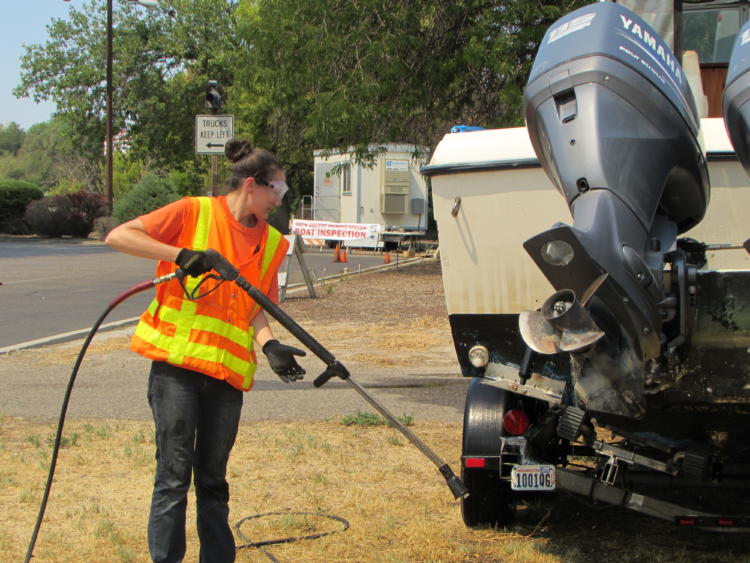
Table 3. Management approaches to reduce the impacts of invasive species.
| Management Approach | Objective |
|---|---|
| Prevention | Preventing new species introductions is a top priority and the most cost-effective approach to protecting native species, ecosystems, and productivity of the land from invasive species. |
| Education
| Inform the public about the impacts and costs of invasions and methods of prevention. |
| Risk Assessment | Defining the level of concern and risk associated with new introductions through an assessment process will help to identify the worst invaders and highest management priorities. |
| Monitoring | The importance of continual surveying cannot be overestimated when looking for first-time infestations of undesirable non-native species or evaluating efforts to control existing occurrences. |
| Early Detection | Early discovery of infestations of previously undocumented non-native species is critical to controlling their spread and achieving complete eradication. |
| Rapid Response | Immediate treatment of new, isolated infestations will maximize eradication success and decrease the likelihood of populations expanding beyond the initial area of introduction. |
| Containment | Preventing invasive species from ‘hitchhiking’ via vulnerable pathways will slow the advance of well-established invasive species into unaffected areas. Some invasive species are tolerable if infestations can be contained, and their impacts minimized. |
| Restoration | A system-wide approach to treating invasive species should consider habitat restoration as part of the ecological healing process. Helping native species and ecosystems recover is an important step following the removal of harmful species. |
| Adaptive Management | Land managers or landowners should change course on management prescriptions if treatments are not working. Monitoring the results of control actions is an important part of this process. |
GOALS AND ACTIONS
Goal 1: Prevent new introductions of non-native species with high potential to become invasive
Action 1.1 Increase public awareness and understanding of invasive species, their impacts, and methods for preventing new introductions through education.
The Oregon Invasive Species Council (Council) coordinates statewide efforts to prevent biological invasions and seeks to mitigate the ecological, economic, and human health impacts of invasive species. Informed landowners, land managers, public officials, and the public can take action to further the Council’s goals. Businesses, landowners, anglers, hunters, Oregon residents, and visitors should be reminded of the dangers posed by invasive species through targeted outreach and education. People can greatly reduce the accidental introduction or spread of these organisms into and within Oregon if they know what precautions to take.
State, federal, and tribal agencies and NGOs can work with the Council to promote and raise public awareness of programs to reduce or eliminate the risk of introducing invasive species. For example, ODA’s Noxious Weed Program provides statewide leadership for coordination and management of state-listed noxious weeds, and ODFW’s Wildlife Integrity Program regulates the importation, possession, and transportation of non-native wildlife species. Encouraging Oregonians to report sightings of invaders is also important and can be key to the detection, control, and elimination of an invasive species.
Action 1.2 Expand collaborative efforts to prevent the introduction of new invasive non-native species.
The cost and difficulty of managing invasive non-native species increases substantially once a species has established self-sustaining populations. Once established and widespread, invasive species are virtually impossible to eliminate, and control costs can become prohibitive. Therefore, every effort should be made to prevent first-time introductions of invasive species from becoming established in Oregon. By their very nature, however, state borders are porous and vulnerable to the entry of non-native organisms. A significant challenge is developing and implementing effective prevention strategies based on the best available research on where and how new and invasive organisms are likely to enter Oregon.
One example of an effort to prevent the introduction of invasive species is the watercraft inspection program for aquatic invasive species (AIS). Inspection stations are located at entry points on major highways along the Oregon’s borders. Personnel at these stations inspect watercraft for AIS and if any are found, the watercraft is decontaminated on the spot.
Action 1.3 Strengthen early detection and rapid response plans to facilitate swift containment of new introductions and increase resources, including funding, available to support prevention and rapid response.
Early detection and rapid response are two of the most critical components of effective invasive species management, and resources are needed to ensure that potential infestations are identified early and eradicated before they can establish self-sustaining populations.
The potential dangers of new invasions to forestlands, agricultural and range lands, natural areas, and fish and wildlife should be determined as early as possible so that farmers, ranchers, fish and wildlife managers, and conservationists can be forewarned and better prepared. Teams composed of experts are needed to determine the likely impacts of newly discovered invasive species, predict the spread of new infestations, and decide which steps should be taken to alert the public. Information sharing among a diversity of collaborators and across political boundaries can help make early detection more practical, feasible, and cost effective.
Rapid response plans need to be tested, refined, and practiced before implementing control efforts on a new infestation. Conducting exercises that simulate an infestation can promote better cooperation between government agencies and private organizations and produce more effective and successful eradication efforts for newly detected species. Coordinating with other states that have already faced invasive species removal efforts is also recommended, allowing for the sharing of best practices, lessons learned, and resources to help improve preparedness and response strategies. This proactive collaboration can help mitigate the costs, time, and uncertainty of managing invasive species before they become established in Oregon.
Elected officials, industries, and the conservation community must work together to identify public and private funding to support the efforts of the Invasive Species Council and its partner agencies to develop effective prevention measures. This investment will help protect the economic and ecological interests of all Oregonians, as well as protect Species of Greatest Conservation Need and Key Habitats from the impacts of harmful invaders.
Goal 2: Reduce the scale and spread of priority invasive species infestations when they occur
Action 2.1 Evaluate the ecological impact of individual invasive species and management approaches for priority invasive species.
Assess the scale of the impacts of each invasive species by analyzing current distribution and abundance, trends in distribution and abundance, and difficulty of eradication or management. Working closely with appropriate entities in neighboring states, including Washington, Idaho, Nevada, and California, can help to inform prevention efforts and early detection rapid response. This information can be used to determine the best management approaches for individual invasive species and to prioritize invasive species most in need of control efforts. Current and potential partners include The Nature Conservancy, Oregon Biodiversity Information Center, Soil and Water Conservation Districts (SWCDs), Oregon Invasive Species Council, tribes, county weed boards, federal land management agencies, ODA, and others.
Action 2.2 Focus on eradication of invasive species in Key Habitats and other high priority areas where there is a clear threat to ecosystems and a high probability of success.
Some invasive species have spread to the point where it would be impractical or impossible to eliminate them from Oregon. Yet some of these established invasive species have significant negative impacts on at-risk species and habitats and can be contained at the local level. In these situations, control efforts should be focused on those invasive species that are limiting factors for Species of Greatest Conservation Need or Key Habitats, particularly within Conservation Opportunity Areas or Priority Wildlife Connectivity Areas. Other priorities may include controlling invasive species that disrupt ecological function or impact vulnerable, commercially valuable lands, such as rangeland, farmland, and timberland.
Local eradication of invasive species near high priority habitats and lands should be emphasized where practical, with the ultimate goal of restoring these lands to their full ecological or utilitarian potential. Controlling established invasive species often requires long-term commitment. If funding dissipates or management priorities change, invasive species can quickly return. Restoration activities can repair habitats degraded by invasive species and may be necessary if aquatic or terrestrial ecosystems are too damaged to recover on their own. Restoration may be the best prescription for inoculating native plant communities against invasive plants, as ecosystems are more resilient to invasion when they are healthy and functioning well.
Private landowners are increasingly partnering with watershed councils, ODFW, SWCDs, ODA, and federal land management agencies to manage invasive species across property lines. Such broad-scale efforts need to continue and be expanded. Entities involved in invasive species management should encourage landowners to consider ecologically based restoration as part of any plan to manage invasive species.
Goal 3: Increase research and data collection efforts on the impacts of invasive species on Species of Greatest Conservation Need and Key Habitats
Action 3.1. Expand research on invasive species ecology and impacts to Species of Greatest Conservation Need and Key Habitats.
Understanding the biology and behavior of invasive species is key to predicting how they will spread, the kinds of threats they pose to native species, and how they interact with their environment. Limited information is available describing direct and indirect impacts of non-native and invasive species on Species of Greatest Conservation Need and Key Habitats. This information is critical for effective management of invasive species and prioritization of management actions. Expanding research on invasive species ecology and their impacts to species and habitats through partnerships can inform effective management and conservation.
Action 3.2 Expand and enhance data collection and sharing to better track the location and severity of priority invasive species infestations.
A number of local, state, and federal agencies, tribes, and private organizations independently gather data on invasive plants, animals, and pathogens in Oregon, but the information is decentralized and often not integrated for analysis. Oregon lacks a comprehensive, coordinated, and centralized system for gathering and maintaining data on the location of non-native species on private and public lands. Efforts to institute a reporting system have also been hampered, in part, because of landowner privacy concerns. Landowners may not report invasive species on their property due to apprehension that disclosure of infestations may lower property values or that they may be held responsible for treatment costs.
There is a critical need to improve the integration and standardization of data on invasive species derived from independent monitoring efforts. Using existing data housed by ODFW, the Institute for Natural Resources, and other partners, a multi-partner, spatially explicit database and mapping system of non-native plants, animals, and diseases could be developed. The data could be used to track changes and trends in invasive populations, better anticipate the spread of invasive organisms within the state, identify vectors or points of entry and high-risk environments for invasion, and evaluate the success of management actions. Voluntary reporting by private landowners should be encouraged by providing confidentiality, nondisclosure of sensitive information, and free technical assistance on control methods.
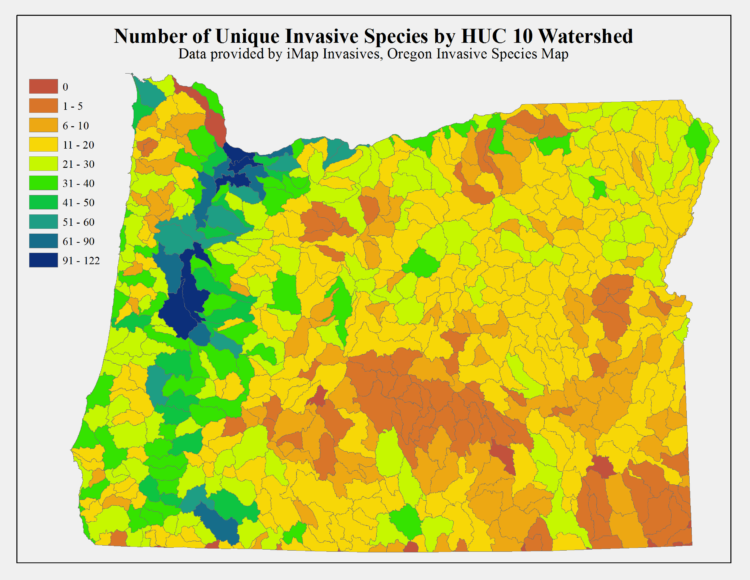
Web-based information portals are an important tool for invasive data reporting and sharing. iMap Invasives is an online tool that allows users to report invasive species findings, and provides information on invasive species distribution, treatment efforts and effectiveness, and areas where invasive species were searched for but were not found. The Oregon Invasive Species Council also has an online reporting and sharing tool. iNaturalist, a community based online species identification system and occurrence recording tool, is another resource that can enhance verifiable data collection from the public.
Action 3.3 Investigate innovative methods to reduce invasive species populations, and share this information broadly.
To improve the effectiveness of invasive species management strategies, research is needed to identify and test new or refined control methods. This could include a combination of physical, chemical, biological, and ecological approaches tailored to specific invasive species and ecosystems.
Stewards of natural habitats need to know how to remove invasive organisms that lower the productivity and value of land, alter ecosystem processes, and threaten native species. They also need to know what level of investment is appropriate, and which techniques are most suitable for each respective situation. Throughout Oregon, people are using a variety of methods to control individual invasive species with varying degrees of success.
Multiple site-appropriate control mechanisms (e.g., mechanical, chemical, and biological) should be evaluated to control individual invasive species. Increased coordination and communication are needed between researchers, agencies, tribes, watershed councils, county weed boards, and private landowners regarding what control methods work and under what conditions. Outreach materials should be developed to assist landowners and land managers in choosing the most appropriate techniques and how to best apply those techniques to their sites.
Currently, there is no known effective way to control some widespread invasive plants, such as cheatgrass (Bromus tectorum), medusahead (Taeniatherum caput-medusae), and false brome (Brachypodium sylvaticum). Research efforts to address these and other invasive species need to be supported and expanded.
Additional Resources
National Invasive Species Council
ODFW Invasive Species Resources
Western Basin Dreissenid Incident Response Toolkit
ODFW Prohibited and Controlled Fish, Mollusks, and Crustaceans
Oregon Administrative Rule 635-007-0620
ODA Insect Pest Prevention and Management
Global Invasive Species Database
Native American Fish and Wildlife Society Invasive Species Initiative
USFWS Invasive Species
USGS Nonindigenous Aquatic Species
Oregon DEQ Ballast Water and Invasive Species
BLM Oregon Invasive Species
BLM Oregon Wild Horse Program
100th Meridian Initiative
Oregon State University: Pacific Northwest Nursery Integrated Pest Management
Oregon Sea Grant: Invasive Species
Squeal on Pigs National Hotline
Prohibited Species Import Rules
Oregon Noxious Weed Profiles