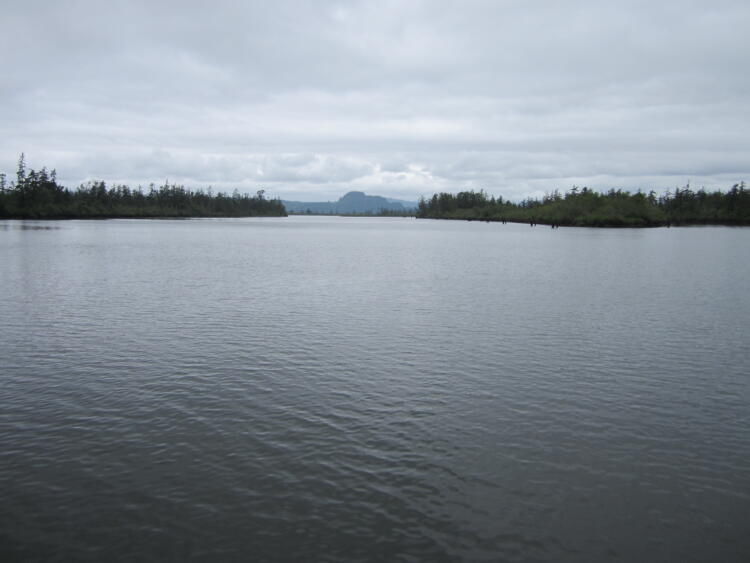
The Columbia River – Blind Slough Swamp COA (144 mi2) is an large area on the lower Columbia River Estuary which extends from just east of Tongue Point upstream to Crims Island. The area includes many islands on the Oregon side of the Columbia River, as well as the Lewis and Clark National Wildlife Refuge and portions of the Julia B. Hanson Refuge for The Columbian White-tailed Deer. This COA also includes the Blind Slough Swamp Preserve, which has some of the only remaining Sitka spruce swamplands in Oregon. In addition, there are many important tributary streams flowing into the Columbia in this area, including Mary’s Creek, Gnat Creek and Big Creek. This area provides critical habitat for many fish and wildlife species including migratory and wintering waterfowl, coho salmon, Columbian white-tailed deer, and many more. This COA creates a contiguous chunk of habitat along with the Clatsop State Forest-Jewel Meadows Area and Clatskanie River COAs.
Ecoregions
Key Habitats
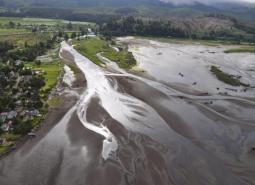
Estuaries
Estuaries are broadly defined as partially enclosed coastal bodies of tidally influenced water with one or more inputs of freshwater, and with a free or intermittent connection to the open sea. Estuaries typically occur at locations where freshwater from rivers, streams, or creeks meets saltwater from the nearshore ocean, creating a tidal basin that experiences frequent …
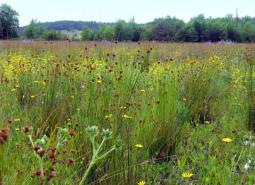
Grasslands
Grasslands include a variety of upland grass-dominated habitats, such as upland prairies, coastal bluffs, and montane grasslands.
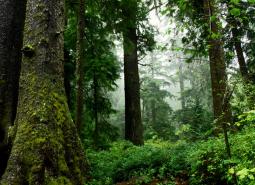
Late Successional Mixed Conifer Forests
Late successional mixed conifer forests provide a multi-layered tree canopy, including large-diameter trees, shade-tolerant tree species in the understory, and a high volume of dead wood, such as snags and logs.
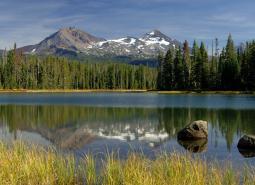
Natural Lakes
Natural lakes are relatively large bodies of freshwater surrounded by land that were formed through geological processes, such as glacial scouring, tectonic movements, volcanic activity and river meander cutoffs. In Oregon, natural lakes are defined as standing water bodies larger than 20 acres, including some seasonal lakes. Depth is not a reference for characterization of …
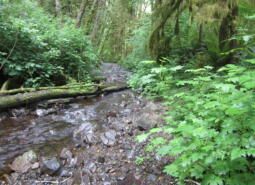
Flowing Water and Riparian Habitats
Flowing Water and Riparian Habitats include all naturally occurring flowing freshwater streams and rivers throughout Oregon as well as the adjacent riparian habitat.
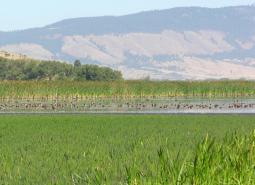
Wetlands
Wetlands are habitats that are inundated or saturated by surface water or ground water at a frequency and duration sufficient to support vegetation typically adapted for life in sodden soil conditions. While dominated by periods of inundation, the natural ecological cycle may also include dry intervals. Permanently wet habitats include backwater sloughs, oxbow lakes, peatlands, …
Species of Greatest Conservation Need
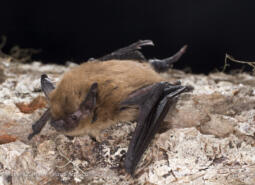
California Myotis (Modeled Habitat)
Myotis californicus
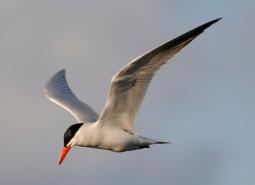
Caspian Tern (Observed)
Hydroprogne caspia
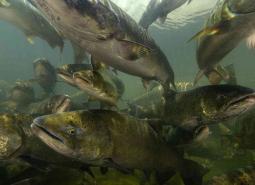
Chinook Salmon (Documented)
Oncorhynchus tshawytscha
Chinook Salmon (Documented)
Oncorhynchus tshawytscha
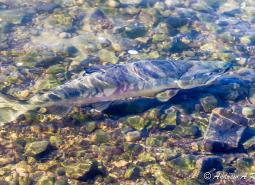
Chum Salmon (Documented)
Oncorhynchus keta
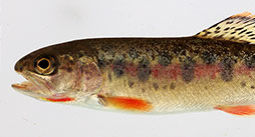
Coastal Cutthroat Trout (Documented)
Oncorhynchus clarki clarki
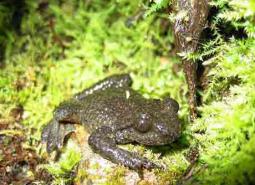
Coastal Tailed Frog (Observed)
Ascaphus truei
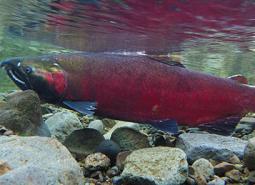
Coho Salmon (Documented)
Oncorhynchus kisutch
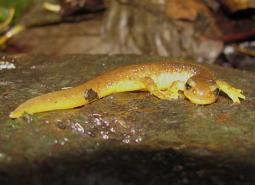
Columbia Torrent Salamander (Modeled Habitat)
Rhyacotriton kezeri
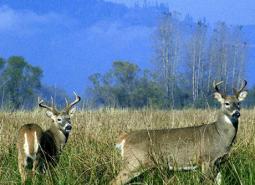
Columbian White-tailed Deer (Observed)
Odocoileus virginianus leucurus
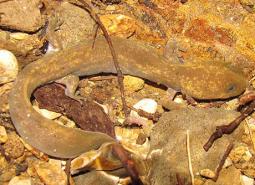
Cope’s Giant Salamander (Modeled Habitat)
Dicamptodon copei

Fork-tailed Storm-Petrel (Modeled Habitat)
Oceanodroma furcata
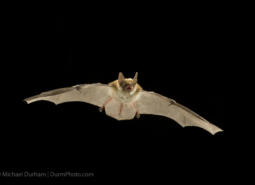
Fringed Myotis (Modeled Habitat)
Myotis thysanodes
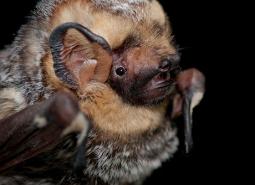
Hoary Bat (Modeled Habitat)
Lasiurus cinereus
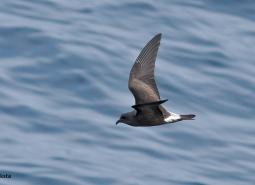
Leach’s Storm-Petrel (Modeled Habitat)
Hydrobates leucorhoa
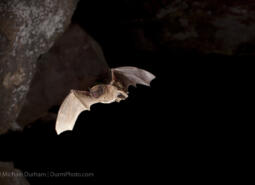
Long-legged Myotis (Modeled Habitat)
Myotis volans
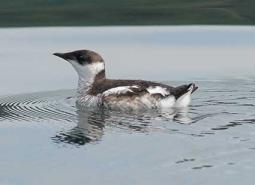
Marbled Murrelet (Observed)
Brachyramphus marmoratus
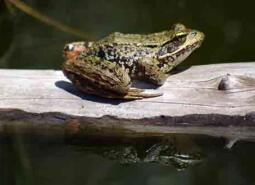
Northern Red-legged Frog (Observed)
Rana aurora
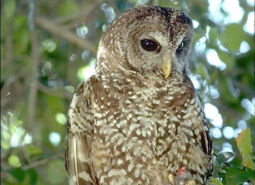
Northern Spotted Owl (Observed)
Strix occidentalis caurina
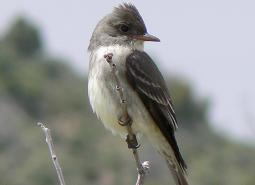
Olive-sided Flycatcher (Observed)
Contopus cooperi
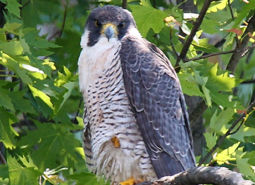
Peregrine Falcon (Observed)
Falco peregrinus anatum
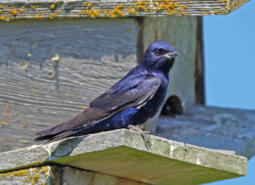
Western Purple Martin (Observed)
Progne subis arboricola
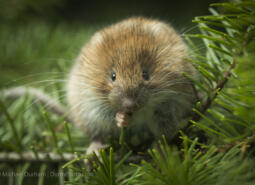
Red Tree Vole (Modeled Habitat)
Arborimus longicaudus
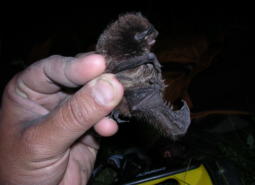
Silver-haired Bat (Modeled Habitat)
Lasionycteris noctivagans
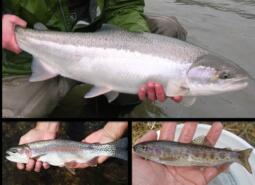
Steelhead / Rainbow / Redband Trout (Documented)
Oncorhynchus mykiss ssp
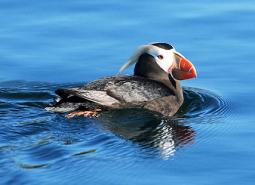
Tufted Puffin (Observed)
Fratercula cirrhata
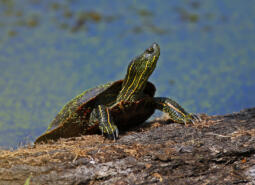
Western Painted Turtle (Observed)
Chrysemys picta belli
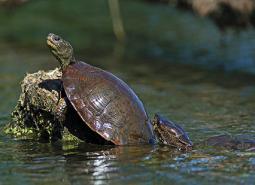
Northwestern Pond Turtle (Observed)
Actinemys marmorata
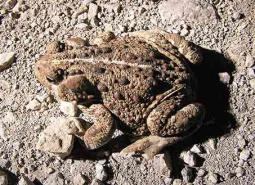
Western Toad (Modeled Habitat)
Anaxyrus boreas