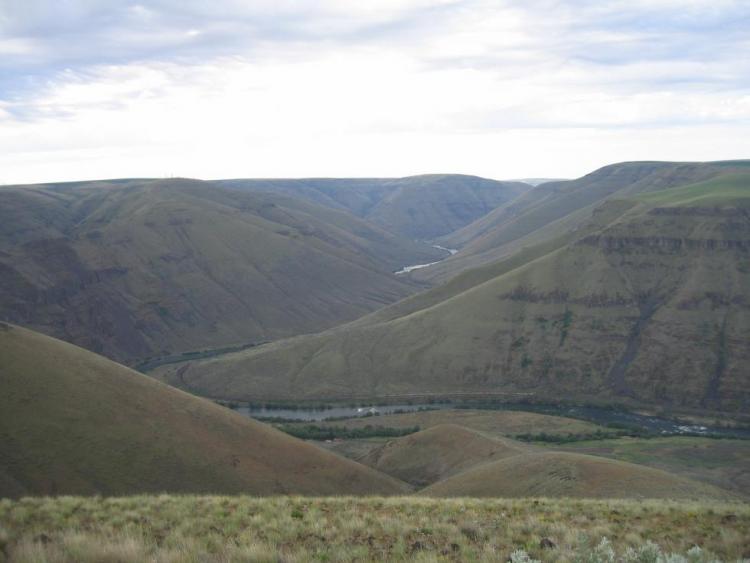
Mainly located on the Warms Springs Reservation, this narrow COA includes a section of the Deschutes River from above the confluence with the Warms Springs River, north to approximately 1.5 miles below White Horse Rapids. From east to west the COA runs from the east side of the Deschutes River, adjacent to White Horse rapids, and winds west to end just south of Shaniko Butte.
Ecoregions
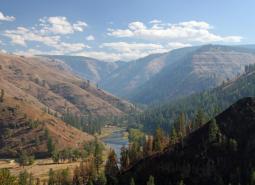
Blue Mountains
Located in NE Oregon, the Blue Mountains ecoregion is the largest ecoregion in the state. It provides a diverse complex of mountain ranges, valleys, and plateaus that extend beyond Oregon into the states of Idaho and Washington.
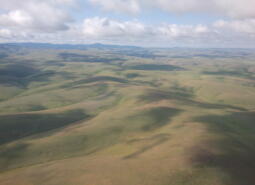
Columbia Plateau
The Columbia Plateau ecoregion was shaped by cataclysmic floods and large deposits of wind-borne silt and sand earlier in its geological history. It is dominated by a rolling landscape of arid lowlands dissected by several important rivers, and extends from the eastern slopes of the Cascades Mountains, south and east from the Columbia River to the Blue Mountains.
Key Habitats
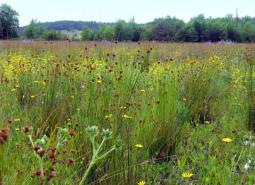
Grasslands
Grasslands include a variety of upland grass-dominated habitats, such as upland prairies, coastal bluffs, and montane grasslands.
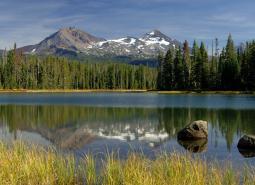
Natural Lakes
Natural lakes are relatively large bodies of freshwater surrounded by land that were formed through geological processes, such as glacial scouring, tectonic movements, volcanic activity and river meander cutoffs. In Oregon, natural lakes are defined as standing water bodies larger than 20 acres, including some seasonal lakes. Depth is not a reference for characterization of …
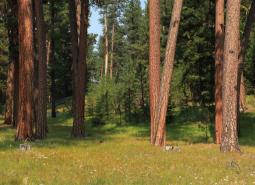
Ponderosa Pine Woodlands
Ponderosa pine woodlands are common in Oregon’s eastside ecoregions. While dominated by ponderosa pine, these woodlands may also have lodgepole pine, western juniper, aspen, western larch, grand fir, Douglas-fir, mountain mahogany, incense cedar, sugar pine, or white fir, depending on ecoregion and site conditions. Known for their open forest structure, these woodlands generally have fewer …
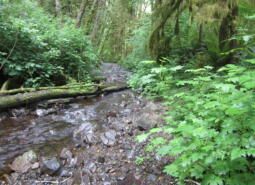
Flowing Water and Riparian Habitats
Flowing Water and Riparian Habitats include all naturally occurring flowing freshwater streams and rivers throughout Oregon as well as the adjacent riparian habitat.
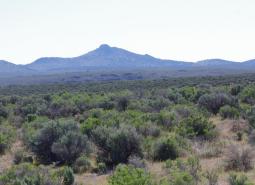
Sagebrush Habitats
Sagebrush habitats include all sagebrush steppe- and shrubland-dominated communities found east of the Cascade Mountains.
Species of Greatest Conservation Need
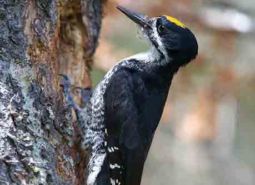
Black-backed Woodpecker (Modeled Habitat)
Picoides arcticus
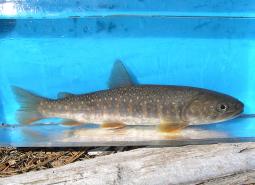
Bull Trout (Documented)
Salvelinus confluentus
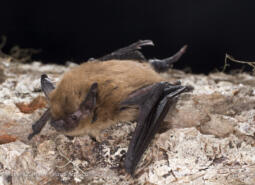
California Myotis (Modeled Habitat)
Myotis californicus
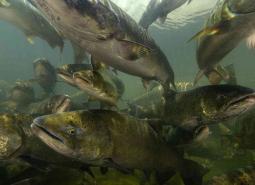
Chinook Salmon (Documented)
Oncorhynchus tshawytscha
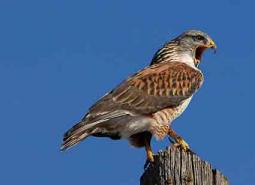
Ferruginous Hawk (Observed)
Buteo regalis
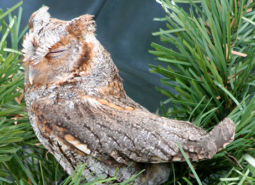
Flammulated Owl (Modeled Habitat)
Psiloscops flammeolus
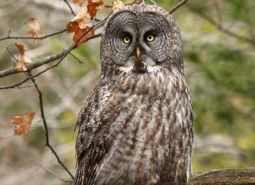
Great Gray Owl (Modeled Habitat)
Strix nebulosa
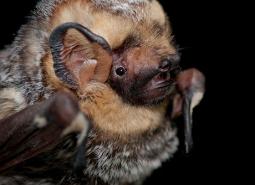
Hoary Bat (Modeled Habitat)
Lasiurus cinereus
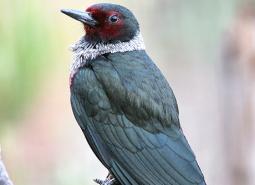
Lewis’s Woodpecker (Observed)
Melanerpes lewis
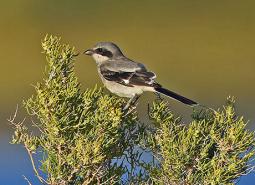
Loggerhead Shrike (Modeled Habitat)
Lanius ludovicianus
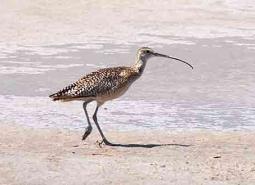
Long-billed Curlew (Modeled Habitat)
Numenius americanus
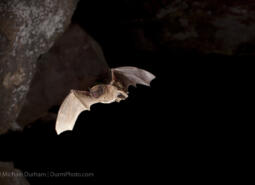
Long-legged Myotis (Modeled Habitat)
Myotis volans
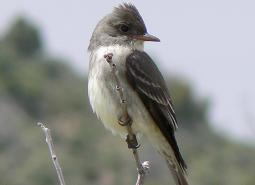
Olive-sided Flycatcher (Modeled Habitat)
Contopus cooperi
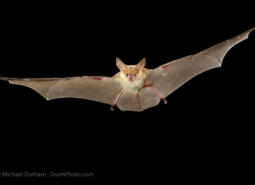
Pallid Bat (Modeled Habitat)
Antrozous pallidus
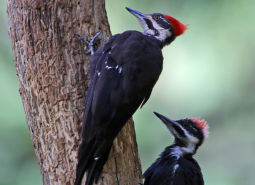
Pileated Woodpecker (Modeled Habitat)
Dryocopus pileatus
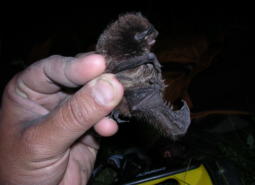
Silver-haired Bat (Modeled Habitat)
Lasionycteris noctivagans
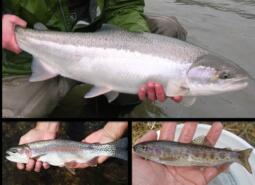
Steelhead / Rainbow / Redband Trout (Documented)
Oncorhynchus mykiss ssp
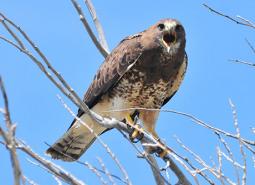
Swainson’s Hawk (Modeled Habitat)
Buteo swainsoni
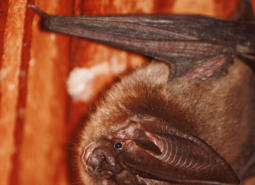
Townsend’s Big-eared Bat (Modeled Habitat)
Corynorhinus townsendii
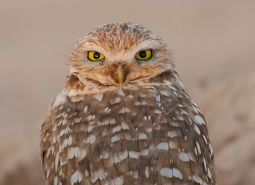
Western Burrowing Owl (Modeled Habitat)
Athene cunicularia hypugaea
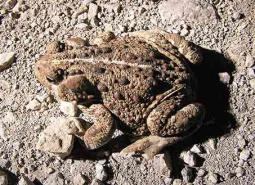
Western Toad (Modeled Habitat)
Anaxyrus boreas

White-headed Woodpecker (Modeled Habitat)
Dryobates albolarvatus albolarvatus