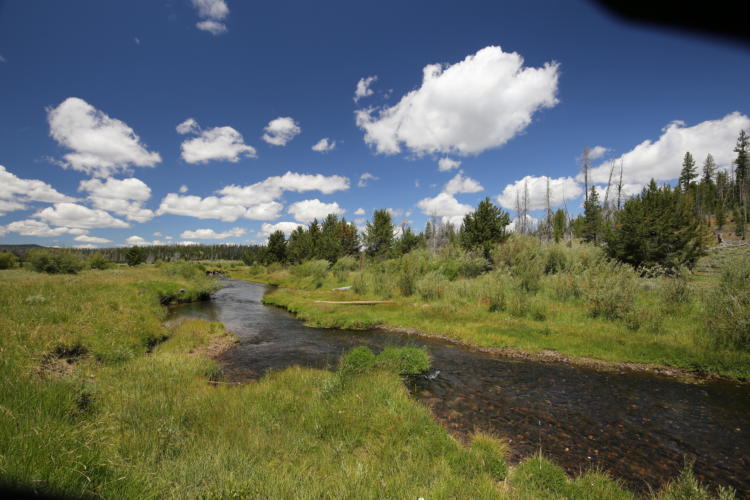
Area covers the Sycan River and surrounding area just east of Sycan Marsh
Ecoregions
Key Habitats
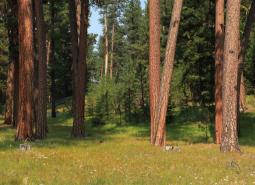
Ponderosa Pine Woodlands
Ponderosa pine woodlands are common in Oregon’s eastside ecoregions. While dominated by ponderosa pine, these woodlands may also have lodgepole pine, western juniper, aspen, western larch, grand fir, Douglas-fir, mountain mahogany, incense cedar, sugar pine, or white fir, depending on ecoregion and site conditions. Known for their open forest structure, these woodlands generally have fewer …
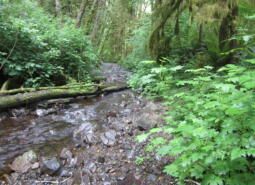
Flowing Water and Riparian Habitats
Flowing Water and Riparian Habitats include all naturally occurring flowing freshwater streams and rivers throughout Oregon as well as the adjacent riparian habitat.
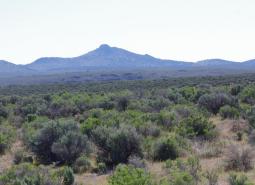
Sagebrush Habitats
Sagebrush habitats include all sagebrush steppe- and shrubland-dominated communities found east of the Cascade Mountains.
Species of Greatest Conservation Need

American Pika (Modeled Habitat)
Ochotona princeps
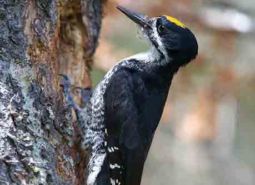
Black-backed Woodpecker (Observed)
Picoides arcticus
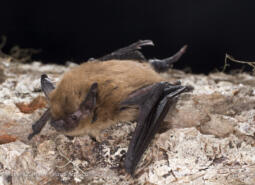
California Myotis (Modeled Habitat)
Myotis californicus
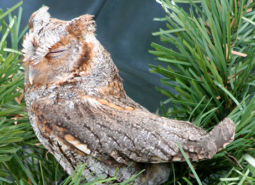
Flammulated Owl (Modeled Habitat)
Psiloscops flammeolus
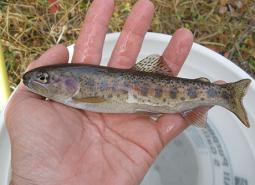
Great Basin Redband Trout (Documented)
Oncorhynchus mykiss newberrii
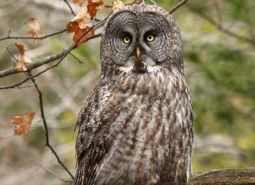
Great Gray Owl (Observed)
Strix nebulosa
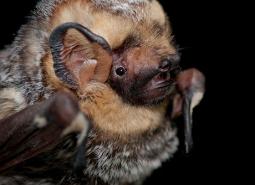
Hoary Bat (Modeled Habitat)
Lasiurus cinereus
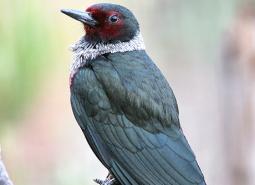
Lewis’s Woodpecker (Observed)
Melanerpes lewis
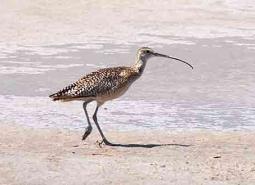
Long-billed Curlew (Modeled Habitat)
Numenius americanus
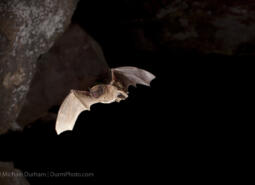
Long-legged Myotis (Modeled Habitat)
Myotis volans
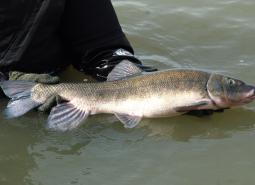
Lost River Sucker (Documented)
Deltistes luxatus
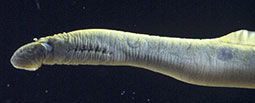
Miller Lake Lamprey (Documented)
Entosphenus minimus
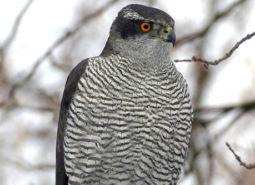
American Goshawk (Observed)
Accipiter atricapillus
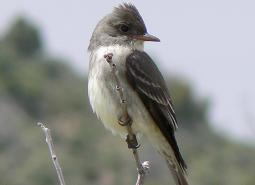
Olive-sided Flycatcher (Observed)
Contopus cooperi
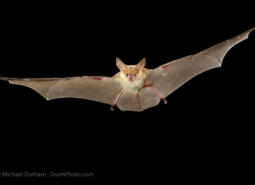
Pallid Bat (Modeled Habitat)
Antrozous pallidus
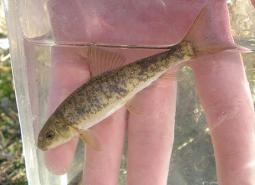
Shortnose Sucker (Documented)
Chasmistes brevirostris
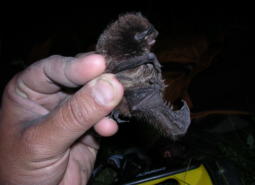
Silver-haired Bat (Modeled Habitat)
Lasionycteris noctivagans
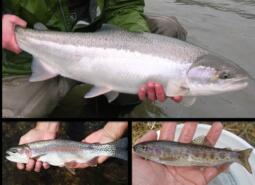
Steelhead / Rainbow / Redband Trout (Documented)
Oncorhynchus mykiss ssp
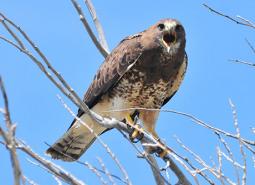
Swainson’s Hawk (Observed)
Buteo swainsoni
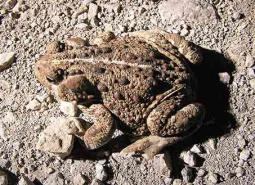
Western Toad (Observed)
Anaxyrus boreas

White-headed Woodpecker (Modeled Habitat)
Dryobates albolarvatus albolarvatus
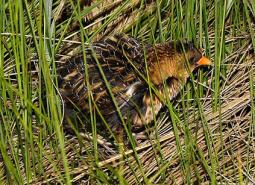
Yellow Rail (Modeled Habitat)
Coturnicops noveboracensis