
Area includes the Warm Springs River (a tributary to the Deschutes River) and surrounding habitat. River flows eastward with headwaters in the Cascade Crest
Ecoregions
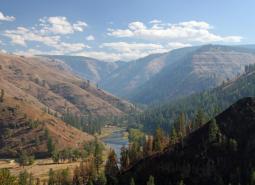
Blue Mountains
Located in NE Oregon, the Blue Mountains ecoregion is the largest ecoregion in the state. It provides a diverse complex of mountain ranges, valleys, and plateaus that extend beyond Oregon into the states of Idaho and Washington.
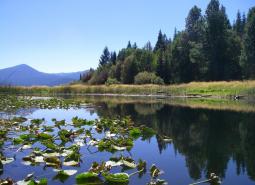
East Cascades
The East Cascade ecoregion extends from the Cascade Mountains' summit east to the warmer, drier high desert and down the length of the state. This ecoregion varies dramatically from its cool, moist border with the West Cascades ecoregion to its dry eastern border, where it meets sagebrush desert landscapes.
Key Habitats
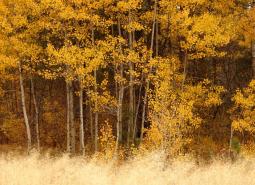
Aspen Woodlands
Aspen (Populus tremuloides) woodlands are woodland and/or forest communities dominated by aspen trees with a forb, grass, and/or shrub understory. Aspen woodlands also occur within conifer forests.
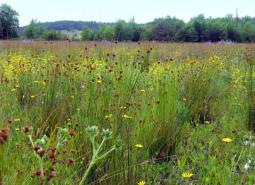
Grasslands
Grasslands include a variety of upland grass-dominated habitats, such as upland prairies, coastal bluffs, and montane grasslands.
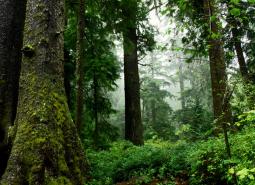
Late Successional Mixed Conifer Forests
Late successional mixed conifer forests provide a multi-layered tree canopy, including large-diameter trees, shade-tolerant tree species in the understory, and a high volume of dead wood, such as snags and logs.
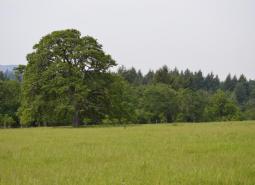
Oak Habitats
There are several oak habitat types in Oregon, where oaks comprise most of the canopy. These can include oak woodlands, oak forest, oak chaparral, and riparian oak. Oak savanna is covered in the Grasslands Key Habitat. Oaks may also co-dominate a canopy in oak/fir, oak pine, and oak hardwood habitats.
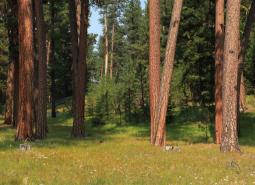
Ponderosa Pine Woodlands
Ponderosa pine woodlands are common in Oregon’s eastside ecoregions. While dominated by ponderosa pine, these woodlands may also have lodgepole pine, western juniper, aspen, western larch, grand fir, Douglas-fir, mountain mahogany, incense cedar, sugar pine, or white fir, depending on ecoregion and site conditions. Known for their open forest structure, these woodlands generally have fewer …
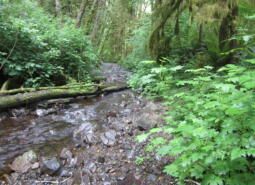
Flowing Water and Riparian Habitats
Flowing Water and Riparian Habitats include all naturally occurring flowing freshwater streams and rivers throughout Oregon as well as the adjacent riparian habitat.
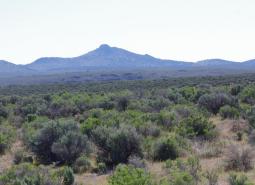
Sagebrush Habitats
Sagebrush habitats include all sagebrush steppe- and shrubland-dominated communities found east of the Cascade Mountains.
Species of Greatest Conservation Need
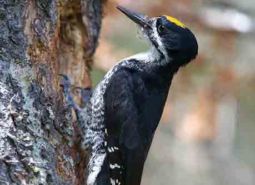
Black-backed Woodpecker (Modeled Habitat)
Picoides arcticus
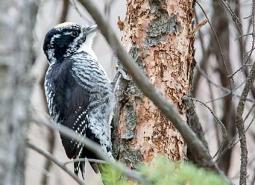
American Three-toed Woodpecker (Observed)
Picoides dorsalis
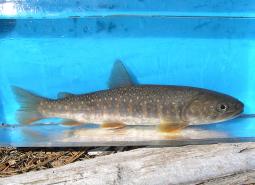
Bull Trout (Documented)
Salvelinus confluentus
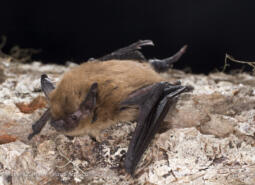
California Myotis (Modeled Habitat)
Myotis californicus
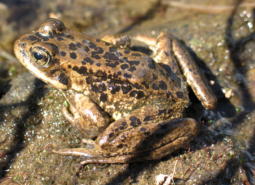
Cascades Frog (Modeled Habitat)
Rana cascadae
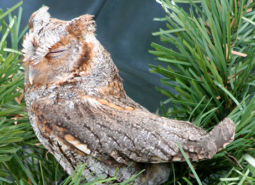
Flammulated Owl (Modeled Habitat)
Psiloscops flammeolus
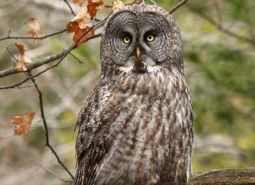
Great Gray Owl (Modeled Habitat)
Strix nebulosa
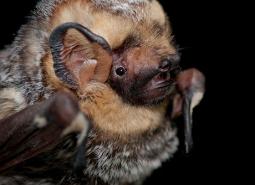
Hoary Bat (Modeled Habitat)
Lasiurus cinereus
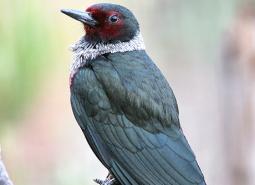
Lewis’s Woodpecker (Modeled Habitat)
Melanerpes lewis
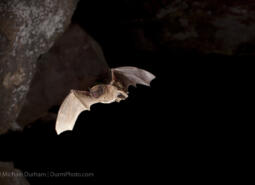
Long-legged Myotis (Modeled Habitat)
Myotis volans
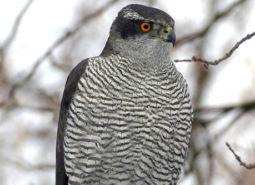
American Goshawk (Modeled Habitat)
Accipiter atricapillus
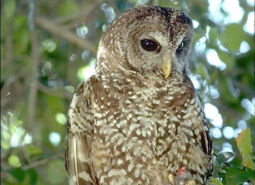
Northern Spotted Owl (Observed)
Strix occidentalis caurina
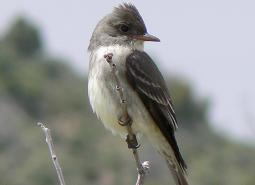
Olive-sided Flycatcher (Modeled Habitat)
Contopus cooperi
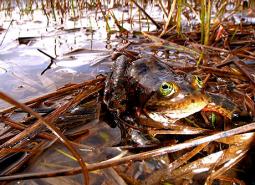
Oregon Spotted Frog (Modeled Habitat)
Rana pretiosa
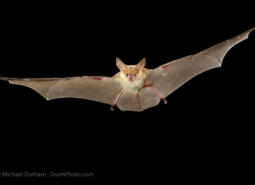
Pallid Bat (Modeled Habitat)
Antrozous pallidus

American Pika (Modeled Habitat)
Ochotona princeps
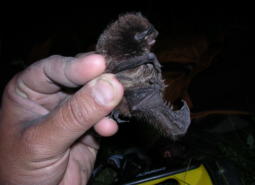
Silver-haired Bat (Modeled Habitat)
Lasionycteris noctivagans
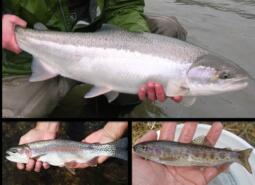
Steelhead / Rainbow / Redband Trout (Documented)
Oncorhynchus mykiss ssp
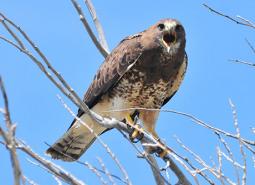
Swainson’s Hawk (Modeled Habitat)
Buteo swainsoni
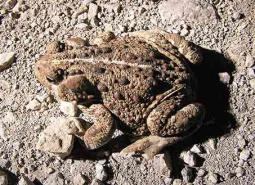
Western Toad (Modeled Habitat)
Anaxyrus boreas

White-headed Woodpecker (Modeled Habitat)
Dryobates albolarvatus albolarvatus