Oregon is an intersection of landscapes, cultures, and communities. From its dramatic oceans and lush forests to high desert plateaus and urban centers, Oregon offers something for everyone. Across the landscape, people share a commitment to keep Oregon a place where people and wildlife thrive. They are working to steward Oregon’s ecosystems to restore and preserve Oregon’s vibrant habitats for fish, wildlife, and people. Landscape-scale conservation recognizes the importance of large, interconnected land- and seascapes to maintaining biodiversity, and considers the needs of wildlife, ecological processes, and human communities holistically to achieve benefits for both the environment and people.
Oregon’s ocean, geology, soil, and climate give rise to an extraordinary variety of species and habitats. The land and ocean also sustain communities through agriculture, mariculture, commercial fishing, shipping, timber, ranching, outdoor recreation, and industry. Whether you’re hiking in the forest, fishing for salmon in the ocean or a river, or enjoying a city park, the health of Oregon’s natural systems enhances every experience.
Urban and rural landscapes alike hold rich potential for wildlife and people. Even within city boundaries, Oregon hosts oak woodlands, grasslands, riparian areas, and forests that support everything from migrating salmon to songbirds and pollinators. The Columbia and Willamette Rivers, lifelines for both fish and people, flow through our biggest cities, connecting natural systems with daily life.
However, there are significant challenges to maintaining Oregon’s fish and wildlife populations and their habitats. Expanding urbanization, infrastructure, and intensive land use are fragmenting habitats and reducing the capacity of ecosystems to provide the services that define Oregon’s history, culture, and economy. While not all land conversion results in habitat loss, construction, road development, and river alteration can isolate fish and wildlife habitats and reduce biodiversity. Across the landscape, all kinds of people are in unique positions to contribute to conservation in Oregon by leveraging their specific situations and abilities from Oregon’s bustling cities to its awe-inspiring natural and working lands and waters.
Urban Conservation
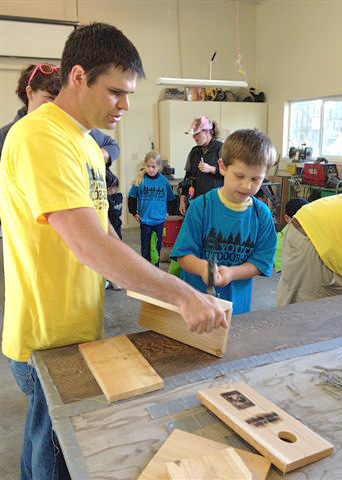
Urban areas, while often seen as barriers to conservation, hold untapped potential. These spaces are mosaics of both built environments and natural habitat. With smart planning and inclusive engagement, urban landscapes can be transformed into functional habitats that serve both people and wildlife—places where conservation and community meet.
Many of Oregon’s cities, like Portland, Bend, and Eugene, have made strong strides in protecting fish and wildlife through parks, greenspaces, and thoughtful land use planning. As an example, Portland is recognized nationally for its urban natural resource planning. These efforts not only support habitat and connectivity but also help connect people with nature, fostering greater awareness and support for conservation.
Many different habitats are found in urban areas, including oak woodlands and savannas, urban wetlands, native grasslands and sagebrush, bottomland hardwood forests, and coniferous forests. Urban rivers, streams, wetlands, and the surrounding areas support salmon and trout as well as other native fish, and a host of amphibians, reptiles, mammals, birds, and invertebrates.
Rural Conservation
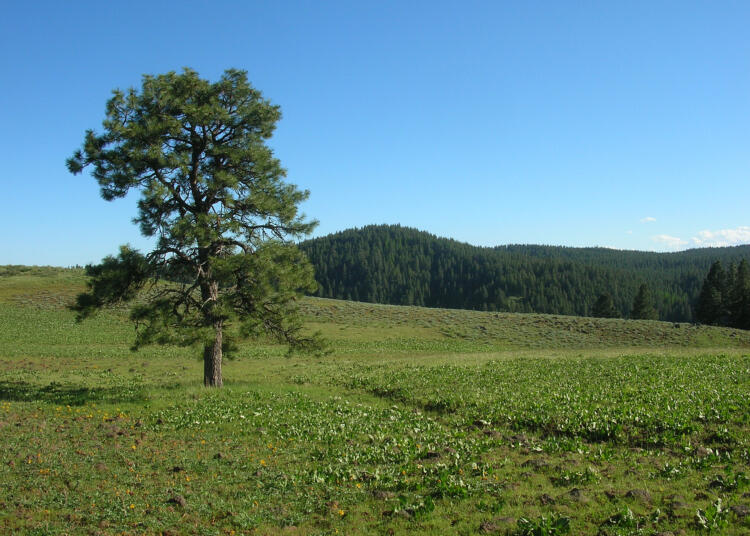
Oregon’s natural and working lands and waters, spanning forests, rangelands, wetlands, farmlands, estuaries, and nearshore waters, form the foundation of the state’s ecological health, cultural identity, and rural economy. These lands and waters support biodiversity, regulate water and air quality, store carbon, and provide food, lumber, and habitat. They are home to diverse ecosystems such as sagebrush steppe, oak savannah, and coastal estuaries, which sustain fish and wildlife populations and serve as critical buffers against the impacts of climate change. Working lands, including farms and ranches, are often managed in ways that support conservation values while contributing to local economies and food systems. Natural and working lands and waters represent vital spaces that must be protected and stewarded to maintain Oregon’s resilience and quality of life for future generations.
The Importance of Landscape-Scale Conservation
Landscape-scale conservation is essential for maintaining the ecological function and connectivity of Oregon’s diverse systems, made even more vital by the workload that is often placed on our working lands. Conservation at this scale enables habitat corridors, supports wide-ranging species, and improves ecosystem services such as pollination, water infiltration, and wildfire resistance. It also ensures that natural processes, like fire regimes and water movement, operate within functioning ecological boundaries, rather than being fragmented by jurisdictional or land use divisions. Coordinated, landscape-scale efforts help build climate resilience by connecting intact habitats, supporting species adaptation, supporting soil health, and enabling landowners and communities to implement conservation strategies that benefit both the environment and the economy. Protecting Oregon’s natural and working lands through a landscape-scale lens is critical to sustaining the state’s ecological integrity, cultural heritage, and climate goals.
The Importance of Diversity in Conservation
Across the landscape, Oregon is becoming increasingly culturally, racially, and ethnically diverse. To truly care for Oregon’s lands and waters, conservation efforts must reflect and include all communities. This means addressing the unequal distribution of environmental burdens and ensuring that all people have access to the outdoors and the benefits like clean water and air it provides.
More than 200 years of settler colonialism and systemic racism have shaped who has access to Oregon’s environmental resources. Today, we have the opportunity, and responsibility, to change that. Environmental justice must be central to our conservation efforts, ensuring that everyone feels a sense of belonging and stewardship in Oregon’s natural spaces.
Protecting and restoring Oregon’s fish, wildlife, invertebrates, plants and their habitats is essential to maintaining healthy ecosystems and preserving the natural systems that support all Oregonians.
WHO IS THIS CONSERVATION TOOLBOX FOR?
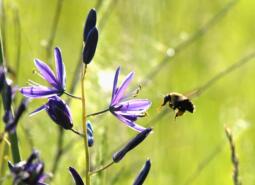
ACTIONS BY URBAN AND SUBURBAN OREGONIANS
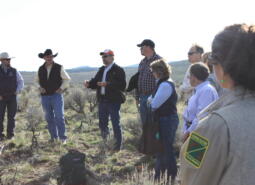
ACTIONS BY RURAL OREGONIANS
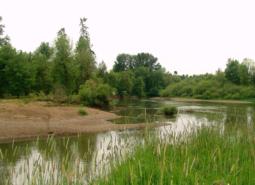
ACTIONS BY ALL OREGONIANS AT THE WATERSHED SCALE
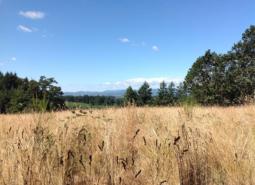
GOALS AND ACTIONS FOR STATE, LOCAL, TRIBAL, AND FEDERAL GOVERNMENTS, NONPROFITS, AND COMMUNITY-BASED ORGANIZATIONS TO ENGAGE ALL OREGONIANS