Overview
Key Conservation Issues (KCIs) are large-scale conservation issues or threats that affect or potentially affect numerous species and habitats over large landscapes and seascapes throughout the state. These issues also affect people by reducing land productivity, limiting opportunities for recreation, altering water supplies, or increasing the risk of severe wildfires. These problems span large areas and must be considered across jurisdictional and ownership boundaries. This section of the State Wildlife Action Plan describes the seven KCIs affecting Oregon and outlines the recommended conservation goals and actions needed to address them.
Each KCI provides an overview of the statewide threat and information on recommended actions. The background text serves as a starting point for agencies and organizations working on these issues, helping them chart a course to address and adapt to these issues over the coming decade. The background text also provides information to landowners, natural resource managers, and individuals looking for ideas and rationale for conservation actions.
Many of the KCIs are highly interconnected. For example, changes in fire and flood regimes often happen when land is developed for new communities. Invasive species can be spread as more people move into new areas and can intensify wildfire risk. Climate change acts as a threat multiplier, exacerbating many other issues that impact Oregon’s landscapes. How these issues play out over the coming decade will be influenced by changes in Oregon’s community development patterns, population growth, policy development, and conservation and restoration activities.
For all recommended actions, implementation will depend on cooperative efforts by a variety of entities and may be contingent on funding, statutory authority, and other factors. Actions need to be compatible with local priorities, local comprehensive plans, land use ordinances, and applicable local, state, or federal laws. Actions on federal lands must go through federal planning processes prior to implementation to ensure consistency with existing plans and management objectives for the area. Many of these actions are already underway and should be continued or expanded, while others represent new initiatives.
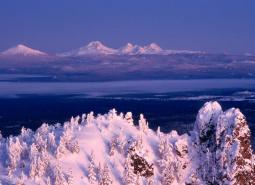
Climate Change
Changes in climate influence habitats for fish and wildlife, and affects the fundamental conditions in which species can exist. Climate change can also affect landscape conditions like wildfires, flooding, drought, coastal erosion, landslides, and invasive species.
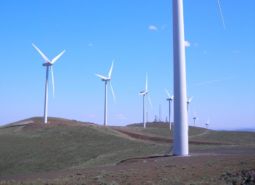
Land Use Changes
Human presence has always altered the shape, appearance, and function of ecosystems. The Conservation Strategy promotes compatible actions and goals that address urbanization and energy development, while being mindful of species conservation needs.
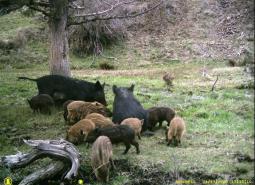
Invasive Species
The impact of invasive species is a serious problem to species and habitat conservation across this United States. Many non-native invaders occur in Oregon causing serious economic and environmental harm. This section addresses invasive species that are a concern in Oregon and promotes the framework for action to avoid, eliminate, or reduce risks to our native wildlife species.

Disruption of Disturbance Regimes
Natural disturbances in the environment shape Oregon's landscapes by resetting plant succession creating new habitats, and maintaining native habitats such as grasslands and savanna. The recommended approach in the Conservation Strategy is to restore or mimic fire and flooding disturbance regimes to benefit fish and wildlife and reduce risks to people.
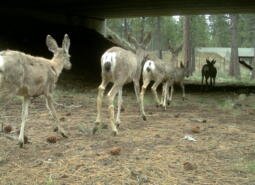
Barriers to Animal Movement
Mobility of many species across the landscape is crucial for them to survive and reproduce successfully. Human-caused changes to the landscape can seriously impact the ability of fish and wildlife to move across terrestrial landscapes or along aquatic habitats by adding obstacles, impacting critical stopover sites, and increasing habitat fragmentation.

Water Quality and Quantity
The goal of this section is to maintain and restore water quality and quantity to support native fish and wildlife and habitats in balance with the economic and social needs of rural and urban communities. The Conservation Strategy promotes and encourages goals and actions to safeguard Oregon's priority species and their habitats, and outlines the challenges and opportunities.
Pollution
BACKGROUND Pollution comes in many forms, threatening fish, wildlife, habitats, and human health. Pollutants can impact soil and water quality, degrade habitat, cause physiological and behavioral impacts to fish and wildlife, increase susceptibility to disease, cause injury or mortality, and in severe cases, can make habitat unsuitable for fish and wildlife and unsafe for people. …
Recommended Actions for all Key Conservation Issues
The goal of this section is to maintain and restore water quality and quantity to support native fish and wildlife and habitats in balance with the economic and social needs of rural and urban communities. The Conservation Strategy promotes and encourages goals and actions to safeguard Oregon's priority species and their habitats, and outlines the challenges and opportunities.