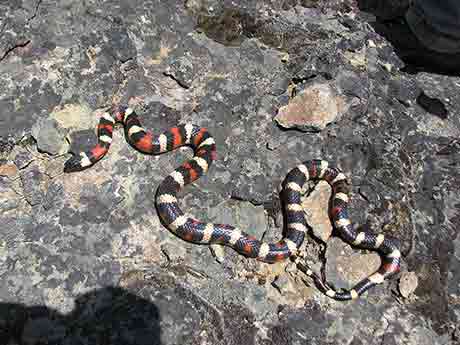
California mountain kingsnakes are slender-bodied, medium sized snakes with approximately equivalent head and body width. They have a black snout and dark brown eyes. Coloration consists of bold red, black, and white rings, where red is always bordered on both sides by black rings. Although their coloration may resemble some venomous species as a defense against predation, California mountain kingsnakes are harmless. Knowledge of their biology is limited. They occupy moist oak and pine forests and chaparral habitats up to 3000’ elevation. California mountain kingsnakes are seldom observed and spend much of their time under cover objects. Adults are usually 30 inches in length but may reach 40 inches. Females lay 3–8 eggs in June or July with about 60 days incubation; offspring range from 7 to 11 inches in length. Prey consists of reptiles, birds, and small mammals.
Overview
- Species Common Name California Mountain Kingsnake
- Species Scientific Name Lampropeltis zonata
- Federal Listing Status Species of Concern
- State Listing Status Sensitive
Ecoregions
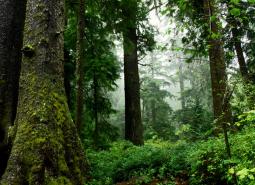
Coast Range
Oregon's Coast Range, known for its dramatic scenery, is extremely diverse, with habitats ranging from open sandy dunes to lush forests and from tidepools to headwater streams. It follows the coastline and extends east through coastal forest to the border of the Willamette Valley and Klamath Mountains ecoregions
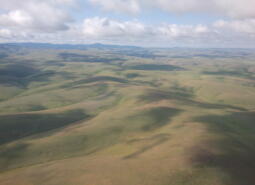
Columbia Plateau
The Columbia Plateau ecoregion was shaped by cataclysmic floods and large deposits of wind-borne silt and sand earlier in its geological history. It is dominated by a rolling landscape of arid lowlands dissected by several important rivers, and extends from the eastern slopes of the Cascades Mountains, south and east from the Columbia River to the Blue Mountains.
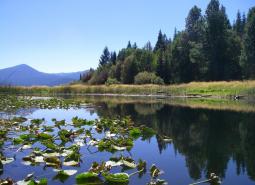
East Cascades
The East Cascade ecoregion extends from the Cascade Mountains' summit east to the warmer, drier high desert and down the length of the state. This ecoregion varies dramatically from its cool, moist border with the West Cascades ecoregion to its dry eastern border, where it meets sagebrush desert landscapes.
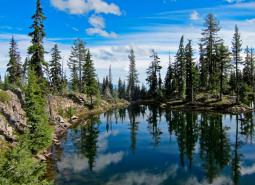
Klamath Mountains
The Klamath Mountains ecoregion covers much of southwestern Oregon, including the Klamath Mountains, Siskiyou Mountains, the interior valleys and foothills between these and the Cascade Range, and the Rogue and Umpqua river valleys. Several popular and scenic rivers run through the ecoregion, including the Umpqua, Rogue, Illinois, and Applegate rivers. Historically, this ecoregion is known …
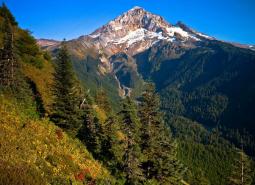
West Cascades
The West Cascades ecoregion extends from east of the Cascade Mountains summit to the foothills of the Willamette, Umpqua, and Rogue Valleys, and spans the entire length of the state of Oregon. It is largely dominated by conifer forests, moving into alpine parklands and dwarf shrubs at higher elevations.