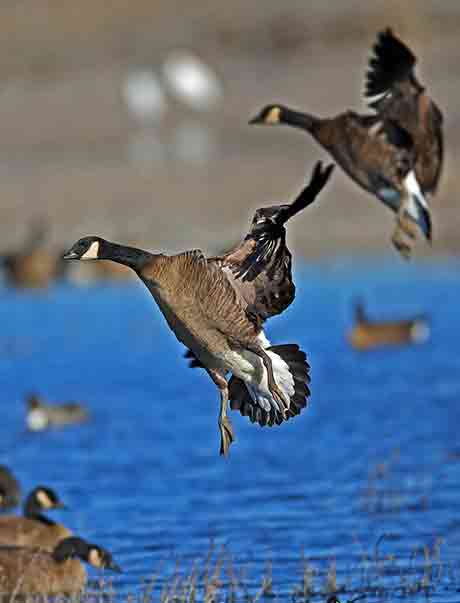
The Dusky Canada Goose (Branta canadensis occidentalis) is one of four subspecies of Canada Geese occurring in Oregon. They are a medium to large goose, with males averaging 3.2kg and are typically 18% heavier than females. Plumage is identical between the sexes. Unlike most other subspecies of Canada Geese, Dusky Canada Geese are characterized by very dark brown plumage, including the breast. Often the breast is so dark brown that differentiation between the breast and the black neck is difficult to discern in the field. Dusky Canada Geese principally breed on Alaska’s Copper River Delta and winter among the wetlands and agricultural fields Northwest Oregon and Southwest Washington.
Overview
- Species Common Name Dusky Canada Goose
- Species Scientific Name Branta canadensis occidentalis
- State Listing Status Sensitive
Ecoregions
Willamette Valley
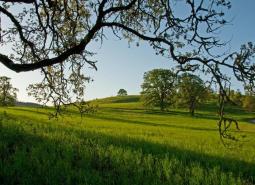
The Willamette Valley ecoregion is bounded on the west by the Coast Range and on the east by the Cascade Range. This long mostly level alluvial plain has some scattered areas of low basalt, and contrasts with productive farmland and large urban areas. It has the fastest-growing human population in the state resulting in challenges due to land-use changes.
Nearshore
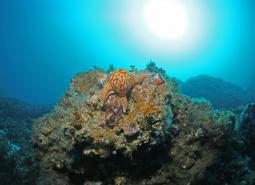
The Nearshore ecoregion includes a variety of habitats ranging from submerged high-relief rocky reefs to broad expanses of intertidal mudflats in estuaries and hosts a vast array of fish, invertebrates, marine mammals, birds, plants, and micro-organisms. This ecoregion encompasses the area from the outer boundary of Oregon's Territorial Sea to the supra-tidal zone, and up into the estuaries.