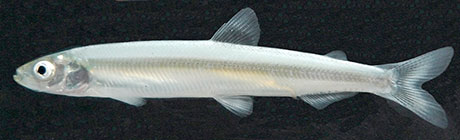
Eulachon are in the smelt family. They are small fish that are silvery-blue on their back and silver below. They have small black dots on their back and sometimes on their tail fin. They also have ridges on their gill plates. Eulachon are one of about 30 species of what are called forage fish, which are key components of the California Current Ecosystem. These forage fish eat plankton and are preyed upon by a wide variety of fishes, birds, and marine mammals. These species provide the key trophic link from primary and secondary production to higher tropic order consumers. Eulachon grow up to 10 inches long and weigh up to 5 ounces. Eulachon spawn in rivers sometime between December and June. Some rivers have yearly runs, while other rivers are only occasionally used. They spawn over sand or gravel. The eggs stick to the bottom once they are fertilized and usually hatch in about 2 to 4 weeks. The larvae then move quickly downstream to the ocean. Juvenile eulachon will school near the bottom in the ocean, while older eulachon tend to move to deeper waters over the continental shelf. Eulachon mature sometime between 2 and 4 years of age. Maturity seems to be size dependent, with fish generally growing more slowly and maturing later at higher latitudes. They often spawn within the tidal reaches of rivers but are known to go almost 100 miles up the Columbia River and into some of its tributaries to spawn. Stocks from each river system are thought to be genetically isolated. Eulachon sometimes mix with other small schooling forage fish, such as Northern Anchovy and Pacific Herring. All of these forage fish species are plankton eaters consuming both phytoplankton and zooplankton. Eulachon have been called candle fish, because their oily bodies will actually burn when dried. Spawning runs were an important seasonal food sources for some Native Americans.
Overview
- Species Common Name Eulachon
- Species Scientific Name Thaleichthys pacificus
- SMU/ ESU/ DPS/Subspecies Southern DPS
- Federal Listing Status Threatened
Ecoregions
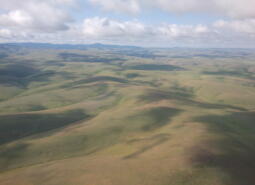
Columbia Plateau
The Columbia Plateau ecoregion was shaped by cataclysmic floods and large deposits of wind-borne silt and sand earlier in its geological history. It is dominated by a rolling landscape of arid lowlands dissected by several important rivers, and extends from the eastern slopes of the Cascades Mountains, south and east from the Columbia River to the Blue Mountains.
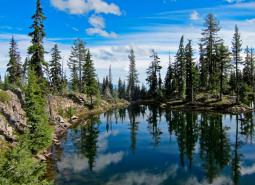
Klamath Mountains
The Klamath Mountains ecoregion covers much of southwestern Oregon, including the Klamath Mountains, Siskiyou Mountains, the interior valleys and foothills between these and the Cascade Range, and the Rogue and Umpqua river valleys. Several popular and scenic rivers run through the ecoregion, including the Umpqua, Rogue, Illinois, and Applegate rivers. Historically, this ecoregion is known …
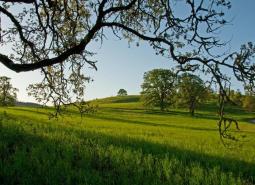
Willamette Valley
The Willamette Valley ecoregion is bounded on the west by the Coast Range and on the east by the Cascade Range. This long mostly level alluvial plain has some scattered areas of low basalt, and contrasts with productive farmland and large urban areas. It has the fastest-growing human population in the state resulting in challenges due to land-use changes.
Nearshore
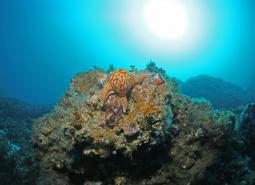
The Nearshore ecoregion includes a variety of habitats ranging from submerged high-relief rocky reefs to broad expanses of intertidal mudflats in estuaries and hosts a vast array of fish, invertebrates, marine mammals, birds, plants, and micro-organisms. This ecoregion encompasses the area from the outer boundary of Oregon's Territorial Sea to the supra-tidal zone, and up into the estuaries.