The Pinyon Jay is a highly social corvid found in the interior western United States. Its overall blue coloration, relatively short tail, pointed bill, and lack of a crest distinguish it from other jay species. The Pinyon Jay is a medium-sized bird; males and females have similar plumage, though males typically have a slightly deeper blue crown, brighter overall coloration, and larger bibs. Females tend to be smaller than males, although their measurements overlap.
The Pinyon Jay is pale, dull blue overall, with a gray-streaked bib on the throat, chin, and upper breast. Adults display pale gray-blue plumage with a purplish-blue iridescent crown and a lighter blue malar area. The bill and legs are black, and the iris is chocolate brown. These birds are highly social, cooperative breeders and are typically seen in flocks, which in Oregon can include up to 20–30 non-breeding individuals.
Overview
- Species Common Name Pinyon Jay
- Species Scientific Name Gymnorhinus cyanocephalus
- Federal Listing Status Proposed
- State Listing Status Sensitive (pending)
Ecoregions
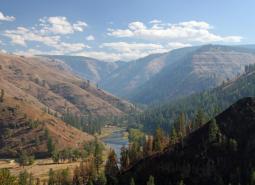
Blue Mountains
Located in NE Oregon, the Blue Mountains ecoregion is the largest ecoregion in the state. It provides a diverse complex of mountain ranges, valleys, and plateaus that extend beyond Oregon into the states of Idaho and Washington.

East Cascades
The East Cascade ecoregion extends from the Cascade Mountains' summit east to the warmer, drier high desert and down the length of the state. This ecoregion varies dramatically from its cool, moist border with the West Cascades ecoregion to its dry eastern border, where it meets sagebrush desert landscapes.
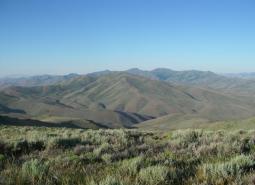
Northern Basin and Range
The Northern Basin and Range ecoregion covers the very large southeastern portion of the state, from Burns south to the Nevada border and from the Christmas Valley east to Idaho. It is largely a high elevation desert-like area dominated by sagebrush communities and habitats.