The shell of F. nuttalli is broadly conical, having a wide oval base and a smooth eccentric (off-center) apex. Adult size varies considerably in different-sized streams, but is generally around 10 to 11 mm. The shell color is described as opaque chestnut-brown, cinnamon-red, and rich brown. The shell shape is roundly ovate (elliptical in outline), slightly broader posteriorly, high-arched, apex posterior; finely concentrically striate (appearing striped due to fine concentric growth rings), and depressed conic. The collumellar muscle scar is interrupted on the right side. F. nuttalli has a strongly anteriorly displaced apex and an incomplete mantle attachment. No individuals have been seen with white spots or lines
Overview
- Species Common Name Shortface Lanx
- Species Scientific Name Fisherola nuttalli
Ecoregions
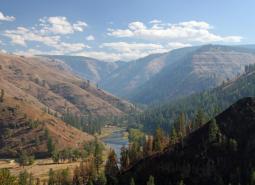
Blue Mountains
Located in NE Oregon, the Blue Mountains ecoregion is the largest ecoregion in the state. It provides a diverse complex of mountain ranges, valleys, and plateaus that extend beyond Oregon into the states of Idaho and Washington.
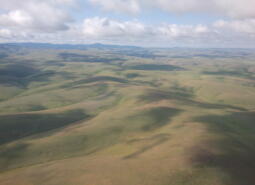
Columbia Plateau
The Columbia Plateau ecoregion was shaped by cataclysmic floods and large deposits of wind-borne silt and sand earlier in its geological history. It is dominated by a rolling landscape of arid lowlands dissected by several important rivers, and extends from the eastern slopes of the Cascades Mountains, south and east from the Columbia River to the Blue Mountains.
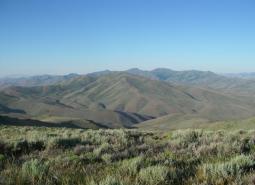
Northern Basin and Range
The Northern Basin and Range ecoregion covers the very large southeastern portion of the state, from Burns south to the Nevada border and from the Christmas Valley east to Idaho. It is largely a high elevation desert-like area dominated by sagebrush communities and habitats.
West Cascades
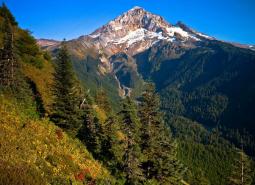
The West Cascades ecoregion extends from east of the Cascade Mountains summit to the foothills of the Willamette, Umpqua, and Rogue Valleys, and spans the entire length of the state of Oregon. It is largely dominated by conifer forests, moving into alpine parklands and dwarf shrubs at higher elevations.
Willamette Valley
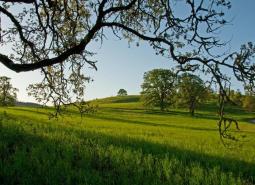
The Willamette Valley ecoregion is bounded on the west by the Coast Range and on the east by the Cascade Range. This long mostly level alluvial plain has some scattered areas of low basalt, and contrasts with productive farmland and large urban areas. It has the fastest-growing human population in the state resulting in challenges due to land-use changes.