The Western Bluebird (Sialia mexicana) is a cavity-nesting thrush is one of three bluebird species found only in North America. Previously abundant in western Oregon, the Western Bluebird suffered a precipitous decline through degradation of habitat and avian competition.
The male has a cobalt blue head and throat, blue wings and tail edged with dusky brown, russet breast and flanks, gray-blue belly and undertail coverts. Female colorations are subdued: head and throat gray, back gray-brown, wings and tail pale blue, breast and flanks pale russet. The amount and brightness of blue and russet are brighter on older birds.
Overview
Species Common Name Western Bluebird
Species Scientific NameSialia mexicana occidentalis
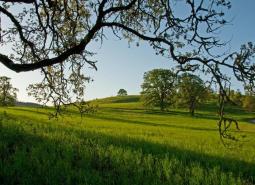
Western Bluebirds use grasslands and oak savannahs for foraging. They rely on cavities, typically in oak trees or artificial nest boxes, for nesting and scattered trees or shrubs as hunting perches.
Limiting factors
Western Bluebirds are threatened by habitat loss and degradation. In many areas, invasive non-native plants and the absence of natural fire regimes have negatively impacted habitat quality. They also face competition for nesting cavities from non-native bird species. Heavy predation by domestic cats, raccoons, and rodents adds additional pressure on populations. Western Bluebirds are also sensitive to diseases and parasites, which can further affect their survival and reproductive success.
Data gaps
• Evaluate the effects of contaminants (insecticides) on insectivorous bird species.
• Identify locations of natural cavity-nesting pairs and factors affecting their breeding success.
Conservation actions
• Maintain or restore grassland and oak savannah habitat.
• Maintain oaks >22 inches diameter at breast height.
• Retain snags and live trees with large, dead branches to improve availability of nest cavities.
• Maintain nest box programs for cavity habitat in the short-term; design and place nest boxes to minimize use by starlings.
• Brush/slash piles created as a result of management activities may provide limited, temporary habitat in young conifer forests.
• Maintain >20% combination of short, herbaceous vegetation and/or bare ground in breeding areas.
• Monitor and manage for understory vegetation diversity to support an abundance of invertebrate prey.
Key reference or plan
Land Manager’s Guide to Bird Habitat and Populations in Oak Ecosystems of the Pacific Northwest. Read here
Population and Habitat Objectives for Landbirds in Prairie, Oak, and Riparian Habitats of Western Oregon and Washington Version 2.0. Read here