Western rattlesnakes are heavy-bodied snakes with a slender neck and a broad, triangular head that is noticeably wider than their body. Adults have keeled scales and vertically elliptical pupils. Often, a prominent dark brown stripe below the eye angles to the back of the jaw. Overall, western rattlesnakes are typically light brown to greenish brown in color, with a pattern of darker squarish patches down their back and sides. Color variation reflects the environment a population is found in, helping them camouflage effectively. Juveniles look similar to adults, with a higher contrast pattern and a single button rattle. The longest western rattlesnake recorded grew over five feet long, but in Oregon, adults average only 24 inches in length. There are no other rattlesnake species in Oregon. Two subspecies of Western Rattlesnake occur in Oregon. While western rattlesnakes are found in many locations in Oregon, they are most at risk in the Willamette Valley where habitat lost and historical persecution has dramatically reduced the population.
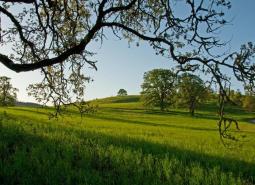
Western rattlesnakes in Western Oregon are found in dry areas with low or sparse vegetation and in oak and ponderosa pine habitats. They often use south-facing rocky areas (talus, outcrops) for basking and thermoregulation, cover, and den sites/hibernacula. Riparian areas are also utilized by western rattlesnakes, particularly during hot conditions. Well-established and secure movement corridors between distinct seasonal habitats are required for western rattlesnake populations to move and complete various life history functions such as hibernation, foraging, gestation, mating aggregation, and migration.
Limiting factors
Widespread habitat loss represents a significant and broad threat to western rattlesnakes in the Willamette Valley, including impacts of gravel mining. Lack of exposed bedrock may be limiting in some areas. Roads and highways present connectivity barriers. Populations reduced in size and showing low connectivity and dispersal rates will often have lower gene flow and are unable to adapt to changing landscapes, making them vulnerable to local extinction. Persecution of rattlesnakes by humans can deplete or eliminate populations locally, especially where rattlesnakes congregate at hibernacula before and after hibernation. Life history traits (e.g. late maturity and low reproductive capacity) may limit the ability of rattlesnake populations to recover following disturbance. Urban/residential development is also a concern in the loss and fragmentation of habitat. Potential concern from rodenticides impacting prey populations and poisoning rattlesnakes from contaminated prey.
Data gaps
• Identify and monitor locations of remnant western rattlesnake populations and hibernacula in the Willamette Valley.
• Determine phenology, diet, and habitat requirements.
• Investigate impacts of plant structure and invasive vegetation on prey availability.
• Study movement ecology, including juvenile dispersal.
• Investigate secondary impacts of rodenticides.
• The taxonomy and genetics requires further study for this species to understand adaptation, connectivity, and to inform designation of conservation units.
• Determine population size, vital rate parameters, and population trends.
• Collect data on reclamation and restoration of disturbed habitats, particularly dens/hibernacula.
Conservation actions
• Maintain or restore low grassland habitat near rocky areas.
• Minimize development and disturbance at key den and hibernacula sites.
• Protect remnant populations.
• Educate and promote coexistence strategies for human-wildlife conflicts.
• Plan transportation infrastructure to limit impacts to habitat connectivity and wildlife passage.
• Protect sensitive locality data for known den and hibernacula sites.
• Develop recovery plan/strategy for the Willamette Valley population.
Key reference or plan
Southern Interior Reptile and Amphibian Recovery Team. 2008. Recovery strategy for the Western Rattlesnake (Crotalus oreganus) in British Columbia. Prepared for the B.C. Ministry of Environment, Victoria, BC. 21 pp. Read here