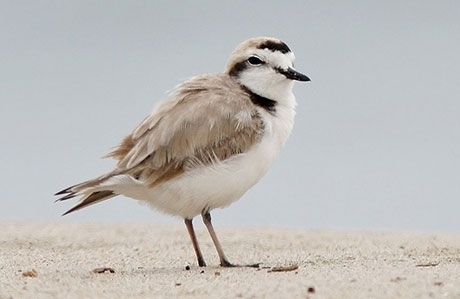
The Snowy Plover (Anarhynchus nivosus nivosus) is a diminutive, pale shorebird of the open beach and salt flats. The world’s smallest plover species, adult Snowy Plovers weigh 34-58 g and measure between 15-17 cm long. They are cryptically colored: their brownish-gray back and wings blend well with the color of sand, making roosting birds difficult to detect. A white breast and face along with an active feeding style make foraging birds more conspicuous.
In both sexes, and at all ages, bare parts include a short, slim, and all black bill, large black eyes, and relatively long grayish legs that occasionally show a pinkish tint. Sexual dimorphism between males and females is substantial in spring but fades throughout summer. Many birds are indistinguishable by fall and remain so throughout the winter in basic plumage, though some males retain a slightly darker cheek and breast band. Males and females have dark, blackish foreheads, ear patches and an always incomplete breast band. These dark markings fade away as the breeding period progresses and are absent in basic plumage. Males almost always have darker markings, particularly the ear patch, though there is some overlap between males and females so not all birds are identifiable to sex. Juvenile plumage is very similar to adult basic, but the head and back feathers are edged in buffy white giving them an overall scaly appearance.
The Western Snowy Plover is the only subspecies of Snowy Plover that occurs in Oregon. The Pacific Coast Population of Snowy Plover is federally listed as threatened, while interior populations of Snowy Plover in Oregon are not federally listed.
Overview
- Species Common Name Western Snowy Plover
- Species Scientific Name Anarhynchus nivosus nivosus
- Federal Listing Status Threatened (Pacific Coast population)
- State Listing Status Threatened
Ecoregions
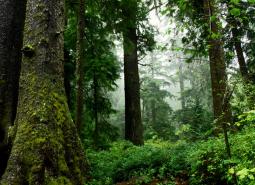
Coast Range
Oregon's Coast Range, known for its dramatic scenery, is extremely diverse, with habitats ranging from open sandy dunes to lush forests and from tidepools to headwater streams. It follows the coastline and extends east through coastal forest to the border of the Willamette Valley and Klamath Mountains ecoregions
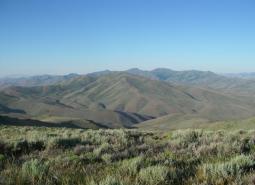
Northern Basin and Range
The Northern Basin and Range ecoregion covers the very large southeastern portion of the state, from Burns south to the Nevada border and from the Christmas Valley east to Idaho. It is largely a high elevation desert-like area dominated by sagebrush communities and habitats.
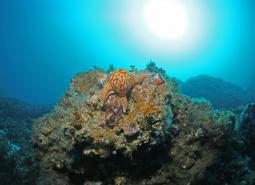
Nearshore
The Nearshore ecoregion includes a variety of habitats ranging from submerged high-relief rocky reefs to broad expanses of intertidal mudflats in estuaries and hosts a vast array of fish, invertebrates, marine mammals, birds, plants, and micro-organisms. This ecoregion encompasses the area from the outer boundary of Oregon's Territorial Sea to the supra-tidal zone, and up into the estuaries.