SPECIES OF GREATEST CONSERVATION NEED
Oregon’s State Wildlife Action Plan (SWAP) identifies 320 Species of Greatest Conservation Need (SGCN). Species of Greatest Conservation Need are defined as having small or declining populations, are at-risk, and/or are of management concern. Oregon’s SGCN include 18 amphibians, 63 birds, 35 mammals, 8 reptiles, 45 fish species (80 unique SMU/ESU/DPS/Groups), 71 invertebrates, and 80 plants and algae. Information on the special needs, limiting factors, data gaps, conservation actions, and available resources is listed for each of Oregon’s SGCN on profile pages of the SWAP website.
SGCN are designated by ecoregion rather than at a statewide level. The ecoregions designated for each species represent the highest priorities for implementing conservation actions for individual species. Some species also occur in ecoregions outside of where they have been designated as an SGCN; however, conservation actions for these species are targeted towards specified ecoregions, where efforts will significantly contribute to the overall conservation success of the species.
For information on how the SGCN list was developed, see Methods for Determining Strategy Species. For some species, not enough information was known to determine whether a species meets the conservation criteria to qualify as an SGCN. The SWAP identifies these species as Species of Greatest Information Need (SGIN).
Although the focus of this section is on SGCN and the actions needed to conserve them, it also takes a broader view of fish and wildlife conservation and includes information on naturally-occurring Fish and Wildlife Diseases and Animal Concentrations.
The SGCN and SGIN lists are available for download in Excel table format. The downloadable SGCN table also contains information on the special needs, limiting factors, data gaps, conservation actions, and available resources for each SGCN.
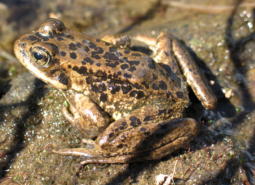
Amphibians
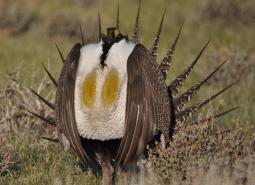
Birds
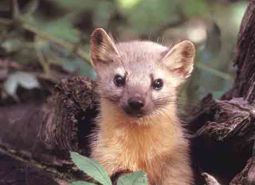
Mammals
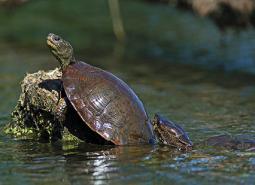
Reptiles
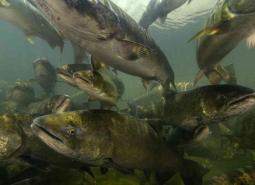
Fish
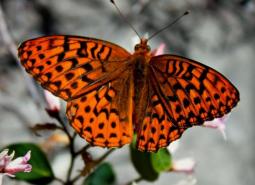
Invertebrates