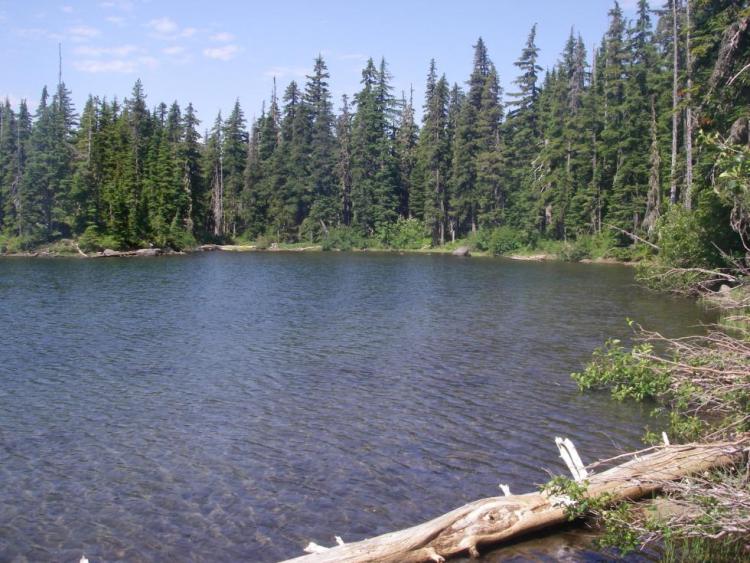
The Mt Jefferson Wilderness, North COA (57 mi2) is located directly east of the Mount Jefferson Wilderness. This area extends from just north of Olallie Lake south to Bear Butte and Waldo Glacier, and includes the headwaters of the Clackamas, North Santiam and Deschutes Rivers. The area is high elevation late successional mixed conifer forest with wetlands, open meadows, alpine lakes, flowing rivers and riparian habitats. This COA is adjacent to the Breitenbush River and Metolius River Area COAs.
Ecoregions
Key Habitats
Grasslands
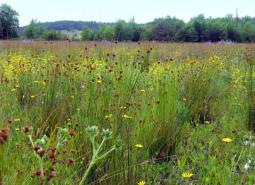
Grasslands include a variety of upland grass-dominated habitats, such as upland prairies, coastal bluffs, and montane grasslands.
Late Successional Mixed Conifer Forests
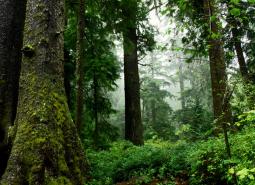
Late successional mixed conifer forests provide a multi-layered tree canopy, including large-diameter trees, shade-tolerant tree species in the understory, and a high volume of dead wood, such as snags and logs.
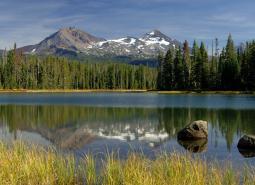
Natural Lakes
Natural lakes are relatively large bodies of freshwater surrounded by land that were formed through geological processes, such as glacial scouring, tectonic movements, volcanic activity and river meander cutoffs. In Oregon, natural lakes are defined as standing water bodies larger than 20 acres, including some seasonal lakes. Depth is not a reference for characterization of …
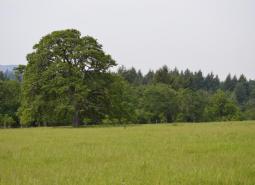
Oak Habitats
There are several oak habitat types in Oregon, where oaks comprise most of the canopy. These can include oak woodlands, oak forest, oak chaparral, and riparian oak. Oak savanna is covered in the Grasslands Key Habitat. Oaks may also co-dominate a canopy in oak/fir, oak pine, and oak hardwood habitats.
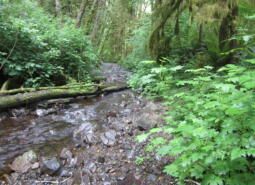
Flowing Water and Riparian Habitats
Flowing Water and Riparian Habitats include all naturally occurring flowing freshwater streams and rivers throughout Oregon as well as the adjacent riparian habitat.
Species of Greatest Conservation Need
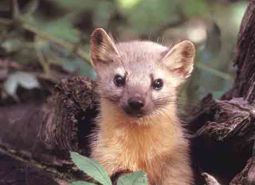
Pacific Marten (Observed)
Martes caurina

American Pika (Observed)
Ochotona princeps
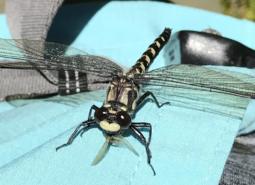
Black Petaltail (Observed)
Tanypteryx hageni
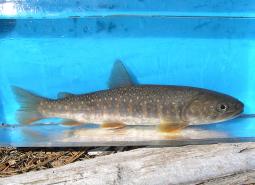
Bull Trout (Documented)
Salvelinus confluentus
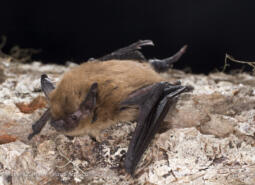
California Myotis (Modeled Habitat)
Myotis californicus
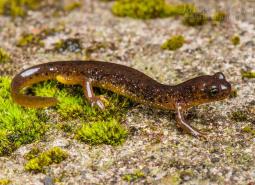
Cascade Torrent Salamander (Modeled Habitat)
Rhyacotriton cascadae
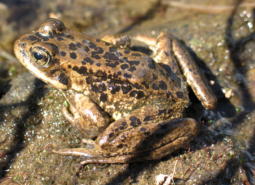
Cascades Frog (Observed)
Rana cascadae
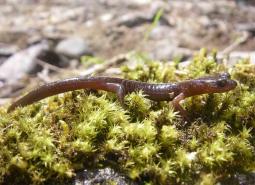
Clouded Salamander (Modeled Habitat)
Aneides ferreus
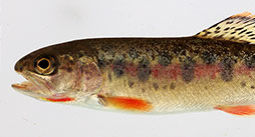
Coastal Cutthroat Trout (Documented)
Oncorhynchus clarki clarki
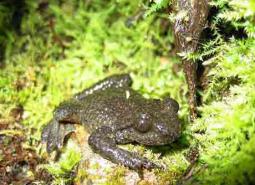
Coastal Tailed Frog (Observed)
Ascaphus truei
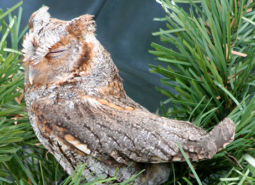
Flammulated Owl (Modeled Habitat)
Psiloscops flammeolus
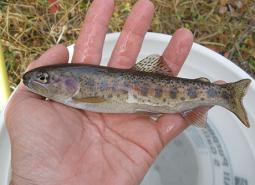
Great Basin Redband Trout (Documented)
Oncorhynchus mykiss newberrii
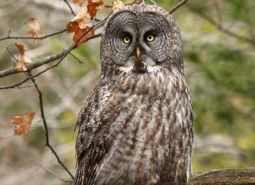
Great Gray Owl (Modeled Habitat)
Strix nebulosa
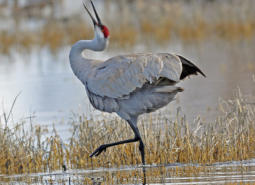
Greater Sandhill Crane (Observed)
Antigone canadensis tabida
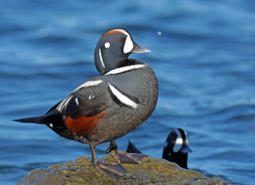
Harlequin Duck (Modeled Habitat)
Histrionicus histrionicus
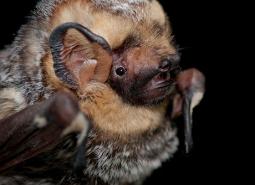
Hoary Bat (Modeled Habitat)
Lasiurus cinereus
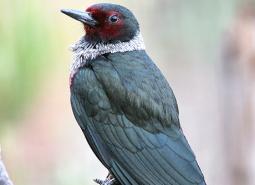
Lewis’s Woodpecker (Observed)
Melanerpes lewis
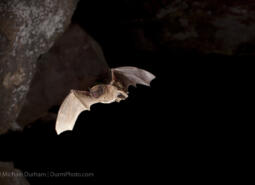
Long-legged Myotis (Modeled Habitat)
Myotis volans
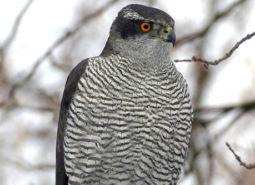
American Goshawk (Observed)
Accipiter atricapillus
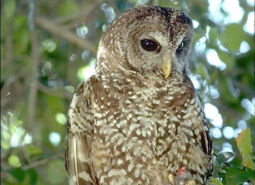
Northern Spotted Owl (Observed)
Strix occidentalis caurina
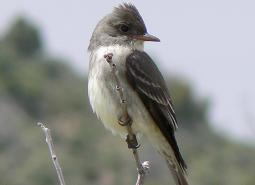
Olive-sided Flycatcher (Observed)
Contopus cooperi
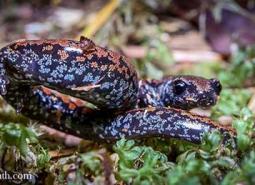
Oregon Slender Salamander (Modeled Habitat)
Batrachoseps wrighti
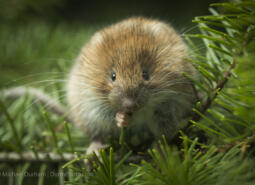
Red Tree Vole (Modeled Habitat)
Arborimus longicaudus
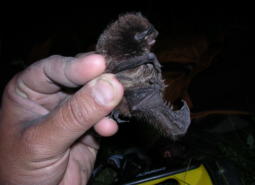
Silver-haired Bat (Modeled Habitat)
Lasionycteris noctivagans
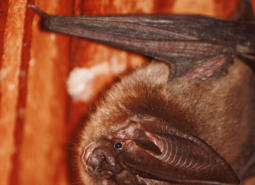
Townsend’s Big-eared Bat (Modeled Habitat)
Corynorhinus townsendii
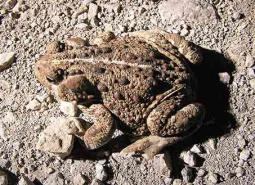
Western Toad (Modeled Habitat)
Anaxyrus boreas