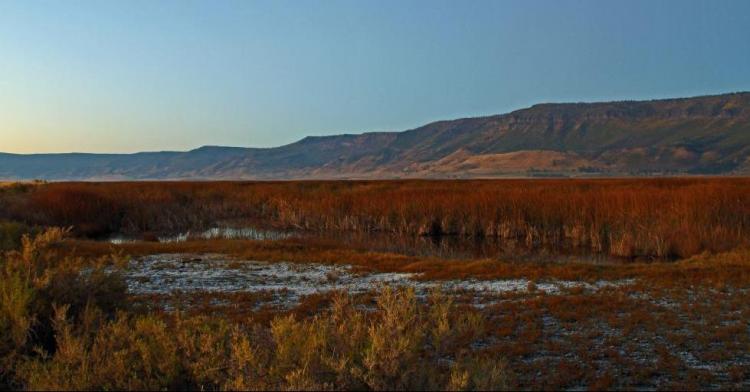
This area is comprised of Summer Lake and the surrounding high desert wetlands subregion, including much of the Diablo Mountain Wilderness Study Area.
Ecoregions
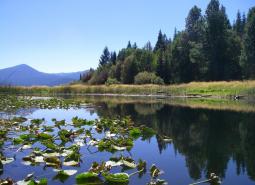
East Cascades
The East Cascade ecoregion extends from the Cascade Mountains' summit east to the warmer, drier high desert and down the length of the state. This ecoregion varies dramatically from its cool, moist border with the West Cascades ecoregion to its dry eastern border, where it meets sagebrush desert landscapes.
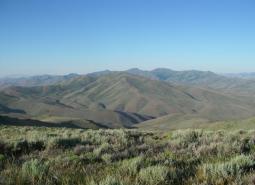
Northern Basin and Range
The Northern Basin and Range ecoregion covers the very large southeastern portion of the state, from Burns south to the Nevada border and from the Christmas Valley east to Idaho. It is largely a high elevation desert-like area dominated by sagebrush communities and habitats.
Key Habitats
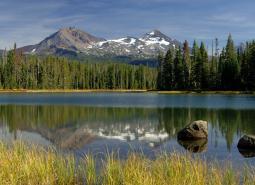
Natural Lakes
Natural lakes are relatively large bodies of freshwater surrounded by land that were formed through geological processes, such as glacial scouring, tectonic movements, volcanic activity and river meander cutoffs. In Oregon, natural lakes are defined as standing water bodies larger than 20 acres, including some seasonal lakes. Depth is not a reference for characterization of …
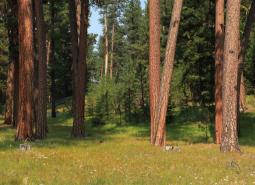
Ponderosa Pine Woodlands
Ponderosa pine woodlands are common in Oregon’s eastside ecoregions. While dominated by ponderosa pine, these woodlands may also have lodgepole pine, western juniper, aspen, western larch, grand fir, Douglas-fir, mountain mahogany, incense cedar, sugar pine, or white fir, depending on ecoregion and site conditions. Known for their open forest structure, these woodlands generally have fewer …
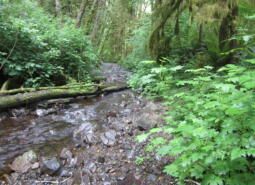
Flowing Water and Riparian Habitats
Flowing Water and Riparian Habitats include all naturally occurring flowing freshwater streams and rivers throughout Oregon as well as the adjacent riparian habitat.
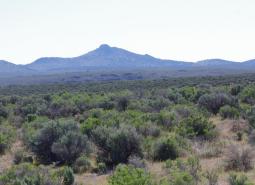
Sagebrush Habitats
Sagebrush habitats include all sagebrush steppe- and shrubland-dominated communities found east of the Cascade Mountains.
Species of Greatest Conservation Need
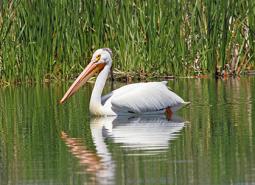
American White Pelican (Observed)
Pelecanus erythrorhynchos
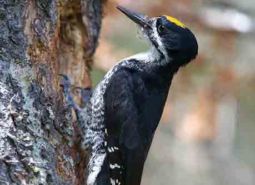
Black-backed Woodpecker (Observed)
Picoides arcticus

Black-necked Stilt (Observed)
Himantopus mexicanus
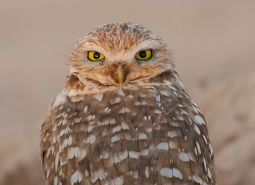
Western Burrowing Owl (Observed)
Athene cunicularia hypugaea
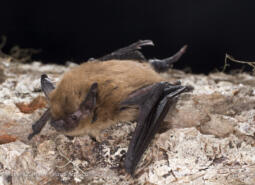
California Myotis (Observed)
Myotis californicus
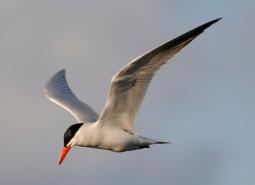
Caspian Tern (Observed)
Hydroprogne caspia
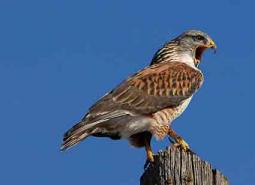
Ferruginous Hawk (Observed)
Buteo regalis
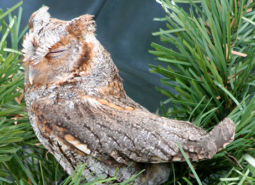
Flammulated Owl (Modeled Habitat)
Psiloscops flammeolus
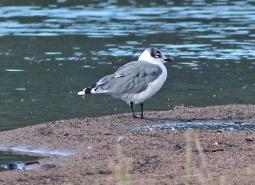
Franklin’s Gull (Observed)
Leucophaeus pipixcan
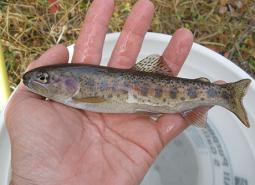
Great Basin Redband Trout (Documented)
Oncorhynchus mykiss newberrii
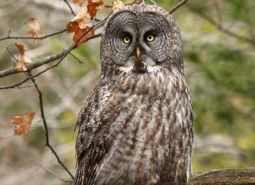
Great Gray Owl (Modeled Habitat)
Strix nebulosa
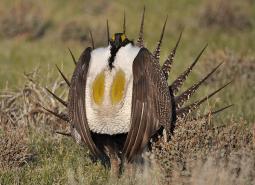
Greater Sage-Grouse (Observed)
Centrocercus urophasianus
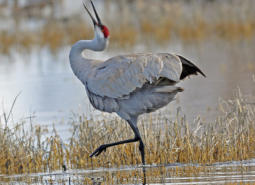
Greater Sandhill Crane (Observed)
Antigone canadensis tabida
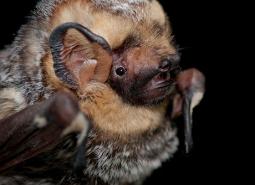
Hoary Bat (Observed)
Lasiurus cinereus
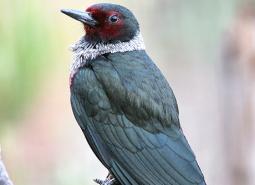
Lewis’s Woodpecker (Observed)
Melanerpes lewis
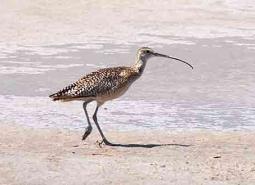
Long-billed Curlew (Observed)
Numenius americanus
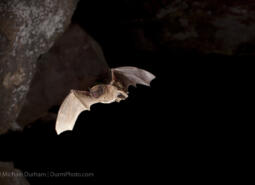
Long-legged Myotis (Observed)
Myotis volans
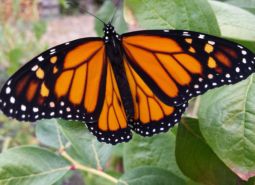
Monarch Butterfly (Observed)
Danaus plexippus
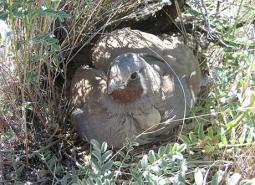
Mountain Quail (Observed)
Oreortyx pictus
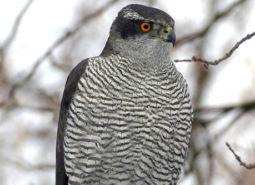
American Goshawk (Observed)
Accipiter atricapillus
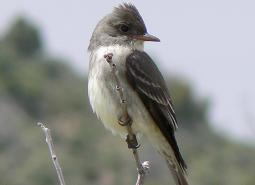
Olive-sided Flycatcher (Observed)
Contopus cooperi
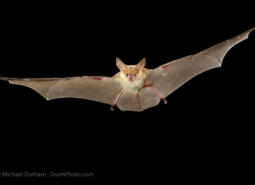
Pallid Bat (Modeled Habitat)
Antrozous pallidus
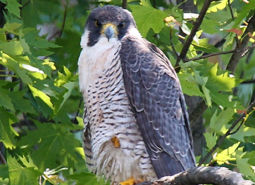
Peregrine Falcon (Observed)
Falco peregrinus anatum
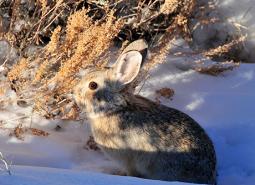
Pygmy Rabbit (Modeled Habitat)
Brachylagus idahoensis
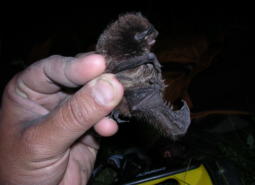
Silver-haired Bat (Observed)
Lasionycteris noctivagans
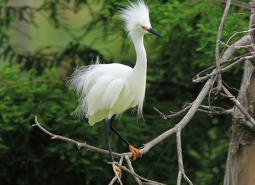
Snowy Egret (Observed)
Egretta thula brewsteri
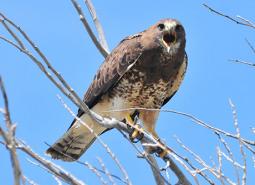
Swainson’s Hawk (Observed)
Buteo swainsoni
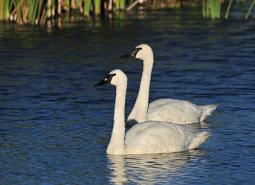
Trumpeter Swan (Observed)
Cygnus buccinator
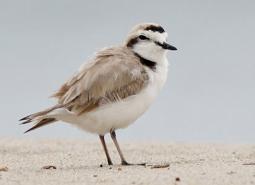
Western Snowy Plover (Observed)
Anarhynchus nivosus nivosus
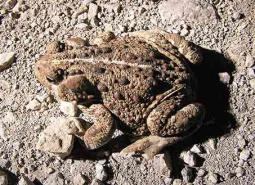
Western Toad (Observed)
Anaxyrus boreas

White-headed Woodpecker (Modeled Habitat)
Dryobates albolarvatus albolarvatus
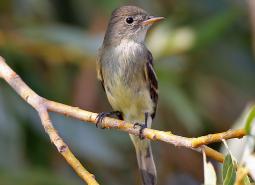
Willow Flycatcher (Observed)
Empidonax traillii
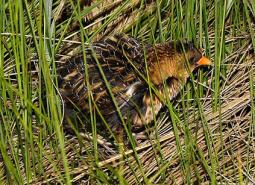
Yellow Rail (Observed)
Coturnicops noveboracensis