Conserve Skip to Main Content
Map Grid View List View Article View
  • How to Use the SWAP Website
  • Frequently Asked Questions
  • Download Chapters
  • Citation
  • Contact Us
  • Help Conserve Wildlife
  • Overview
    • Background
    • How To Use the SWAP
    • Funding, Implementation, and Review
    • Acknowledgements
  • Key Conservation Issues
    • Climate Change
    • Land Use Changes
    • Invasive Species
    • Disruption of Disturbance Regimes
    • Barriers to Animal Movement
    • Water Quality and Quantity
    • Pollution
  • Ecoregions
    • Blue Mountains
    • Coast Range
    • Columbia Plateau
    • East Cascades
    • Klamath Mountains
    • Northern Basin and Range
    • West Cascades
    • Willamette Valley
    • Nearshore
  • Conservation Opportunity Areas
    • COA Overview
    • COA Methodology
    • COA Sites
  • Key Habitats
    • Aspen Woodlands
    • Coastal Dunes
    • Estuaries
    • Flowing Water and Riparian Habitats
    • Grasslands
    • Late Successional Mixed Conifer Forests
    • Natural Lakes
    • Oak Habitats
    • Ponderosa Pine Woodlands
    • Sagebrush Habitats
    • Wetlands
    • Nearshore Key Habitats
    • Summary by Ecoregion
    • Specialized and Local Habitats
    • Habitat Data Gaps
  • Species of Greatest Conservation Need
    • Amphibians
    • Birds
    • Mammals
    • Reptiles
    • Fish
    • Invertebrates
    • Plants and Algae
    • Methods for Determining SGCN
    • Species Data Gaps
    • Animal Concentrations
    • Fish and Wildlife Diseases
  • Monitoring
  • Conservation Toolbox
    • LANDSCAPE SCALE CONSERVATION IN OREGON
    • WHO IS THIS CONSERVATION TOOLBOX FOR?
    • ACTIONS BY URBAN AND SUBURBAN OREGONIANS
    • ACTIONS BY RURAL OREGONIANS
    • ACTIONS BY ALL OREGONIANS AT THE WATERSHED SCALE
    • GOALS AND ACTIONS FOR STATE, LOCAL, TRIBAL, AND FEDERAL GOVERNMENTS, NONPROFITS, AND COMMUNITY-BASED ORGANIZATIONS TO ENGAGE ALL OREGONIANS
    • RESOURCES: VOLUNTARY CONSERVATION PROGRAMS
  • Appendices
  • Oregon Nearshore Strategy
    • Nearshore Strategy Context
    • Strategy Development
    • Coastal Communities
    • Nearshore Species
    • Nearshore Habitats
      • >> Neritic (Open water)
      • >> Subtidal soft bottom
      • >> Rocky subtidal
      • >> Sandy Beaches
      • >> Rocky intertidal
      • >> Estuaries
    • Factors affecting Strategy Species and Habitats
    • Research and Monitoring
    • Nearshore Recommendations
    • Nearshore Conclusions
    • Nearshore Appendices
    • Acknowledgements and References
State Wildlife Action Plan

Amphibians

Home > SGCN > Amphibians

There are 18 amphibians identified as Species of Greatest Conservation Need in the State Wildlife Action Plan.
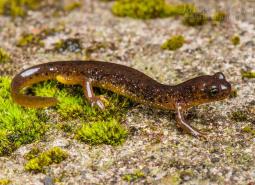
Cascade Torrent Salamander

Cascade Torrent Salamander

Rhyacotriton cascadae
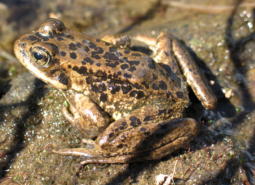
Cascades Frog

Rana cascadae
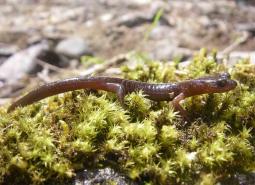
Clouded Salamander

Clouded Salamander

Aneides ferreus

Coastal Tailed Frog

Ascaphus truei
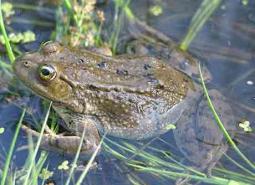
Columbia Spotted Frog

Rana luteiventris
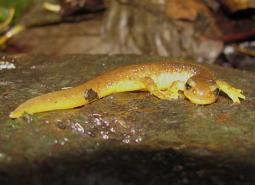
Columbia Torrent Salamander

Rhyacotriton kezeri
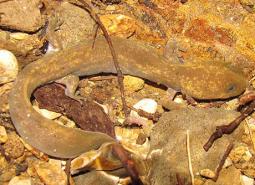
Cope’s Giant Salamander

Dicamptodon copei
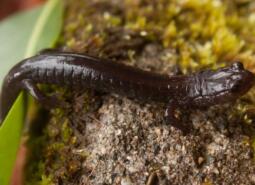
Del Norte Salamander

Plethodon elongatus
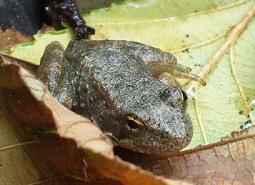
Foothill Yellow-legged Frog

Rana boylii
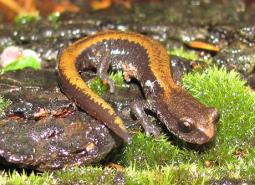
Larch Mountain Salamander

Plethodon larselli
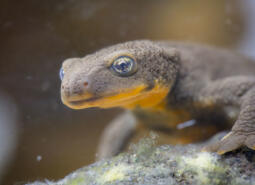
Photo is needed for this SGCN.

Mazama (Crater Lake) Newt

Taricha granulosa mazamae
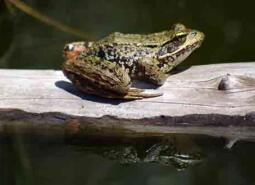
Northern Red-legged Frog

Rana aurora
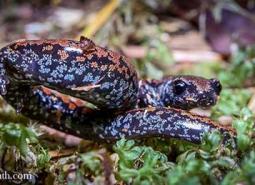
Oregon Slender Salamander

Batrachoseps wrighti
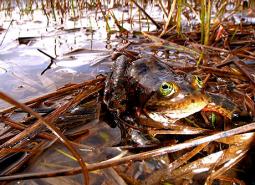
Oregon Spotted Frog

Rana pretiosa
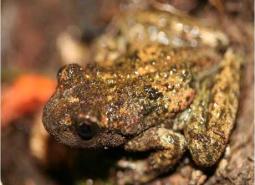
Rocky Mountain Tailed Frog

Ascaphus montanus
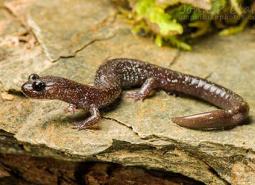
Siskiyou Mountains Salamander

Plethodon stormi
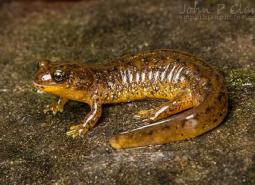
Southern Torrent Salamander

Rhyacotriton variegatus
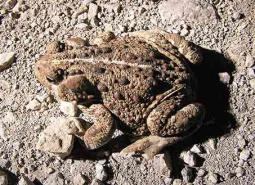
Western Toad

Anaxyrus boreas