INTRODUCTION
Oregon is home to a vast assortment of species and habitats that contribute to its unique biological diversity. Currently, however, species are going extinct faster than any time in human history. A 2023 report by NatureServe ranked Oregon as the 5th highest state in percent of at-risk animals in the U.S. Species at risk include over half of Oregon’s 32 amphibian species, approximately 10% of bird species, and nearly 20% of reptile species. In the face of alarming loss and daunting conservation challenges, Oregonians need a method to guide them on how to effectively and efficiently use limited resources to make the best conservation decisions. The Oregon State Wildlife Action Plan (SWAP) is a tool to provide the information needed to guide and prioritize this work.
The Oregon SWAP represents Oregon’s first overarching state plan for conserving fish, wildlife, and their habitats. It uses the best available information to create a broad vision and conceptual framework for long-term conservation of Oregon’s native fish and wildlife, as well as various invertebrates, plants, and algae.
The SWAP emphasizes proactively conserving declining species and habitats to reduce the possibility of future federal or state listings. It is not a regulatory document but instead presents issues, opportunities, and recommended voluntary actions that will improve the efficiency and effectiveness of conservation in Oregon.
Most importantly, it establishes the basis for a common understanding of the challenges facing Oregon’s fish and wildlife, and provides a shared set of priorities for addressing the state’s conservation needs. The heart of the SWAP is a blueprint for voluntary action to address the long-term needs of Oregon’s fish and wildlife. The future for many species will depend on landowners’ and land managers’ willingness to take voluntarily action to protect and improve fish and wildlife habitats.
Oregon’s State Wildlife Action Plan Goals:
- Maintain healthy fish and wildlife populations by maintaining and restoring functioning habitats.
- Prevent declines of at-risk species.
- Reverse declines in these resources where possible.
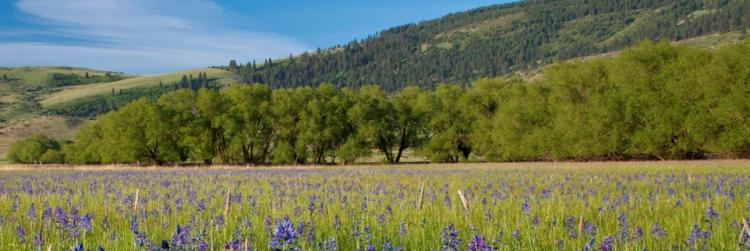
The SWAP is not a management plan for the Oregon Department of Fish and Wildlife. It is a broad strategy for all Oregonians, offering potential roles and opportunities for the general public, private landowners, organizations, and federal and state agencies alike. It incorporates information and insights from a broad range of natural resource assessments and conservation plans, supplemented by the professional expertise and practical experiences of Oregon’s resource managers and conservation interests. Healthy fish and wildlife populations require adequate habitat, which is provided in natural systems and in landscapes managed for forestry, agriculture, range, and urban uses.
This document’s purpose is to help people make decisions more strategically about how they can invest time and resources in fish and wildlife conservation. The intent is for localized or species-specific plans to branch off of the broader, overarching SWAP.
Oregon’s Unique Natural Heritage
Oregonians have always been proud of the place they live, of the diversity of landscapes and people, and of Oregon’s strong ties to our fish and wildlife. Oregon’s SWAP celebrates that natural heritage by outlining goals and identifying actions that conserve and restore Oregon’s species, habitats, and ecosystems. The recommendations within the SWAP can be used to address species and habitat conservation needs, expand existing partnerships and develop new ones, and provide a context for balancing Oregon’s conservation and development priorities.
Oregon is a melting pot of traditions, cultures, ecological regions, geological formations, and political ideologies. Oregon’s varied geology, soil, and climate support a unique collection of species and habitats, which help define the state’s way of life. Oregon’s prosperity depends on use of land for agriculture, timber, industry, ranching, and outdoor recreation. The nearshore marine environments of Oregon’s coast also provide vital habitats for marine species while supporting coastal economies and recreational activities. These working land and seascapes, along with wilderness and other natural areas, provide the rich mix of habitats that support Oregon’s fish and wildlife.
There are, however, significant challenges to maintaining Oregon’s fish and wildlife. Climate change, invasive species, and other large-scale threats have accelerated the decline of native species across the state. Habitats have been fragmented or degraded by construction of towns and roads, alteration of river systems, and intensive land management practices. Some areas have been completely converted to other uses. These changes can isolate fish and wildlife habitats into increasingly smaller patches, limit the functions that habitats provide for species, and ultimately make it more difficult for ecosystems to provide the services that define Oregon’s history, traditions, and economy.
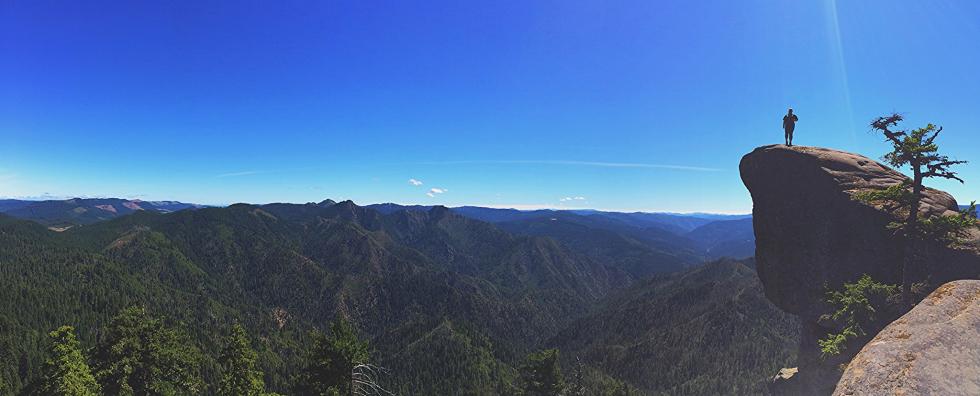
The SWAP provides an adaptive and comprehensive framework for continued positive action and new innovation. Building upon previous plans, it provides a menu of recommended voluntary actions and tools to help inspire local communities, landowners, and individuals to define their own conservation role.
Oregonians have long demonstrated their willingness to work together for the common good. Tapping that spirit will encourage new alliances, partnerships, coordination, and collaboration among agencies, tribes, organizations, businesses, and landowners to take care of Oregon’s unique natural treasures.
OREGON’S STATE WILDLIFE ACTION PLAN: WHAT IT IS AND WHAT IT CAN DO
The SWAP is intended to provide a long-term, big-picture blueprint for conserving Oregon’s natural resources for today and for future generations. It outlines how and where the state and its conservation partners, including landowners and land managers, can best focus this work. The SWAP is intended to:
- Prevent species from becoming imperiled, thereby reducing the risk of future species listings that could result in additional regulations for Oregon’s businesses and industries.
- Provide a wide range of voluntary conservation tools to empower local communities and landowners to take advantage of existing opportunities to act.
- Provide a common conservation vision to guide state and federal agencies toward effective coordination.
- Leverage limited conservation resources, such as money, equipment, and time, in a more efficient and effective manner by:
- Focusing conservation actions on the species and habitats of greatest conservation priority
- Identifying areas where conservation activities will provide the greatest benefit at the landscape scale
- Increasing coordination, collaboration, and partnership to produce cumulative benefits
- Provide a role for every Oregonian, from local neighborhood clean-ups to large-scale community-based monitoring, and demonstrate how local conservation actions fit into a broader regional or statewide perspective.
- Synthesize existing plans and credible, peer-reviewed science to provide a statewide context to address the state’s conservation needs.
- Demonstrate Oregon’s commitment to conserve its species and habitats.
- Serve as a long-term strategy for the next decade and beyond, while still remaining a dynamic, living plan that will be adjusted as new information and insights are gained.
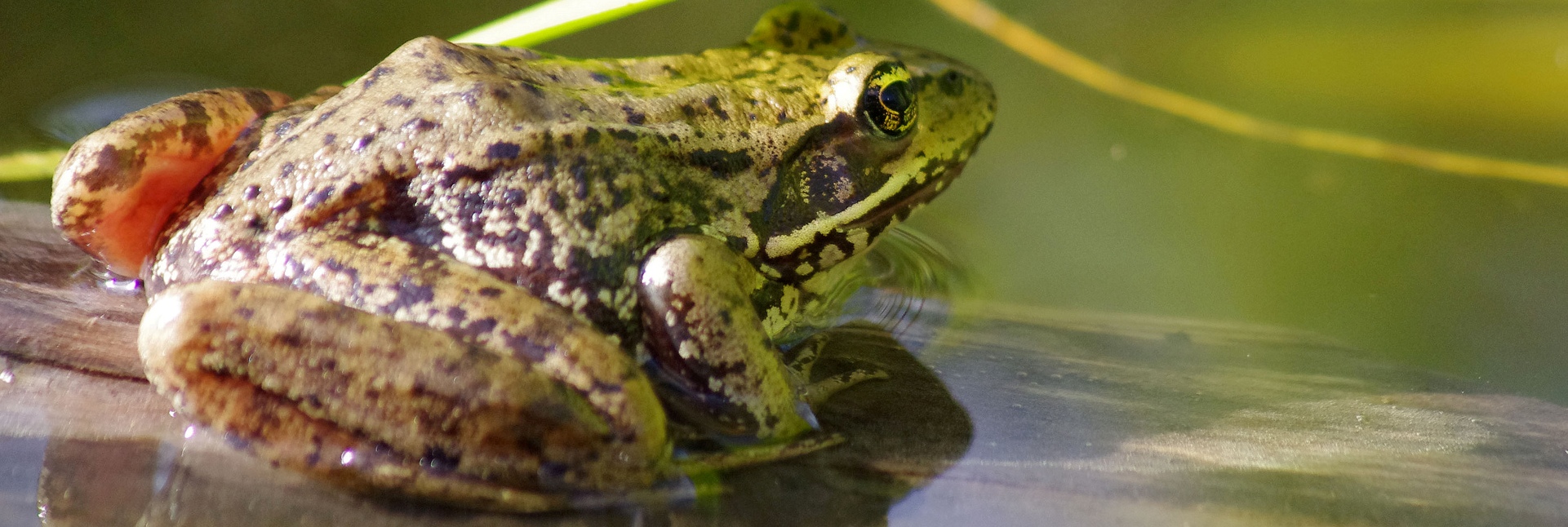
Oregon’s state wildlife action plan: What It Is Not
The SWAP is not regulatory. It works within existing legal structures and is not a substitute for regulations. It does not challenge, change, or expand regulations. It does not add any new regulations.
The SWAP is not restrictive. It will not impose limits or new requirements on private landowners or public land users. It does not impose additional rules, fees, or processes. Instead, it encourages voluntary action and collaboration.
The SWAP is not a substitute for existing planning efforts. It synthesizes and builds upon efforts to weave them into a statewide blueprint for action. It also highlights ways to expand and enhance conservation work.
The SWAP is not an Oregon Department of Fish and Wildlife management plan. Rather, it is intended to be a conservation tool for all Oregonians. The issues identified in this document are often complex and cannot be solved by any one agency or entity. They require cooperative, coordinated approaches for long-term success.
OREGON’S EXISTING CONSERVATION FRAMEWORK
Oregon has an existing conservation framework in the form of plans, regulations, and grass-roots voluntary efforts. These processes have built the knowledge base, standards, and relationships that set the stage for creating a statewide conservation plan. The SWAP has built upon this framework to promote common goals.
The SWAP works to encourage integration and innovation within Oregon’s existing conservation framework, recognizing that many important conservation actions are covered by regulatory requirements, but other actions are voluntary, and incentives or market-based approaches can be quite helpful.
Regulations – State and federal laws govern issues such as water quality, air quality, land use, and species protection. For example, the legal and institutional framework for maintaining private forestland is in place through the Oregon Board of Forestry’s Forestry Program for Oregon, the Forest Practices Act, and statewide planning Goal 4, Forest Lands.
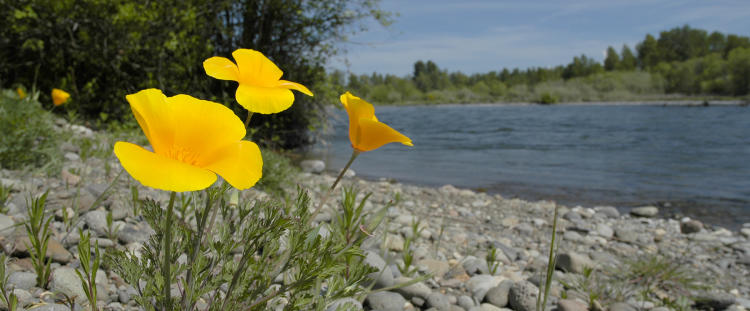
Voluntary Efforts – From counting birds during the annual Christmas Bird Count to planting willows in riparian areas, watershed councils, nonprofit organizations, private landowners, and other interested individuals are already contributing voluntarily to conserving Oregon’s fish and wildlife through both organized and individual efforts.
Plans – Numerous planning efforts by a variety of entities have identified priority species, habitats, and actions within Oregon. These plans have all differed in their purposes, goals, and scales of analysis. Some examples of large-scale planning efforts include the Oregon Plan for Salmon and Watersheds and The Nature Conservancy’s Ecoregional Assessments.
The SWAP builds on all of these efforts to provide a cohesive, statewide, non-regulatory approach to habitat and species conservation. Implementation requires coordination among the state and federal agencies that apply existing regulations, and among a variety of groups that implement plans. The SWAP can also support and expand existing voluntary efforts.
THE NATIONAL APPROACH
The U.S. Fish and Wildlife Service requires each U.S. state and territory receiving State Wildlife Grants to complete a State Wildlife Action Plan and to update that effort at least every 10 years.
The emphasis of each state plan is on voluntary measures and collaboration. A state action plan that imposed additional regulation or adversely affected the state’s economy and communities would not meet the intent or objectives of the State Wildlife Grants Program. Each plan must address factors affecting the health of the nation’s fish and wildlife, particularly those species in greatest need of conservation. The goal is to manage fish and wildlife populations and their habitats as a public trust, maintained as a national heritage.
Each state action plan must contain eight elements addressing species, habitats, problems, conservation actions, monitoring, plan review, interagency coordination, and public involvement.
| USFWS Required Eight Elements | Oregon’s Approach |
|---|---|
| 1. Gather information on the distribution and abundance of fish and wildlife species. | Identify Species of Greatest Conservation Need, those most in need of conservation, and summarize key information about them. Improve Oregon’s ability to map species distribution using both observational data and modeling. Use species data to help identify Conservation Opportunity Areas (COAs) where conservation activities would benefit the greatest number of SGCN. |
| 2. Describe location and relative condition of key habitats and community types essential to conservation of these species. | Identify Key Habitats to conserve a broad suite of species that reflect the diversity of fish and wildlife in the state, and map COAs for Key Habitats, areas where conservation activities would have the greatest benefit and chances of success. |
| 3. Describe problems which may adversely affect these species or their habitats. Identify information needed to improve conservation of species and habitats. | Describe limiting factors for SGCN and Key Habitats, and data gaps where information is needed. The SWAP describes conservation issues and limiting factors for each SGCN and Key Habitat, and describes seven Key Conservation Issues. The SWAP lists fish and wildlife diseases occurring in Oregon, and provides management approaches. |
| 4. Describe necessary conservation actions for species and habitats. | Outline conservation actions for SGCN and Key Habitats. Identify COAs where conservation activities would benefit the greatest number of SGCN and Key Habitats. Provide management actions and approaches to address Oregon’s Key Conservation Issues and diseases that threaten our fish and wildlife populations. |
| 5. Propose ways to monitor the effectiveness of these conservation actions and ways to adapt actions as information or conditions change. | Provide guidance for monitoring species and habitats. |
| 6. Describe procedures to review the SWAP at regular intervals (not to exceed 10 years). | Describe how reviews and updates will occur. |
| 7. Coordinate with federal, state, and local agencies and tribes that manage significant land and water areas or administer significant programs that affect species and habitat conservation. | Coordinate extensively with federal, state, county, and local governments, tribes, non-governmental organizations, interest groups, and private landowners in developing and implementing the SWAP. |
| 8. Engage the public in planning and implementing the SWAP. | A. Seek guidance via a publicly available survey to identify priority sections for revision. B. Seek public input through public presentations. Solicit comments via an open public comment period. Incorporate public comment into the final version. C. Engage Oregonians throughout the state as the SWAP is implemented and encourage participation in SWAP actions. |