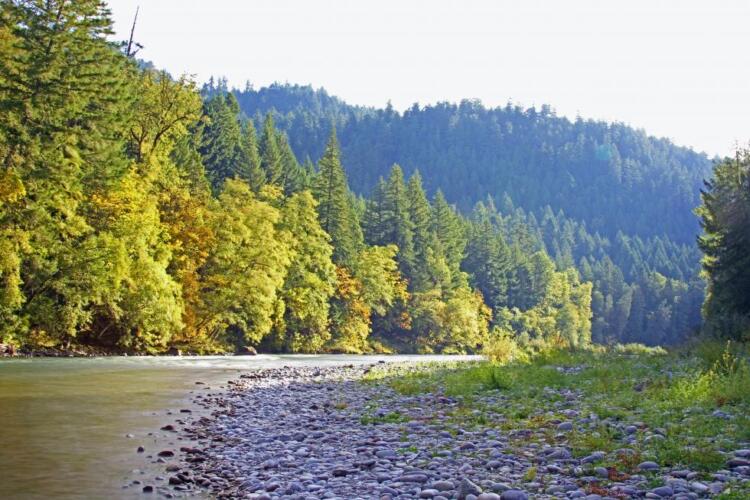
The Middle Fork Willamette River COA (167 mi2) extends from Lookout Point Lake upstream along the Middle Fork Willamette River and into the surrounding forestlands as far east as Huckleberry Mountain. The area skirts along the northern edge of Oakridge, and goes north to Alpine Ridge. This COA is adjacent to the Upper Willamette River Floodplain COA.
Ecoregions
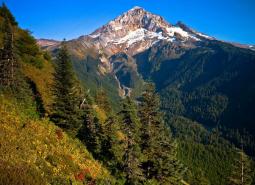
West Cascades
The West Cascades ecoregion extends from east of the Cascade Mountains summit to the foothills of the Willamette, Umpqua, and Rogue Valleys, and spans the entire length of the state of Oregon. It is largely dominated by conifer forests, moving into alpine parklands and dwarf shrubs at higher elevations.
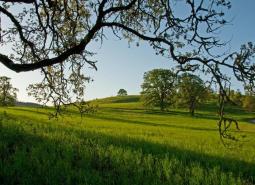
Willamette Valley
The Willamette Valley ecoregion is bounded on the west by the Coast Range and on the east by the Cascade Range. This long mostly level alluvial plain has some scattered areas of low basalt, and contrasts with productive farmland and large urban areas. It has the fastest-growing human population in the state resulting in challenges due to land-use changes.
Key Habitats
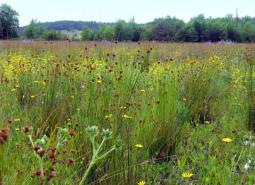
Grasslands
Grasslands include a variety of upland grass-dominated habitats, such as upland prairies, coastal bluffs, and montane grasslands.
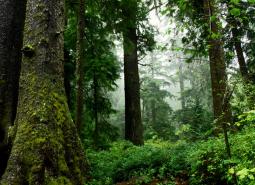
Late Successional Mixed Conifer Forests
Late successional mixed conifer forests provide a multi-layered tree canopy, including large-diameter trees, shade-tolerant tree species in the understory, and a high volume of dead wood, such as snags and logs.
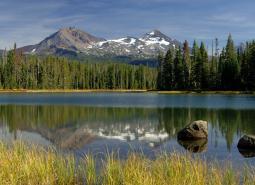
Natural Lakes
Natural lakes are relatively large bodies of freshwater surrounded by land that were formed through geological processes, such as glacial scouring, tectonic movements, volcanic activity and river meander cutoffs. In Oregon, natural lakes are defined as standing water bodies larger than 20 acres, including some seasonal lakes. Depth is not a reference for characterization of …
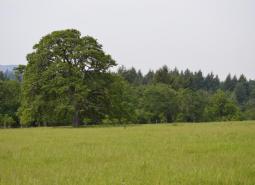
Oak Habitats
There are several oak habitat types in Oregon, where oaks comprise most of the canopy. These can include oak woodlands, oak forest, oak chaparral, and riparian oak. Oak savanna is covered in the Grasslands Key Habitat. Oaks may also co-dominate a canopy in oak/fir, oak pine, and oak hardwood habitats.
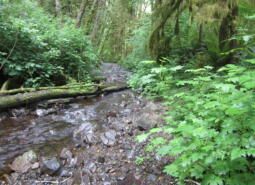
Flowing Water and Riparian Habitats
Flowing Water and Riparian Habitats include all naturally occurring flowing freshwater streams and rivers throughout Oregon as well as the adjacent riparian habitat.
Species of Greatest Conservation Need
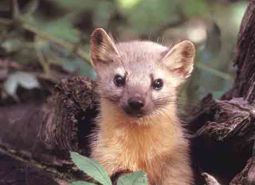
Pacific Marten (Observed)
Martes caurina

American Pika (Observed)
Ochotona princeps
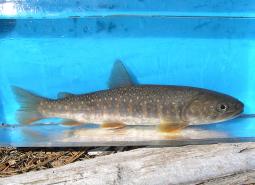
Bull Trout (Documented)
Salvelinus confluentus
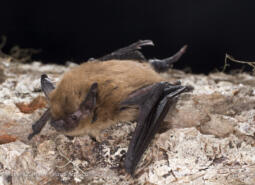
California Myotis (Modeled Habitat)
Myotis californicus
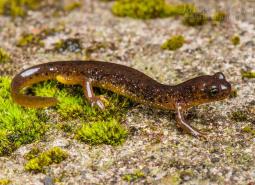
Cascade Torrent Salamander (Observed)
Rhyacotriton cascadae
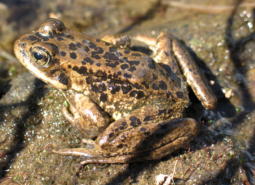
Cascades Frog (Observed)
Rana cascadae
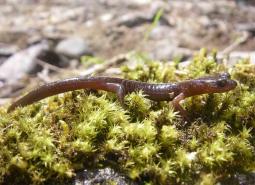
Clouded Salamander (Observed)
Aneides ferreus
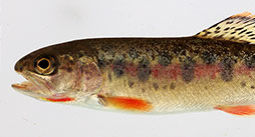
Coastal Cutthroat Trout (Documented)
Oncorhynchus clarki clarki
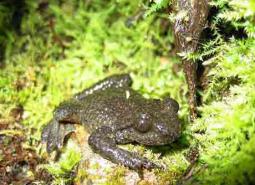
Coastal Tailed Frog (Observed)
Ascaphus truei
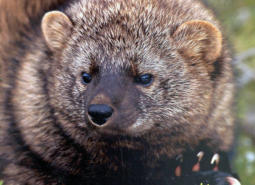
Pacific Fisher (Modeled Habitat)
Pekania pennanti
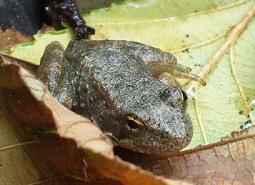
Foothill Yellow-legged Frog (Observed)
Rana boylii
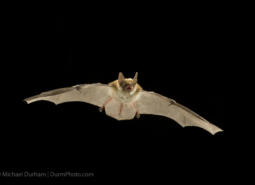
Fringed Myotis (Modeled Habitat)
Myotis thysanodes
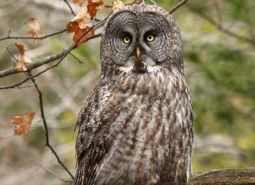
Great Gray Owl (Observed)
Strix nebulosa
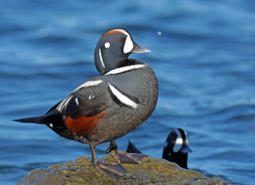
Harlequin Duck (Observed)
Histrionicus histrionicus
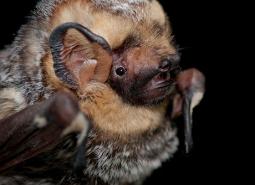
Hoary Bat (Observed)
Lasiurus cinereus
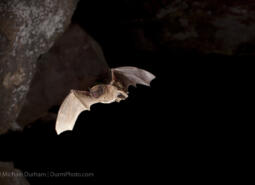
Long-legged Myotis (Observed)
Myotis volans
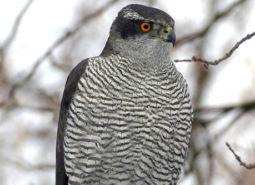
American Goshawk (Observed)
Accipiter atricapillus
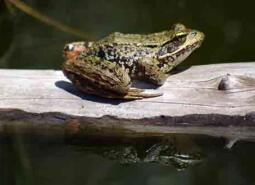
Northern Red-legged Frog (Observed)
Rana aurora
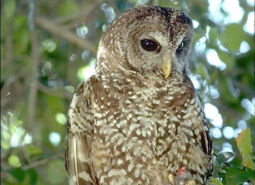
Northern Spotted Owl (Observed)
Strix occidentalis caurina
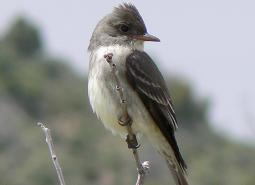
Olive-sided Flycatcher (Observed)
Contopus cooperi
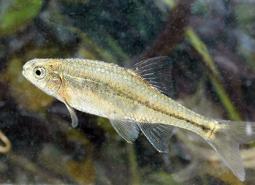
Oregon Chub (Documented)
Oregonichthys crameri
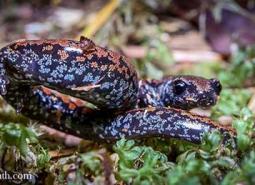
Oregon Slender Salamander (Modeled Habitat)
Batrachoseps wrighti
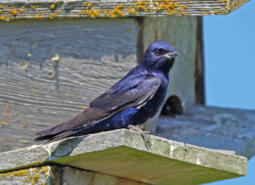
Western Purple Martin (Observed)
Progne subis arboricola

Red Tree Vole (Modeled Habitat)
Arborimus longicaudus

Ringtail (Modeled Habitat)
Bassariscus astutus
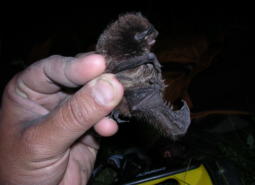
Silver-haired Bat (Observed)
Lasionycteris noctivagans
Silver-haired Bat (Modeled Habitat)
Lasionycteris noctivagans
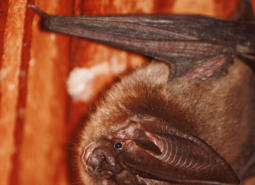
Townsend’s Big-eared Bat (Observed)
Corynorhinus townsendii
Townsend’s Big-eared Bat (Observed)
Corynorhinus townsendii
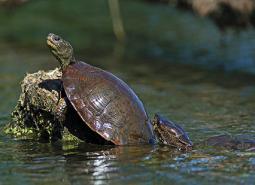
Northwestern Pond Turtle (Observed)
Actinemys marmorata
Northwestern Pond Turtle (Observed)
Actinemys marmorata
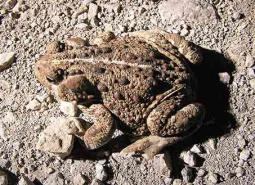
Western Toad (Modeled Habitat)
Anaxyrus boreas