
This area contains the Pistol River Estuary, offshore rocky habitat for nesting seabirds, and Coastal Bluffs.
Ecoregions
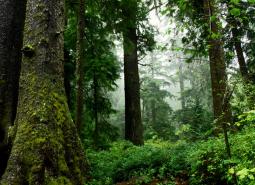
Coast Range
Oregon's Coast Range, known for its dramatic scenery, is extremely diverse, with habitats ranging from open sandy dunes to lush forests and from tidepools to headwater streams. It follows the coastline and extends east through coastal forest to the border of the Willamette Valley and Klamath Mountains ecoregions
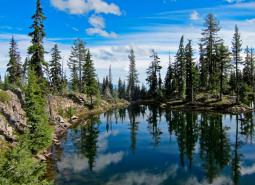
Klamath Mountains
The Klamath Mountains ecoregion covers much of southwestern Oregon, including the Klamath Mountains, Siskiyou Mountains, the interior valleys and foothills between these and the Cascade Range, and the Rogue and Umpqua river valleys. Several popular and scenic rivers run through the ecoregion, including the Umpqua, Rogue, Illinois, and Applegate rivers. Historically, this ecoregion is known …
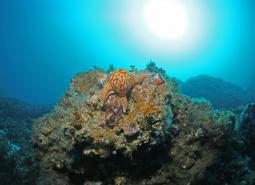
Nearshore
The Nearshore ecoregion includes a variety of habitats ranging from submerged high-relief rocky reefs to broad expanses of intertidal mudflats in estuaries and hosts a vast array of fish, invertebrates, marine mammals, birds, plants, and micro-organisms. This ecoregion encompasses the area from the outer boundary of Oregon's Territorial Sea to the supra-tidal zone, and up into the estuaries.
Key Habitats
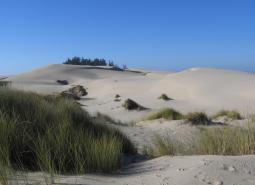
Coastal Dunes
Occurring along the Oregon coastline, coastal dunes provide habitat for species that prefer open, sandy habitats with a high degree of disturbance from winds and tides.
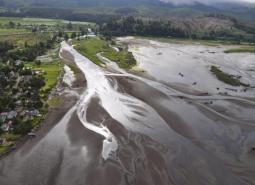
Estuaries
Estuaries are broadly defined as partially enclosed coastal bodies of tidally influenced water with one or more inputs of freshwater, and with a free or intermittent connection to the open sea. Estuaries typically occur at locations where freshwater from rivers, streams, or creeks meets saltwater from the nearshore ocean, creating a tidal basin that experiences frequent …
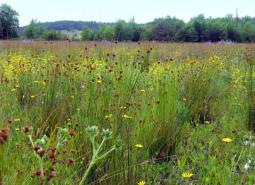
Grasslands
Grasslands include a variety of upland grass-dominated habitats, such as upland prairies, coastal bluffs, and montane grasslands.
Late Successional Mixed Conifer Forests
Late successional mixed conifer forests provide a multi-layered tree canopy, including large-diameter trees, shade-tolerant tree species in the understory, and a high volume of dead wood, such as snags and logs.
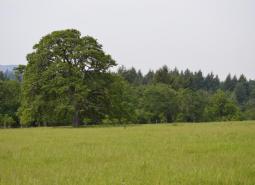
Oak Habitats
There are several oak habitat types in Oregon, where oaks comprise most of the canopy. These can include oak woodlands, oak forest, oak chaparral, and riparian oak. Oak savanna is covered in the Grasslands Key Habitat. Oaks may also co-dominate a canopy in oak/fir, oak pine, and oak hardwood habitats.
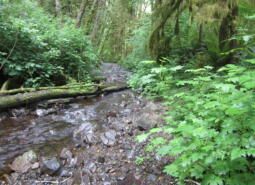
Flowing Water and Riparian Habitats
Flowing Water and Riparian Habitats include all naturally occurring flowing freshwater streams and rivers throughout Oregon as well as the adjacent riparian habitat.
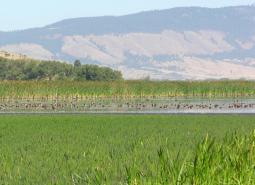
Wetlands
Wetlands are habitats that are inundated or saturated by surface water or ground water at a frequency and duration sufficient to support vegetation typically adapted for life in sodden soil conditions. While dominated by periods of inundation, the natural ecological cycle may also include dry intervals. Permanently wet habitats include backwater sloughs, oxbow lakes, peatlands, …
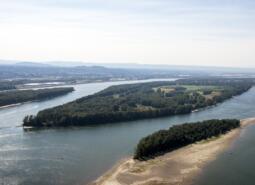
Nearshore Key Habitats
Nearshore Habitats encompass the coastal and marine habitats in the area from the 3 nautical mile outer limit of Oregon’s territorial sea, where water depths average 66 m (216 ft) and range from 17 m to 194 m (56 to 308 ft), to the supratidal areas of the shoreline affected by wave spray and overwash …
Species of Greatest Conservation Need
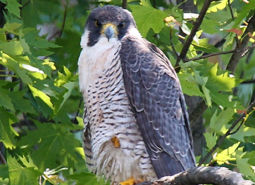
Peregrine Falcon (Observed)
Falco peregrinus anatum
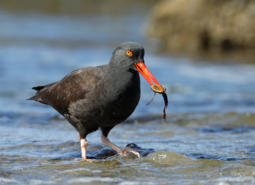
Black Oystercatcher (Observed)
Haematopus bachmani
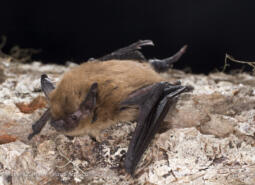
California Myotis (Modeled Habitat)
Myotis californicus
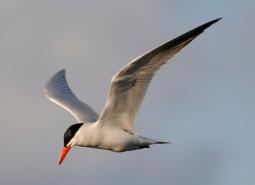
Caspian Tern (Observed)
Hydroprogne caspia
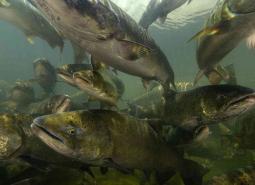
Chinook Salmon (Documented)
Oncorhynchus tshawytscha
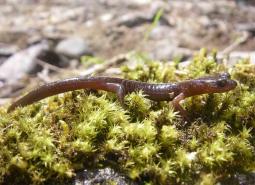
Clouded Salamander (Modeled Habitat)
Aneides ferreus
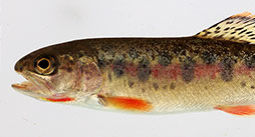
Coastal Cutthroat Trout (Documented)
Oncorhynchus clarki clarki
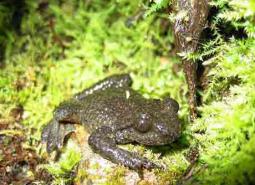
Coastal Tailed Frog (Modeled Habitat)
Ascaphus truei
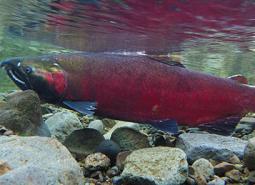
Coho Salmon (Documented)
Oncorhynchus kisutch
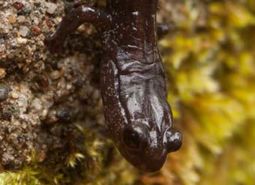
Del Norte Salamander (Observed)
Plethodon elongatus
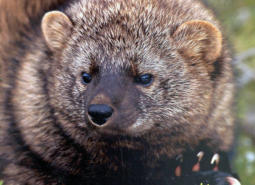
Pacific Fisher (Modeled Habitat)
Pekania pennanti
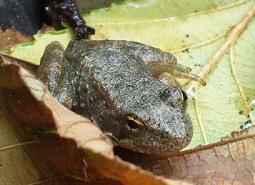
Foothill Yellow-legged Frog (Observed)
Rana boylii

Fork-tailed Storm-Petrel (Modeled Habitat)
Oceanodroma furcata
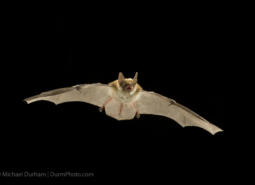
Fringed Myotis (Modeled Habitat)
Myotis thysanodes
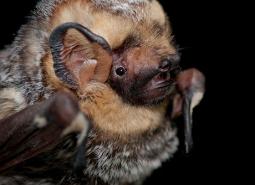
Hoary Bat (Modeled Habitat)
Lasiurus cinereus
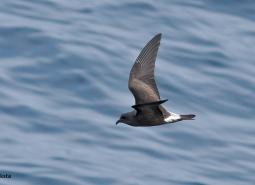
Leach’s Storm-Petrel (Modeled Habitat)
Hydrobates leucorhoa
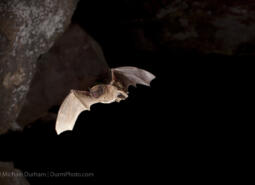
Long-legged Myotis (Modeled Habitat)
Myotis volans
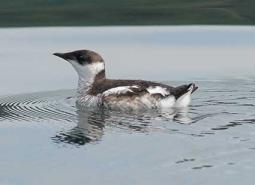
Marbled Murrelet (Observed)
Brachyramphus marmoratus
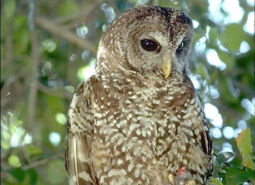
Northern Spotted Owl (Observed)
Strix occidentalis caurina
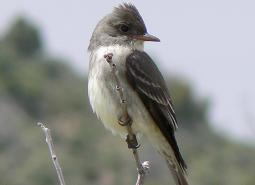
Olive-sided Flycatcher (Observed)
Contopus cooperi
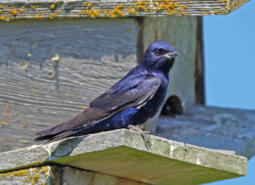
Western Purple Martin (Observed)
Progne subis arboricola
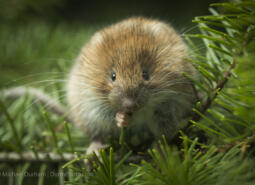
Red Tree Vole (Modeled Habitat)
Arborimus longicaudus

Ringtail (Modeled Habitat)
Bassariscus astutus
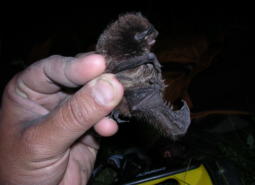
Silver-haired Bat (Modeled Habitat)
Lasionycteris noctivagans
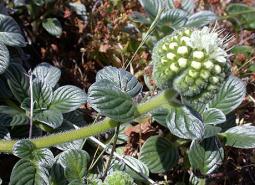
Silvery phacelia (Observed)
Phacelia argentea
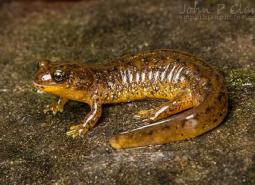
Southern Torrent Salamander (Modeled Habitat)
Rhyacotriton variegatus
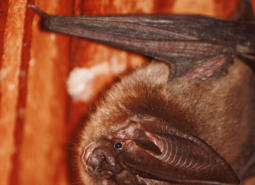
Townsend’s Big-eared Bat (Observed)
Corynorhinus townsendii
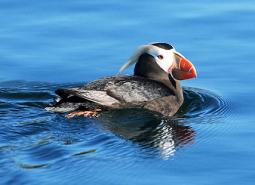
Tufted Puffin (Modeled Habitat)
Fratercula cirrhata
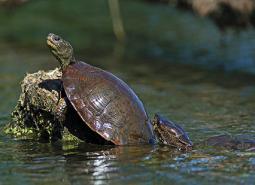
Northwestern Pond Turtle (Observed)
Actinemys marmorata
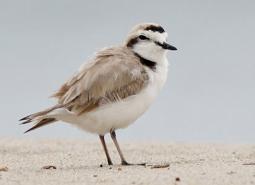
Western Snowy Plover (Observed)
Anarhynchus nivosus nivosus
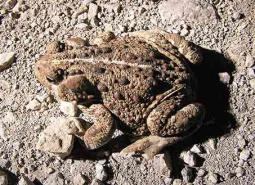
Western Toad (Modeled Habitat)
Anaxyrus boreas
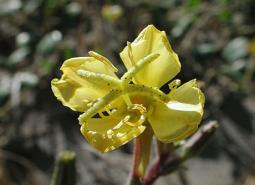
Wolf’s evening primrose (Observed)
Oenothera wolfii