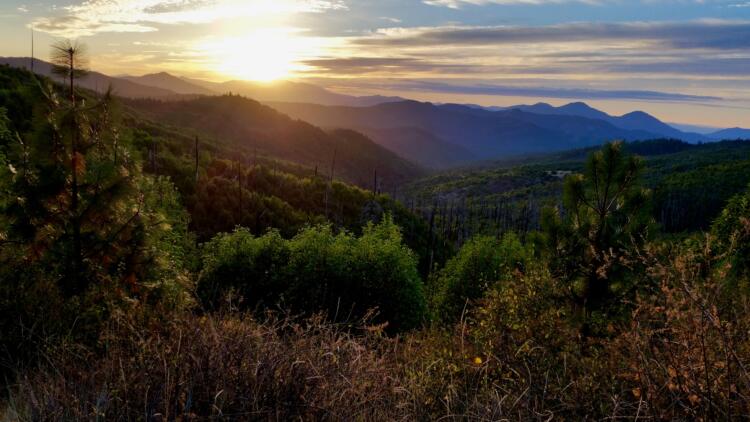
This area is diverse with open south-facing meadows, oak woodlands, and mature conifers.
Ecoregions
Key Habitats
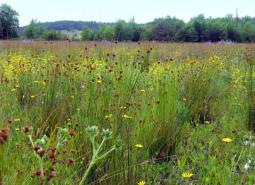
Grasslands
Grasslands include a variety of upland grass-dominated habitats, such as upland prairies, coastal bluffs, and montane grasslands.
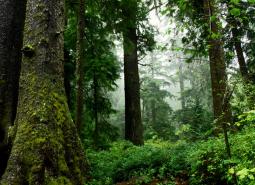
Late Successional Mixed Conifer Forests
Late successional mixed conifer forests provide a multi-layered tree canopy, including large-diameter trees, shade-tolerant tree species in the understory, and a high volume of dead wood, such as snags and logs.
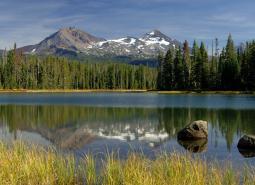
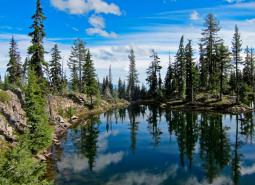
Natural Lakes
Natural lakes are relatively large bodies of freshwater surrounded by land that were formed through geological processes, such as glacial scouring, tectonic movements, volcanic activity and river meander cutoffs. In Oregon, natural lakes are defined as standing water bodies larger than 20 acres, including some seasonal lakes. Depth is not a reference for characterization of …
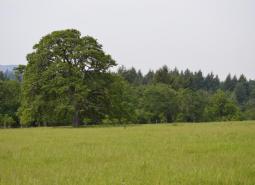
Oak Habitats
There are several oak habitat types in Oregon, where oaks comprise most of the canopy. These can include oak woodlands, oak forest, oak chaparral, and riparian oak. Oak savanna is covered in the Grasslands Key Habitat. Oaks may also co-dominate a canopy in oak/fir, oak pine, and oak hardwood habitats.
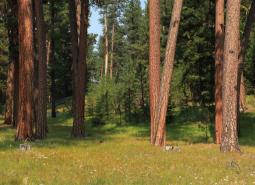
Ponderosa Pine Woodlands
Ponderosa pine woodlands are common in Oregon’s eastside ecoregions. While dominated by ponderosa pine, these woodlands may also have lodgepole pine, western juniper, aspen, western larch, grand fir, Douglas-fir, mountain mahogany, incense cedar, sugar pine, or white fir, depending on ecoregion and site conditions. Known for their open forest structure, these woodlands generally have fewer …
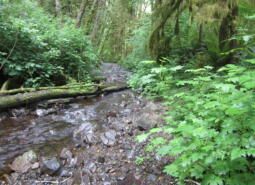
Flowing Water and Riparian Habitats
Flowing Water and Riparian Habitats include all naturally occurring flowing freshwater streams and rivers throughout Oregon as well as the adjacent riparian habitat.
Species of Greatest Conservation Need
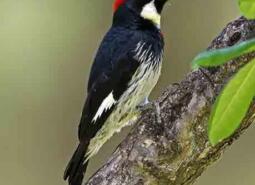
Acorn Woodpecker (Observed)
Melanerpes formicivorus
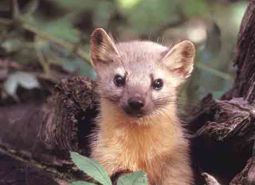
Pacific Marten (Observed)
Martes caurina
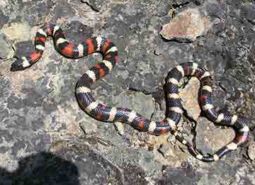
California Mountain Kingsnake (Observed)
Lampropeltis zonata
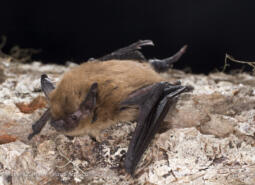
California Myotis (Observed)
Myotis californicus
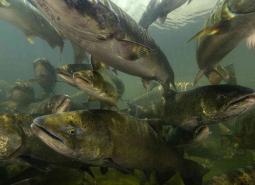
Spring Chinook Salmon – Rogue SMU (Documented)
Oncorhynchus tshawytscha
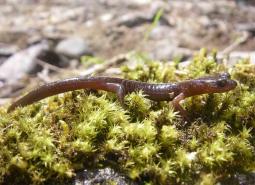
Clouded Salamander (Modeled Habitat)
Aneides ferreus
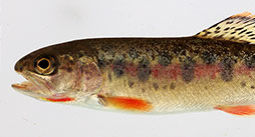
Coastal Cutthroat Trout (Documented)
Oncorhynchus clarki clarki
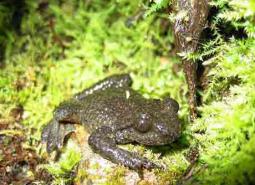
Coastal Tailed Frog (Modeled Habitat)
Ascaphus truei
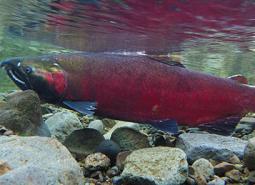
Coho Salmon (Documented)
Oncorhynchus kisutch
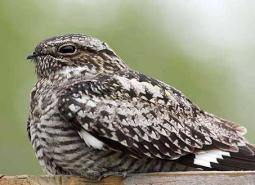
Common Nighthawk (Modeled Habitat)
Chordeiles minor
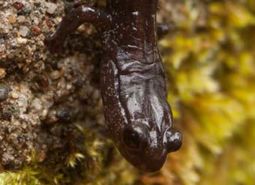
Del Norte Salamander (Modeled Habitat)
Plethodon elongatus
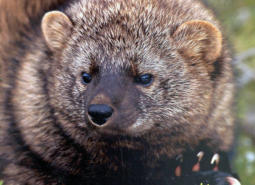
Pacific Fisher (Observed)
Pekania pennanti
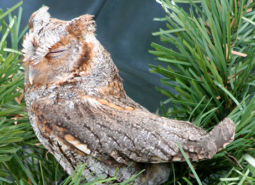
Flammulated Owl (Observed)
Psiloscops flammeolus
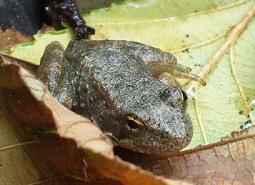
Foothill Yellow-legged Frog (Observed)
Rana boylii
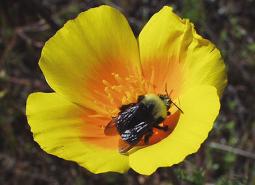
Franklin’s Bumble Bee (Observed)
Bombus franklini
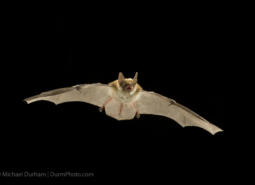
Fringed Myotis (Observed)
Myotis thysanodes
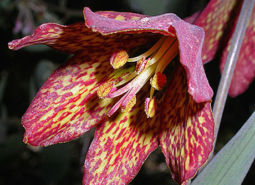
Gentner’s fritillary (Observed)
Fritillaria gentneri
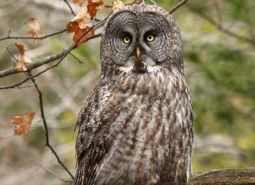
Great Gray Owl (Observed)
Strix nebulosa
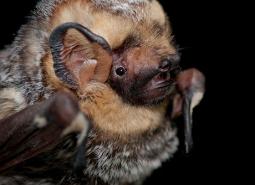
Hoary Bat (Modeled Habitat)
Lasiurus cinereus
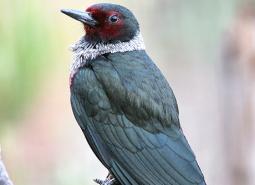
Lewis’s Woodpecker (Modeled Habitat)
Melanerpes lewis
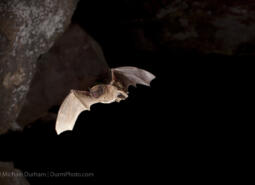
Long-legged Myotis (Observed)
Myotis volans
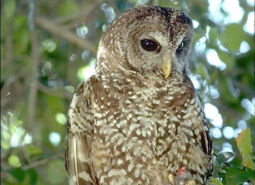
Northern Spotted Owl (Observed)
Strix occidentalis caurina
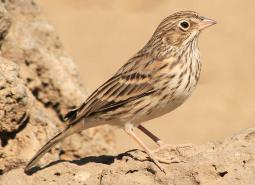
Oregon Vesper Sparrow (Observed)
Pooecetes gramineus affinis
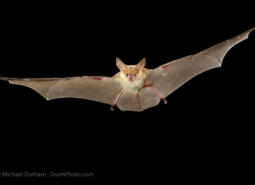
Pallid Bat (Observed)
Antrozous pallidus
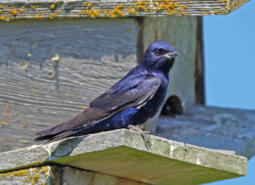
Western Purple Martin (Observed)
Progne subis arboricola

Ringtail (Observed)
Bassariscus astutus
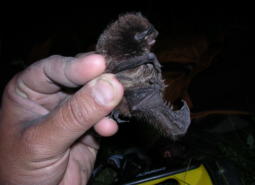
Silver-haired Bat (Observed)
Lasionycteris noctivagans
Siskiyou Hesperian (Observed)
Vespericola sierranus
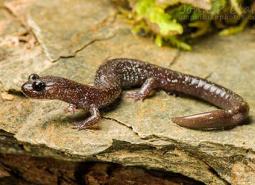
Siskiyou Mountains Salamander (Observed)
Plethodon stormi
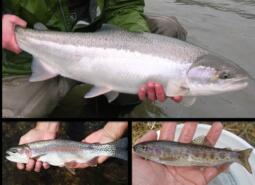
Steelhead / Rainbow / Redband Trout (Documented)
Oncorhynchus mykiss ssp
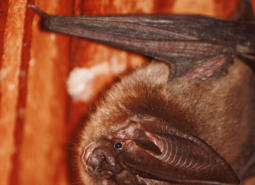
Townsend’s Big-eared Bat (Observed)
Corynorhinus townsendii
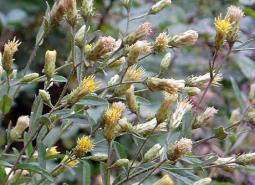
Wayside aster (Observed)
Eucephalus vialis
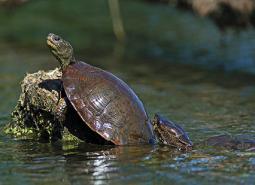
Northwestern Pond Turtle (Observed)
Actinemys marmorata

White-headed Woodpecker (Modeled Habitat)
Dryobates albolarvatus albolarvatus
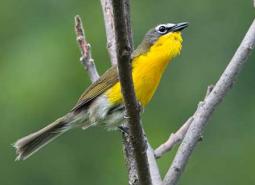
Yellow-breasted Chat (Observed)
Icteria virens auricollis