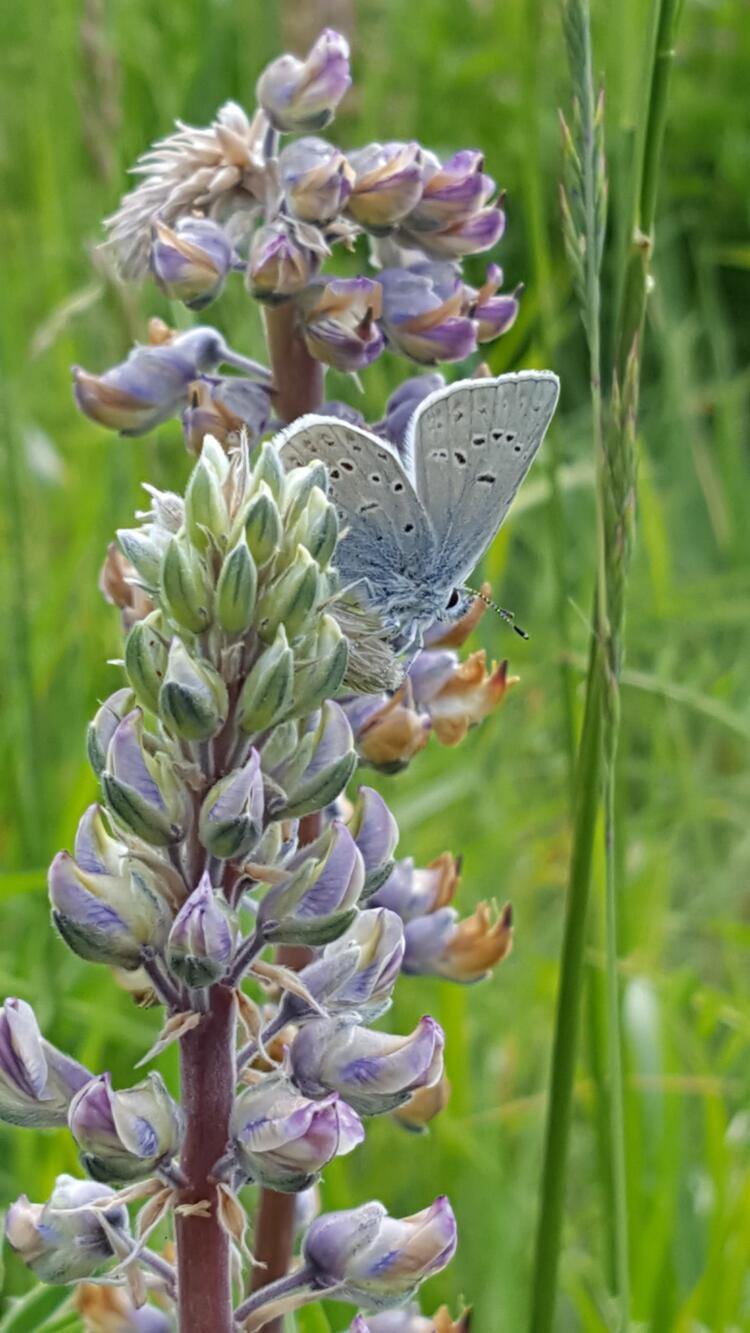
The Scoggins Valley – Mount Richmond COA (41 mi2) is located in the foothills of the Coast Range, extending from Henry Hagg Lake south to Moore’s Valley. The area includes the Upper Tualatin-Scoggins Watershed, portions of the North Yamhill River and headwater tributaries, Mount Richmond, and the Oak Ridge / Moore’s Valley area. This COA is adjacent to the Tualatin River COA.
Ecoregions
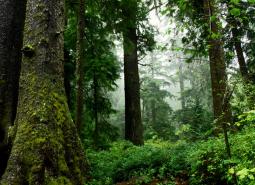
Coast Range
Oregon's Coast Range, known for its dramatic scenery, is extremely diverse, with habitats ranging from open sandy dunes to lush forests and from tidepools to headwater streams. It follows the coastline and extends east through coastal forest to the border of the Willamette Valley and Klamath Mountains ecoregions
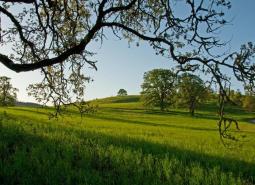
Willamette Valley
The Willamette Valley ecoregion is bounded on the west by the Coast Range and on the east by the Cascade Range. This long mostly level alluvial plain has some scattered areas of low basalt, and contrasts with productive farmland and large urban areas. It has the fastest-growing human population in the state resulting in challenges due to land-use changes.
Key Habitats
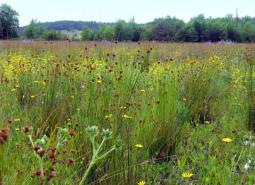
Grasslands
Grasslands include a variety of upland grass-dominated habitats, such as upland prairies, coastal bluffs, and montane grasslands.
Late Successional Mixed Conifer Forests
Late successional mixed conifer forests provide a multi-layered tree canopy, including large-diameter trees, shade-tolerant tree species in the understory, and a high volume of dead wood, such as snags and logs.
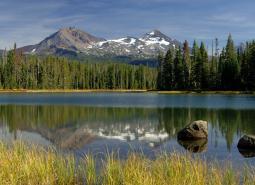
Natural Lakes
Natural lakes are relatively large bodies of freshwater surrounded by land that were formed through geological processes, such as glacial scouring, tectonic movements, volcanic activity and river meander cutoffs. In Oregon, natural lakes are defined as standing water bodies larger than 20 acres, including some seasonal lakes. Depth is not a reference for characterization of …
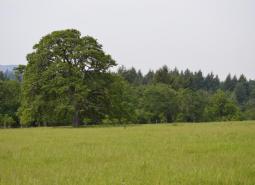
Oak Habitats
There are several oak habitat types in Oregon, where oaks comprise most of the canopy. These can include oak woodlands, oak forest, oak chaparral, and riparian oak. Oak savanna is covered in the Grasslands Key Habitat. Oaks may also co-dominate a canopy in oak/fir, oak pine, and oak hardwood habitats.
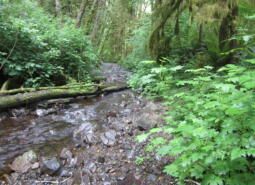
Flowing Water and Riparian Habitats
Flowing Water and Riparian Habitats include all naturally occurring flowing freshwater streams and rivers throughout Oregon as well as the adjacent riparian habitat.
Species of Greatest Conservation Need
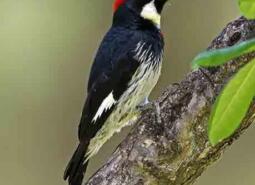
Acorn Woodpecker (Modeled Habitat)
Melanerpes formicivorus
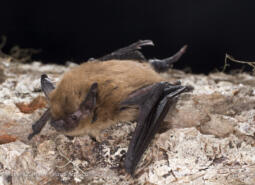
California Myotis (Modeled Habitat)
Myotis californicus
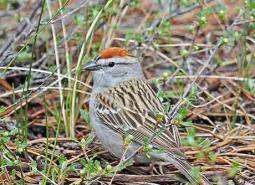
Chipping Sparrow (Observed)
Spizella passerina
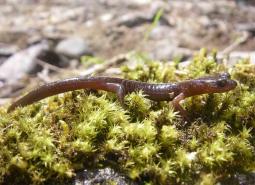
Clouded Salamander (Modeled Habitat)
Aneides ferreus
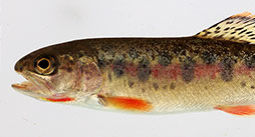
Coastal Cutthroat Trout (Documented)
Oncorhynchus clarki clarki
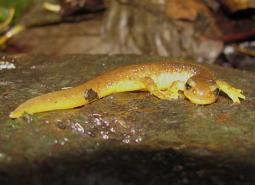
Columbia Torrent Salamander (Modeled Habitat)
Rhyacotriton kezeri
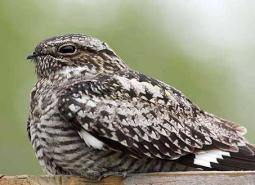
Common Nighthawk (Observed)
Chordeiles minor
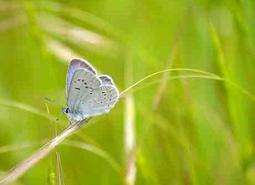
Fender’s Blue Butterfly (Observed)
Icaricia icarioides fenderi
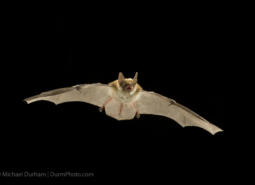
Fringed Myotis (Modeled Habitat)
Myotis thysanodes
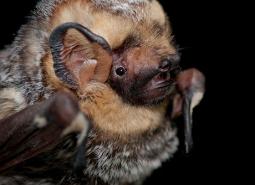
Hoary Bat (Modeled Habitat)
Lasiurus cinereus
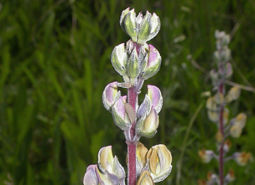
Kincaid’s lupine (Observed)
Lupinus oreganus
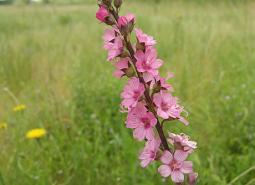
Nelson’s checkermallow (Observed)
Sidalcea nelsoniana
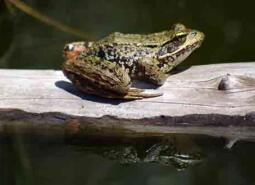
Northern Red-legged Frog (Observed)
Rana aurora
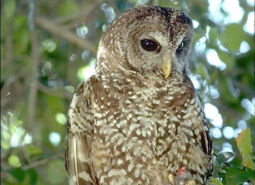
Northern Spotted Owl (Observed)
Strix occidentalis caurina
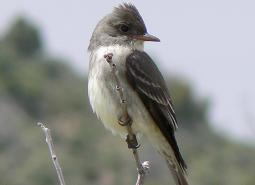
Olive-sided Flycatcher (Observed)
Contopus cooperi
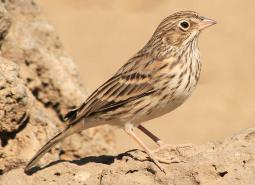
Oregon Vesper Sparrow (Modeled Habitat)
Pooecetes gramineus affinis
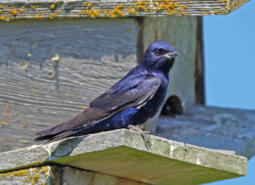
Western Purple Martin (Observed)
Progne subis arboricola
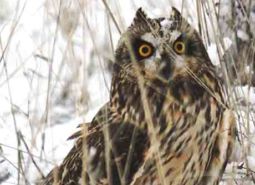
Short-eared Owl (Modeled Habitat)
Asio flammeus flammeus
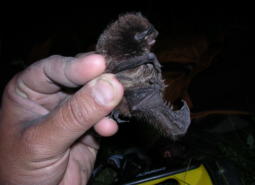
Silver-haired Bat (Modeled Habitat)
Lasionycteris noctivagans
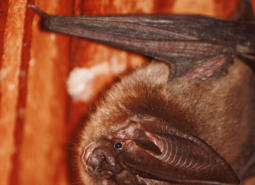
Townsend’s Big-eared Bat (Modeled Habitat)
Corynorhinus townsendii
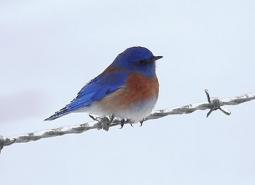
Western Bluebird (Observed)
Sialia mexicana occidentalis
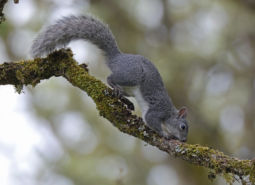
Western Gray Squirrel (Modeled Habitat)
Sciurus griseus
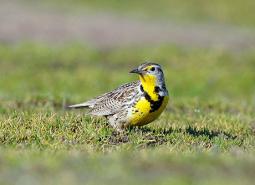
Western Meadowlark (Observed)
Sturnella neglecta
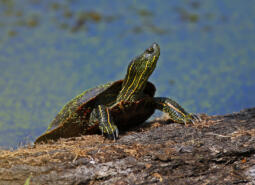
Western Painted Turtle (Observed)
Chrysemys picta belli
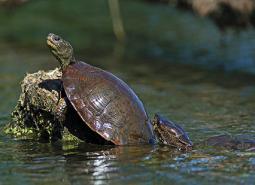
Northwestern Pond Turtle (Observed)
Actinemys marmorata
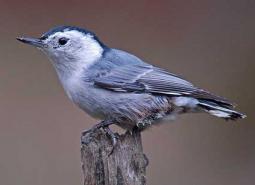
White-breasted Nuthatch (Pacific) (Documented)
Sitta carolinensis aculeata
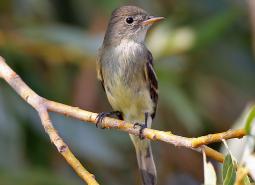
Willow Flycatcher (Observed)
Empidonax traillii
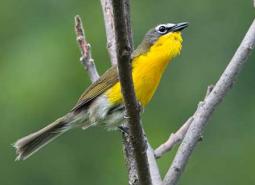
Yellow-breasted Chat (Observed)
Icteria virens auricollis