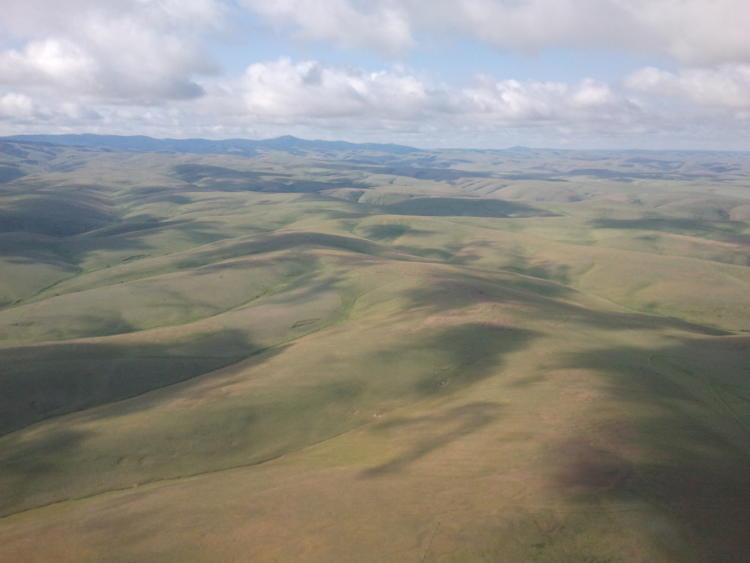
Geographic boundaries of the COAs were updated for the 2026 State Wildlife Action Plan and the associated COA profiles are intended to provide additional information. Content of each COA profile is being refined and will be updated to reflect current conditions when feasible. Please help us by submitting information on Local Conservation Actions, Plans, or Potential Partners to: OCS.revision@odfw.oregon.gov.
This is the largest COA within the Columbia Plateau Ecoregion extending from Rock Creek to Butter Creek, totaling 809 square miles.
Ecoregions
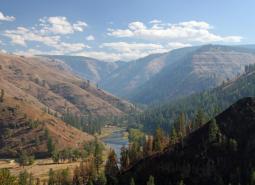
Blue Mountains
Located in NE Oregon, the Blue Mountains ecoregion is the largest ecoregion in the state. It provides a diverse complex of mountain ranges, valleys, and plateaus that extend beyond Oregon into the states of Idaho and Washington.
Columbia Plateau
The Columbia Plateau ecoregion was shaped by cataclysmic floods and large deposits of wind-borne silt and sand earlier in its geological history. It is dominated by a rolling landscape of arid lowlands dissected by several important rivers, and extends from the eastern slopes of the Cascades Mountains, south and east from the Columbia River to the Blue Mountains.
Key Habitats
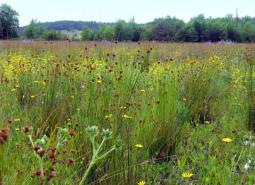
Grasslands
Grasslands include a variety of upland grass-dominated habitats, such as upland prairies, coastal bluffs, and montane grasslands.
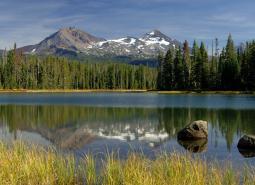
Natural Lakes
Natural lakes are relatively large bodies of freshwater surrounded by land that were formed through geological processes, such as glacial scouring, tectonic movements, volcanic activity and river meander cutoffs. In Oregon, natural lakes are defined as standing water bodies larger than 20 acres, including some seasonal lakes. Depth is not a reference for characterization of …
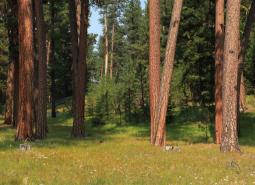
Ponderosa Pine Woodlands
Ponderosa pine woodlands are common in Oregon’s eastside ecoregions. While dominated by ponderosa pine, these woodlands may also have lodgepole pine, western juniper, aspen, western larch, grand fir, Douglas-fir, mountain mahogany, incense cedar, sugar pine, or white fir, depending on ecoregion and site conditions. Known for their open forest structure, these woodlands generally have fewer …
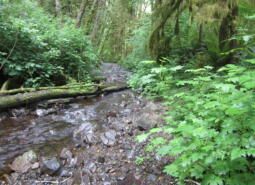
Flowing Water and Riparian Habitats
Flowing Water and Riparian Habitats include all naturally occurring flowing freshwater streams and rivers throughout Oregon as well as the adjacent riparian habitat.
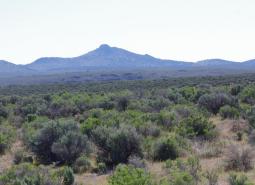
Sagebrush Habitats
Sagebrush habitats include all sagebrush steppe- and shrubland-dominated communities found east of the Cascade Mountains.
Species of Greatest Conservation Need
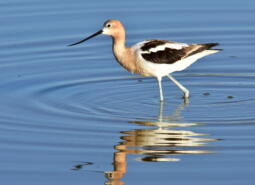
American Avocet (Observed and Modeled)
Recurvirostra americana
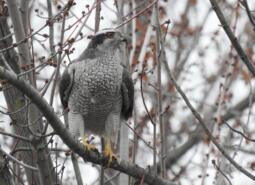
American Goshawk (Observed and Modeled)
Astur atricapillus
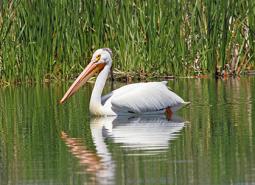
American White Pelican (Observed and Modeled)
Pelecanus erythrorhynchos
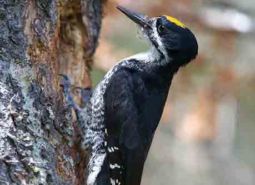
Black-backed Woodpecker (Modeled)
Picoides arcticus
Black Tern (Observed and Modeled)
Chlidonias niger
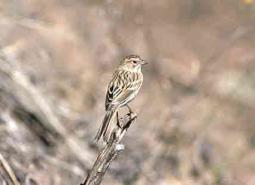
Brewer’s Sparrow (Observed and Modeled)
Spizella breweri breweri
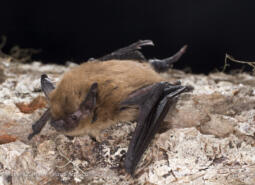
California Myotis (Modeled)
Myotis californicus
Canyon Bat (Modeled)
Parastrellus hesperus
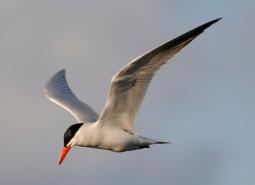
Caspian Tern (Observed and Modeled)
Hydroprogne caspia
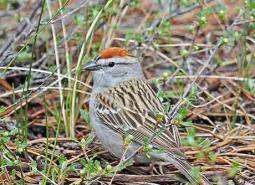
Chipping Sparrow (Observed and Modeled)
Spizella passerina
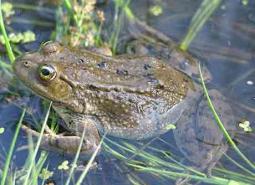
Columbia Spotted Frog (Modeled)
Rana luteiventris
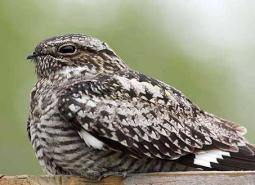
Common Nighthawk (Observed and Modeled)
Chordeiles minor
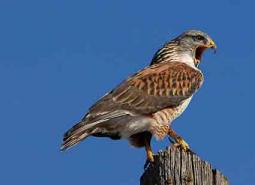
Ferruginous Hawk (Observed and Modeled)
Buteo regalis
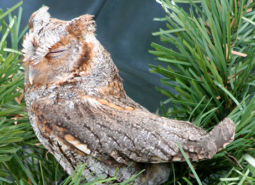
Flammulated Owl (Modeled)
Psiloscops flammeolus
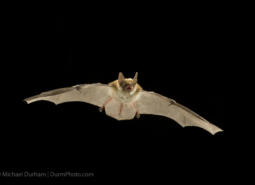
Fringed Myotis (Modeled)
Myotis thysanodes
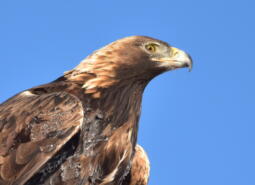
Golden Eagle (Observed and Modeled)
Aquila chrysaetos
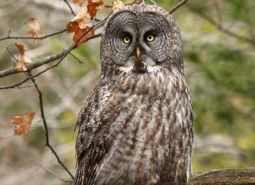
Great Gray Owl (Modeled)
Strix nebulosa
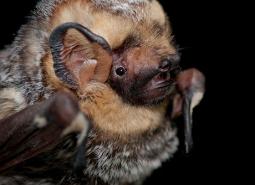
Hoary Bat (Observed and Modeled)
Lasiurus cinereus
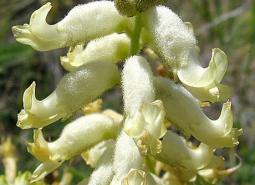
Lawrence’s Milkvetch (Observed)
Astragalus collinus var. laurentii
Little Brown Myotis (Observed and Modeled)
Myotis lucifugus
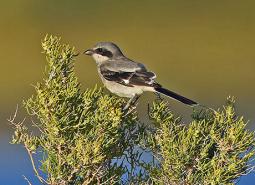
Loggerhead Shrike (Observed and Modeled)
Lanius ludovicianus
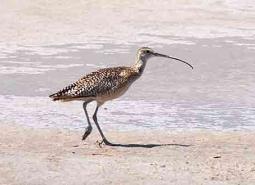
Long-billed Curlew (Observed and Modeled)
Numenius americanus
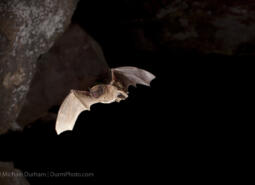
Long-legged Myotis (Modeled)
Myotis volans
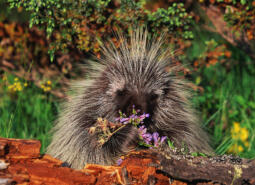
North American Porcupine (Modeled)
Erethizon dorsatum
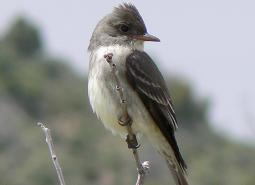
Olive-sided Flycatcher (Observed and Modeled)
Contopus cooperi
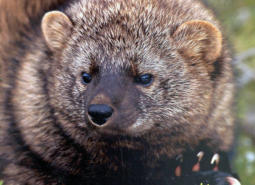
Pacific Fisher (Modeled)
Pekania pennanti
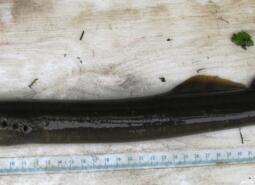
Pacific Lamprey (Modeled)
Entosphenus tridentatus
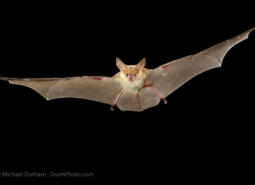
Pallid Bat (Modeled)
Antrozous pallidus
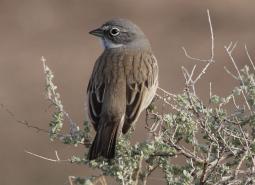
Sagebrush Sparrow (Observed)
Artemisiospiza nevadensis
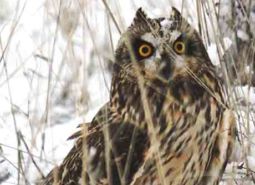
Short-eared Owl (Observed and Modeled)
Asio flammeus flammeus
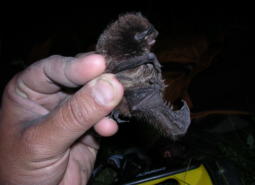
Silver-haired Bat (Observed and Modeled)
Lasionycteris noctivagans
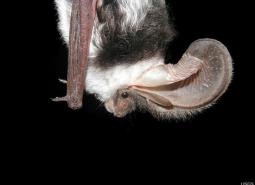
Spotted Bat (Modeled)
Euderma maculatum
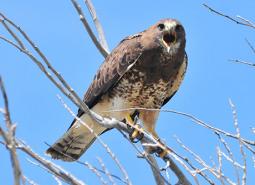
Swainson’s Hawk (Observed and Modeled)
Buteo swainsoni
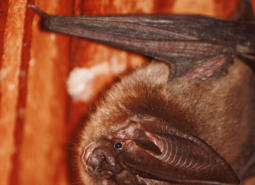
Townsend’s Big-eared Bat (Modeled)
Corynorhinus townsendii
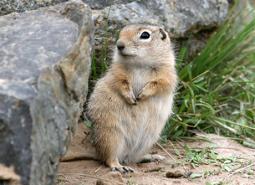
Washington Ground Squirrel (Observed and Modeled)
Urocitellus washingtoni
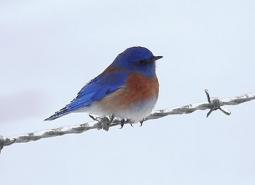
Western Bluebird (Observed and Modeled)
Sialia mexicana occidentalis
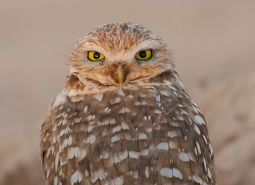
Western Burrowing Owl (Modeled)
Athene cunicularia hypugaea
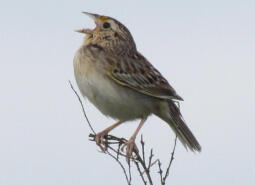
Western Grasshopper Sparrow (Modeled)
Ammodramus savannarum perpallidus
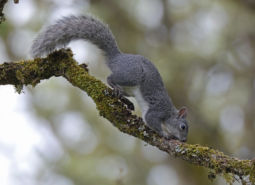
Western Gray Squirrel (Modeled)
Sciurus griseus
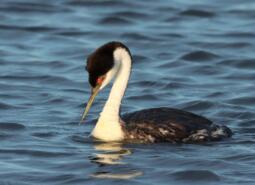
Western Grebe (Observed and Modeled)
Aechmophorus occidentalis
Western Long-eared Myotis (Observed and Modeled)
Myotis evotis
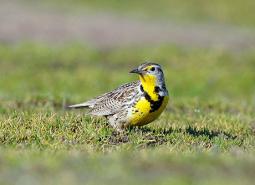
Western Meadowlark (Observed and Modeled)
Sturnella neglecta
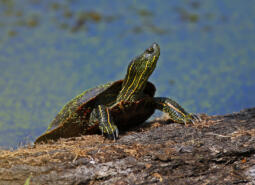
Western Painted Turtle (Modeled)
Chrysemys picta belli
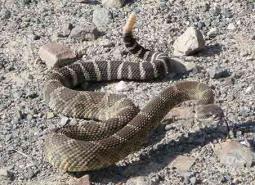
Western Rattlesnake (Observed and Modeled)
Crotalus oreganus oreganus
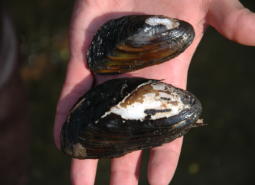
Western Ridged Mussel (Observed)
Gonidea angulata
Western Small-footed Myotis (Observed and Modeled)
Myotis ciliolabrum
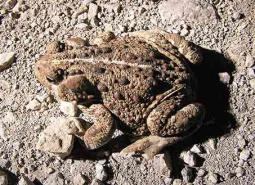
Western Toad (Modeled)
Anaxyrus boreas
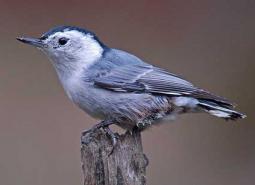
White-breasted Nuthatch (Pacific) (Modeled)
Sitta carolinensis aculeata

White-headed Woodpecker (Modeled)
Dryobates albolarvatus albolarvatus
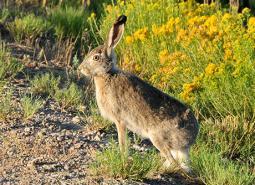
White-tailed Jackrabbit (Observed and Modeled)
Lepus townsendii
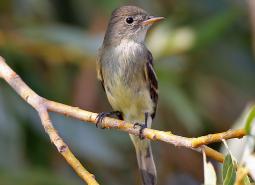
Willow Flycatcher (Observed and Modeled)
Empidonax traillii
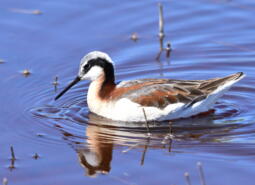
Wilson’s Phalarope (Observed and Modeled)
Phalaropus tricolor
Yuma Myotis (Observed and Modeled)
Myotis yumanensis