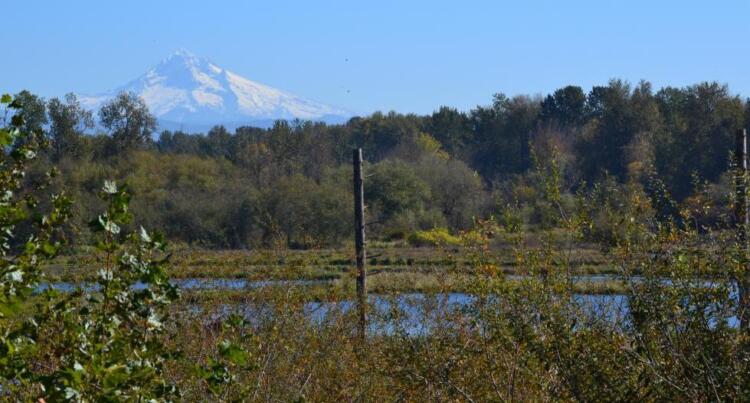
Geographic boundaries of the COAs were updated for the 2026 State Wildlife Action Plan and the associated COA profiles are intended to provide additional information. Content of each COA profile is being refined and will be updated to reflect current conditions when feasible. Please help us by submitting information on Local Conservation Actions, Plans, or Potential Partners to: OCS.revision@odfw.oregon.gov.
The Smith-Bybee Lakes and Columbia Slough COA (7.5 mi2) is located along the northern edge of the Portland metropolitan area. The Columbia Slough flows out of Fairview Lake and along the northern edge of Fairview, Maywood Park and Portland through a series of regulated levees. The Columbia Slough eventually connects to the wetland system located at Smith-Bybee Wetlands Natural Area, which is adjacent to the confluence of the Willamette and Columbia Rivers. This is an incredibly impacted area, with many environmental concerns due to nearby development. Despite this, it also contains a mosaic of habitats that support native fish and wildlife including bottomland hardwood forest, mudflats, off-channel habitats, Columbia sedge meadows, and sandy beaches. This COA is adjacent to the Lower Willamette River Floodplain COA.
Ecoregions
Key Habitats
Grasslands
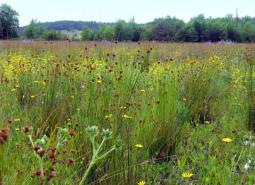
Grasslands include a variety of upland grass-dominated habitats, such as upland prairies, coastal bluffs, and montane grasslands.
Natural Lakes
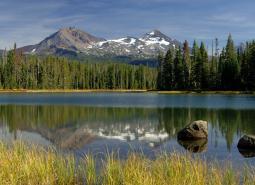
Natural lakes are relatively large bodies of freshwater surrounded by land that were formed through geological processes, such as glacial scouring, tectonic movements, volcanic activity and river meander cutoffs. In Oregon, natural lakes are defined as standing water bodies larger than 20 acres, including some seasonal lakes. Depth is not a reference for characterization of …
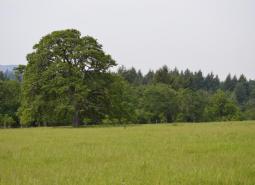
Oak Habitats
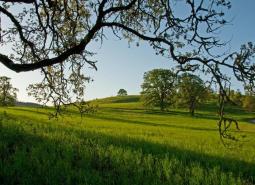
There are several oak habitat types in Oregon, where oaks comprise most of the canopy. These can include oak woodlands, oak forest, oak chaparral, and riparian oak. Oak savanna is covered in the Grasslands Key Habitat. Oaks may also co-dominate a canopy in oak/fir, oak pine, and oak hardwood habitats.
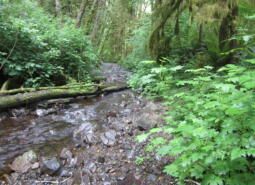
Flowing Water and Riparian Habitats
Flowing Water and Riparian Habitats include all naturally occurring flowing freshwater streams and rivers throughout Oregon as well as the adjacent riparian habitat.
Species of Greatest Conservation Need
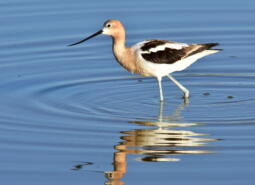
American Avocet (Observed)
Recurvirostra americana
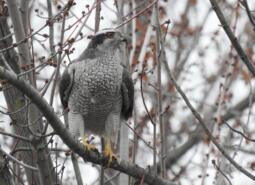
American Goshawk (Modeled)
Astur atricapillus

American Pika (Modeled)
Ochotona princeps
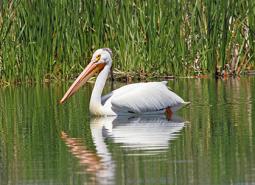
American White Pelican (Observed and Modeled)
Pelecanus erythrorhynchos
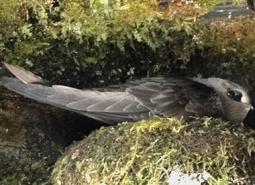
Black Swift (Observed)
Cypseloides niger borealis
Black Tern (Observed)
Chlidonias niger
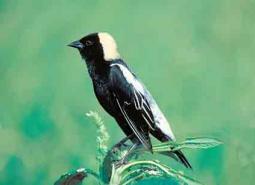
Bobolink (Observed)
Dolichonyx oryzivorus
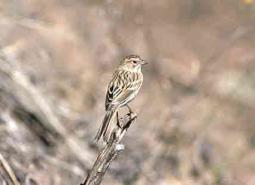
Brewer’s Sparrow (Observed)
Spizella breweri breweri

California Floater Mussel (Observed)
Anodonta californiensis
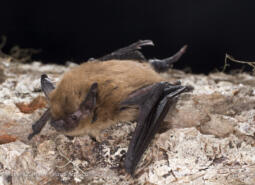
California Myotis (Modeled)
Myotis californicus
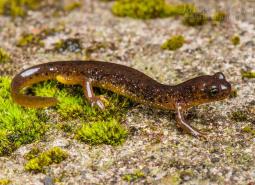
Cascade Torrent Salamander (Modeled)
Rhyacotriton cascadae
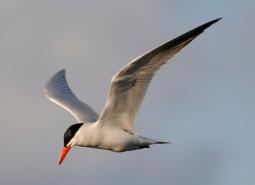
Caspian Tern (Observed)
Hydroprogne caspia
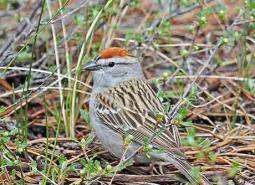
Chipping Sparrow (Observed)
Spizella passerina
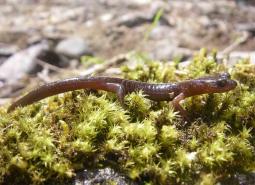
Clouded Salamander (Modeled)
Aneides ferreus
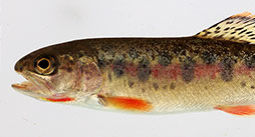
Coastal Cutthroat Trout (Modeled)
Oncorhynchus clarki clarki
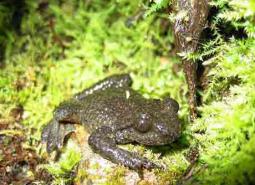
Coastal Tailed Frog (Modeled)
Ascaphus truei
Columbia Yellowcress (Observed)
Rorippa columbiae
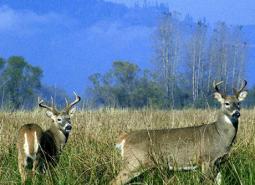
Columbian White-tailed Deer (Modeled)
Odocoileus virginianus leucurus
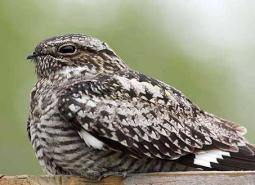
Common Nighthawk (Observed and Modeled)
Chordeiles minor
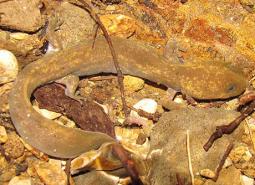
Cope’s Giant Salamander (Modeled)
Dicamptodon copei
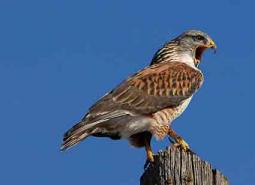
Ferruginous Hawk (Observed)
Buteo regalis
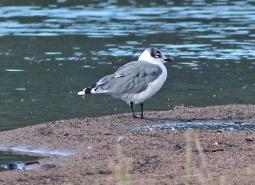
Franklin’s Gull (Observed)
Leucophaeus pipixcan
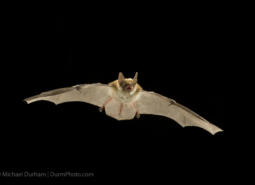
Fringed Myotis (Modeled)
Myotis thysanodes
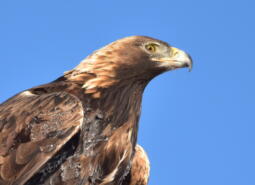
Golden Eagle (Observed)
Aquila chrysaetos
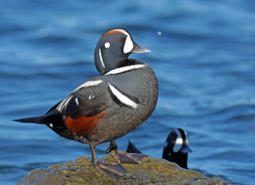
Harlequin Duck (Observed)
Histrionicus histrionicus
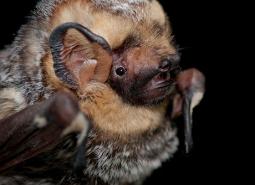
Hoary Bat (Modeled)
Lasiurus cinereus
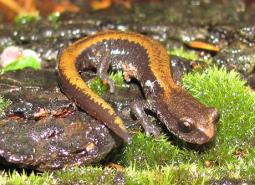
Larch Mountain Salamander (Modeled)
Plethodon larselli
Little Brown Myotis (Observed and Modeled)
Myotis lucifugus
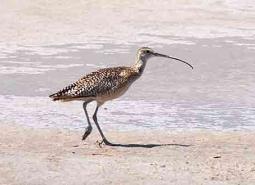
Long-billed Curlew (Observed)
Numenius americanus
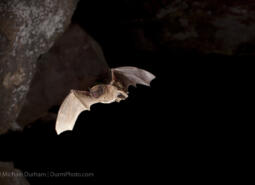
Long-legged Myotis (Modeled)
Myotis volans
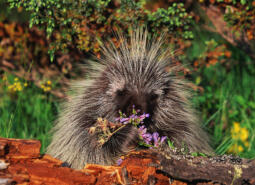
North American Porcupine (Modeled)
Erethizon dorsatum
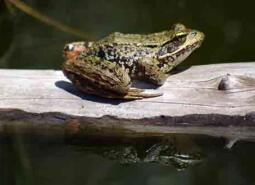
Northern Red-legged Frog (Observed and Modeled)
Rana aurora
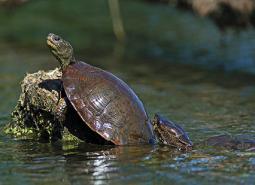
Northwestern Pond Turtle (Observed and Modeled)
Actinemys marmorata
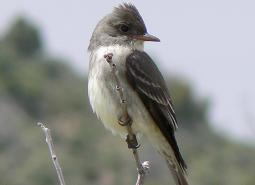
Olive-sided Flycatcher (Observed and Modeled)
Contopus cooperi
Oregon Floater Mussel (Observed)
Anodonta oregonensis
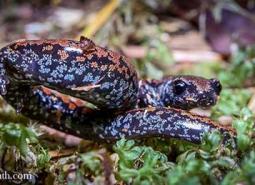
Oregon Slender Salamander (Modeled)
Batrachoseps wrighti
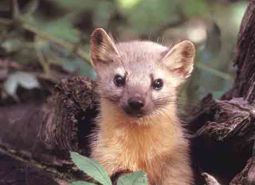
Pacific Marten (Modeled)
Martes caurina
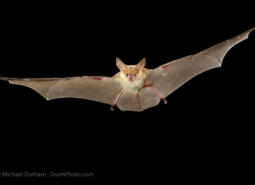
Pallid Bat (Modeled)
Antrozous pallidus
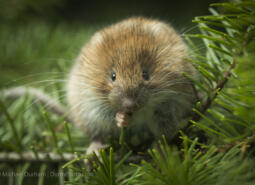
Red Tree Vole (Modeled)
Arborimus longicaudus
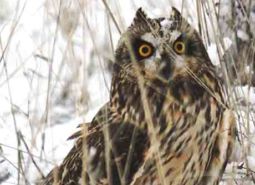
Short-eared Owl (Observed and Modeled)
Asio flammeus flammeus
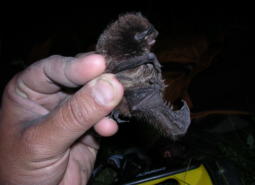
Silver-haired Bat (Observed and Modeled)
Lasionycteris noctivagans
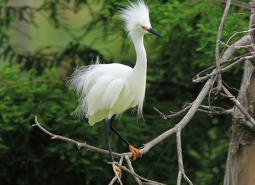
Snowy Egret (Observed)
Egretta thula brewsteri
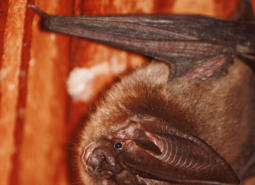
Townsend’s Big-eared Bat (Modeled)
Corynorhinus townsendii
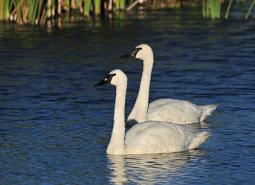
Trumpeter Swan (Observed and Modeled)
Cygnus buccinator
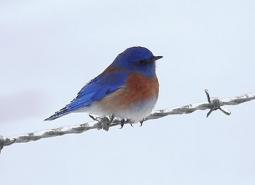
Western Bluebird (Observed)
Sialia mexicana occidentalis
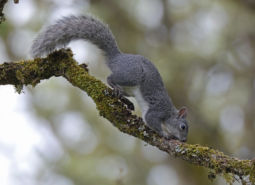
Western Gray Squirrel (Modeled)
Sciurus griseus
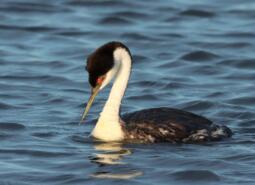
Western Grebe (Observed and Modeled)
Aechmophorus occidentalis
Western Long-eared Myotis (Modeled)
Myotis evotis
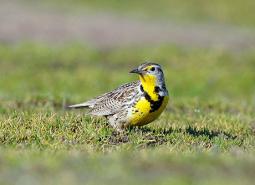
Western Meadowlark (Observed and Modeled)
Sturnella neglecta
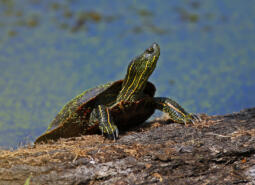
Western Painted Turtle (Observed and Modeled)
Chrysemys picta belli
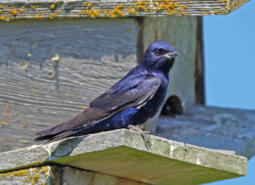
Western Purple Martin (Modeled)
Progne subis arboricola
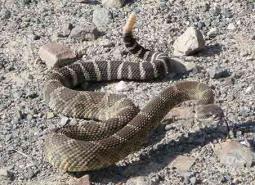
Western Rattlesnake (Modeled)
Crotalus oreganus oreganus
Western Small-footed Myotis (Modeled)
Myotis ciliolabrum
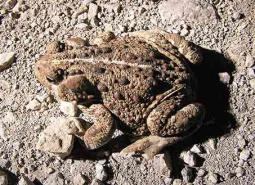
Western Toad (Modeled)
Anaxyrus boreas
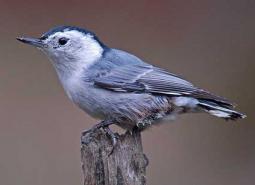
White-breasted Nuthatch (Pacific) (Modeled)
Sitta carolinensis aculeata
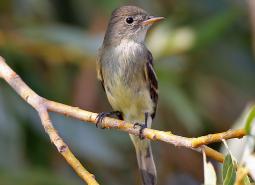
Willow Flycatcher (Observed and Modeled)
Empidonax traillii
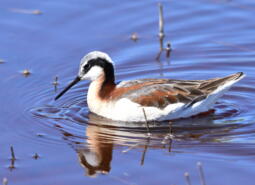
Wilson’s Phalarope (Observed)
Phalaropus tricolor
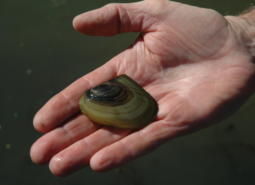
Winged Floater Mussel (Observed)
Anodonta nuttalliana
Yuma Myotis (Observed and Modeled)
Myotis yumanensis