
Description
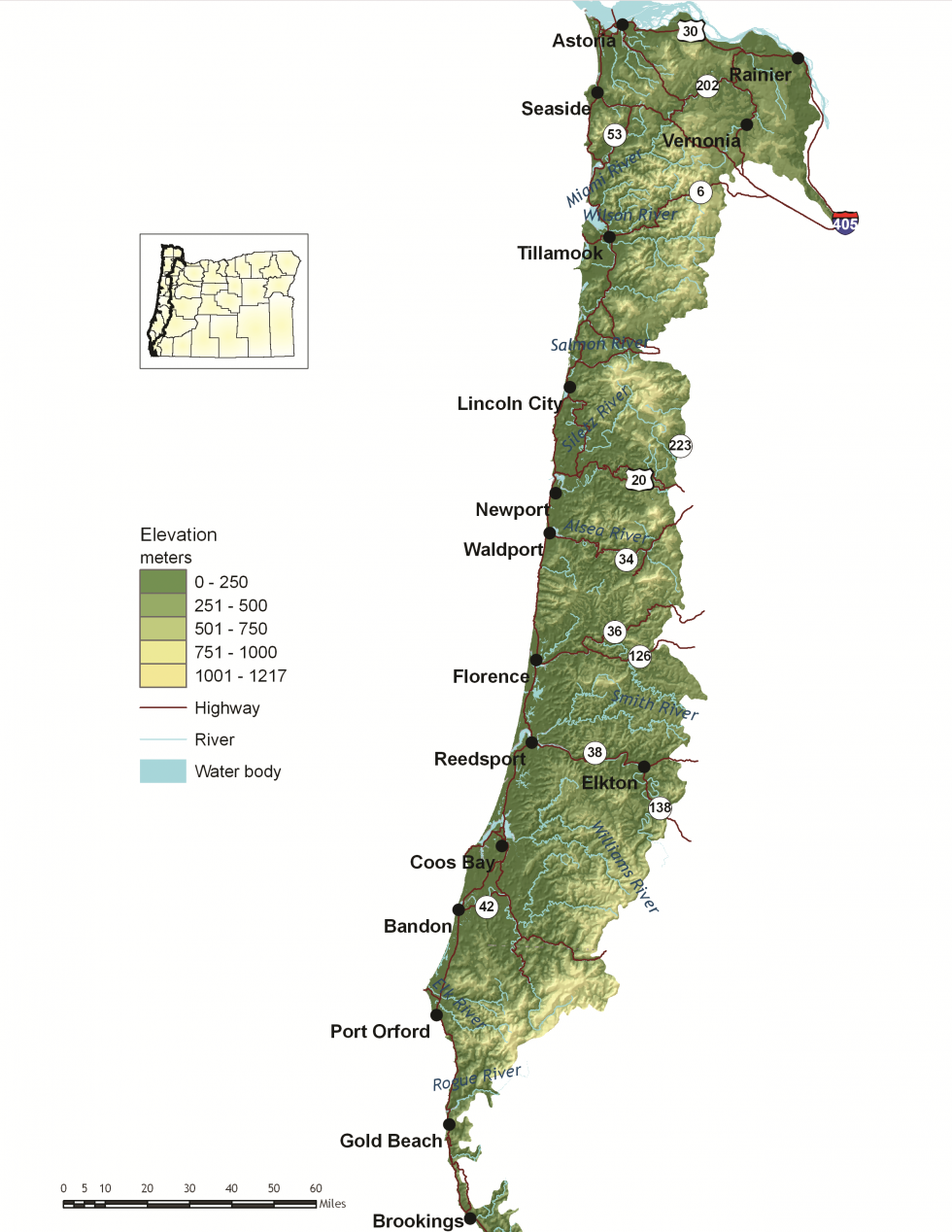
Oregon’s Coast Range ecoregion is known for its dramatic scenery. It is also extremely ecologically diverse, with habitats ranging from open sandy dunes to lush forests and from marshes to headwater streams. Along the coastline, habitats are directly influenced by the marine environment and include beaches, estuaries, and headlands. The Coast Range includes the highest density of streams found in the state, and deciduous riparian vegetation is distinct from surrounding coniferous forests. The Coast Range ecoregion includes the entire reach of the Oregon coastline, bordering the Nearshore ecoregion, and extends east through coastal forests to the border of the Willamette Valley and Klamath Mountains ecoregions.
The topography is highly variable, from coastal mountain ranges characterized by steep mountain slopes and sharp ridges to coastal lowlands. Elevation varies from sea level to Marys Peak, which is roughly 4,100 feet high; however, main ridge summits are approximately 1,400-2,500 feet.
The Coast Range’s climate is influenced by its topography and cool, moist air from the ocean, making it the wettest and mildest in the state. These conditions are ideal for Oregon’s highly productive temperate rainforests, which are important ecologically and for local economies. Most of the ecoregion is dominated by coniferous forests. Large forest fires are historically infrequent but are severe when they occur. For example, the Tillamook Burn, a series of wildfires that occurred from 1939-1951, burned approximately 350,000 acres. Warming temperatures and changes in timing and patterns of precipitation due to climate change may increase fire frequency and severity in this ecoregion.
Some towns in Oregon’s Coast Range ecoregion include Astoria, Bandon, Brookings, Cannon Beach, Elkton, Florence, Gold Beach, Lincoln City, Newport, Tillamook, Waldport, and Yachats. The largest urban area on the coast is in Coos Bay/North Bend, which serves as a hub for fishing, shellfish, forest products, and transportation. Forestry remains the primary industry in the interior portion of the ecoregion. The Oregon coast offers excellent recreational opportunities, and tourism is important to local communities. Commercial and recreational fishing and fish processing are significant components of the economy. The Coast Range is a popular destination for retirees, so retirement services are important to coastal communities.
Characteristics
Important Industries
Forest products, agriculture, commercial fishing, fish processing, tourism and recreation, and retirement services
Major Agricultural Products
Livestock forage, timber, beef and dairy cattle
Important Nature-based Recreational Areas
Coos Bay, Tillamook Bay, Oregon Dunes National Recreation Area, Siuslaw National Forest, Clatsop and Tillamook State Forests, Elliot State Research Forest, Lower Rogue River, South Slough National Estuarine Research Reserve, Cape Kiwanda, Jewell Meadows Wildlife Area, Coquille Valley Wildlife Area
Elevation
From 0 to 4,100 feet
Important Rivers
Alsea, Chetco, Clastskanie, Coos, Coquille, Illinois, Lewis and Clark, Necanicum, Nehalem, Nestucca, Rogue, Siletz, Siuslaw, Trask, Umpqua, Wilson, Yaquina, Youngs
Conservation Issues and Priorities
Demand for property development is increasing due to growing numbers of people recreating, relocating, and retiring along the Oregon coast. Development in many communities is putting higher demands on surface water in streams, reducing flows during critical time periods. Tidal and lowland habitats, which are important for rearing fish, are also being significantly impacted by coastal development and agriculture. Growth of communities along US Highway 101 creates barriers to wildlife movement between coastal and inland habitats, and new roadways needed to accommodate growth impact fish at stream crossings and increase mortality risks for wildlife. Tourism is greatly increasing fish and wildlife exposure to human presence, particularly for shorebirds and waterfowl that use bays and mudflats near towns to feed and rest during migration.
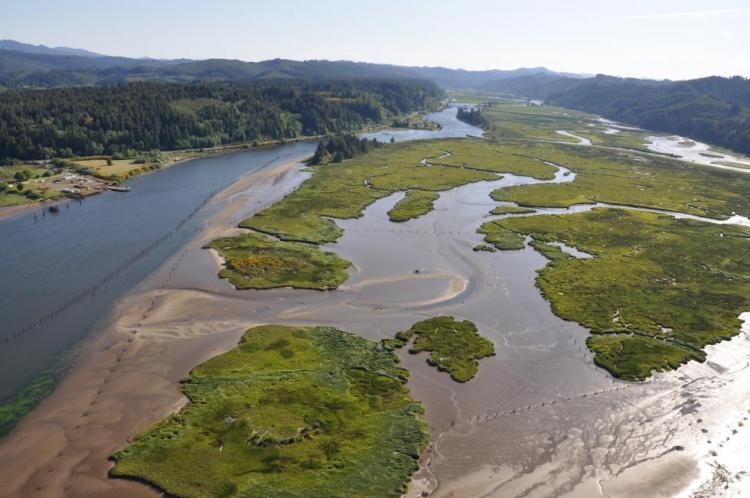
Careful resource planning helps to balance these increasing demands while maintaining coastal fish, wildlife, and habitats. Coordinated, broad-scale planning is especially important given the diversity of the Coast Range ecoregion. Although many plans currently exist, such as the Northwest Forest Plan, there is a continuing need to consider the unique requirements of transitional zones such as estuaries, and to integrate marine and inland conservation planning.
Much of the ecoregion is publicly owned and managed to balance recreation, tourism, and conservation. However, ownership in the northern part of the ecoregion is particularly fragmented. Restoration of watershed processes and functions (e.g., floodplain connectivity), and restoration of habitat complexity (e.g., woody debris) to stream and riparian areas are major concerns throughout the entire Coast Range ecoregion. Restoring flows to headwater streams maintains ecological connections important for many species.
Changing climate conditions, such as warming temperatures and altered timing and patterns of precipitation, are impacting weather patterns. Shifts in water availability throughout the year may contribute to habitat loss for fish and amphibians, and warmer, drier summers are expected to increase the risk of wildfire. Warming stream temperatures are limiting summer rearing of some anadromous fish species. Altered hydrology, changes in storm patterns, and warming temperatures may also impact stream flows and estuaries, which serve as important habitat for many invertebrates, fish, and marine and terrestrial wildlife species.
Key Conservation Issues of particular concern in the Coast Range ecoregion include Land Use Changes, Climate Change, and Invasive Species. In addition to the statewide issues, oil spills, loss of estuarine habitat, recreational use, and loss of habitat connectivity are of particular concern in coastal areas.
Climate
The Coast Range terrain is varied, with steeply sloping mountains, hills, sand dunes, and beaches. The climate is maritime with warm, dry summers and mild, very wet winters. Mean annual temperature and precipitation fluctuate considerably due to the large variation in latitudes and elevations.
Warming is projected in all seasons across the Coast Range ecoregion, with the largest increases projected for the summer. For a high emissions scenario (SSP585), summer average temperature is projected to increase by as much as 5°F for the 2040-2069 period and by as much as 8°F by the end of the century (Figure 1). Winters in the Coast Range are projected to be wetter, and summers are projected to be drier in the future. In late summer (July – September), total precipitation is projected to decrease by as much as 20% by the end of the century (Figure 2). For the cool season, projections show an increase in precipitation of 9%. The confidence in changes in cool season precipitation is greater than in late summer precipitation. For a high emissions scenario (SSP585), growing degree days are projected to double by the end of the century. Frost days are projected to decrease from an average of 63 per year to about 15–30 per year, on average, for the 2070-2099 period.


Limiting Factors and Recommended Approaches
Limiting Factor: Land Use Conversion and Urbanization
CMP Direct Threats 1, 2.1, 2.3, 7.2
Some areas of the Coast Range are developing rapidly, especially coastal communities, such as Cannon Beach, Lincoln City, and Newport. Steep slopes limit the amount of land available for development, and concentrate it in sensitive areas, particularly flatter lowlands and wetlands near rivers and estuaries. Residential development contributes to habitat loss and can contribute to loss of industry, such as agriculture and forestry. Historic draining of wetlands and marshes for agricultural use has also had significant impacts. Coastal rivers, wetlands, and estuaries were altered when side channels were diked, marshes drained, and channels deepened. These changes removed necessary habitat complexity, degraded water quality, and reduced estuarine habitat for fish and wildlife.
Recommended Approach
Work with community leaders and local governments to encourage planned, efficient growth. Support existing land use regulations to preserve farmland and forestland, open spaces, recreation areas, wildlife refuges, and natural habitats. Provide outreach about the benefits of wetland and tideland restoration. Support riparian buffers on all streams. Where possible, remove dikes and tide gates to restore estuarine habitats. Where tide gates need to be retained, replace older gates with side-hinged or aluminum gates that improve fish passage and hydrologic functions.
Limiting Factor: Water
CMP Direct Threats 7.2, 11.4
Water Quantity is a limiting factor for fish and wildlife. Changing climate conditions are leading to rising temperatures and altered patterns of precipitation, which affect water availability across different times of year. Surface water is the primary source of drinking water for nearly all municipal and community water providers along the coast. Some water providers currently face water shortages, and future shortages are anticipated due to decreasing supplies and increasing demand, especially during peak tourism season.
Water Quality can also limit species and habitats. Runoff from agricultural and urban areas can contaminate waterways. Landscape-scale application of herbicides in industrial timber operations can also negatively impact water quality. Warming temperatures, combined with higher nutrient levels due to agricultural runoff, are increasing the prevalence of toxic algal blooms, leading to shellfish fishery closures and fish and wildlife mortality. Timber harvest on steep slopes without control measures and agricultural grazing practices in moist soils along the coast contribute to increased sedimentation in streams, wetlands, and estuaries, causing changes in plant community composition, reducing habitat complexity, and altering water circulation and nutrient flows.
Recommended Approach
Provide incentives and information about water usage and sharing during low flow conditions (e.g., late summer). Promote water management actions that enable climate resilience and adaptation. Invest in watershed-scale projects for cold water and flow protection. Identify and protect cold water rearing and refugia habitat for aquatic species. Increase awareness and manage timing of applications of potential aquatic contaminants. Improve compliance with water quality standards and pesticide use labels administered by the DEQ and EPA. Work on implementing Senate Bill 1010 (Oregon Department of Agriculture) and DEQ Total Maximum Daily Load
water quality plans.
Limiting Factor: Habitat Fragmentation
CMP Direct Threats 1, 2.1, 2.3, 3.3, 8.1
Increasing traffic volumes, road density, recreational pressure, resource extraction, and aging water control structures contribute to habitat loss and fragmentation and create significant barriers to animal movements. In this ecoregion, US Highway 101 runs north to south, limiting connectivity between coastal dunes, estuaries, and other shoreline habitats to inland wetlands, grasslands, and forests. At the northern end of the Coast Range, US Highway 30 bisects the Columbia River floodplain marshes and upstream tidal rivers. While Oregon Forest Practices Act rules help to maintain some structural components and diversity on the landscape, commercial timber harvest can fragment forested habitats, reduce tree species diversity, and limit forest structural complexity. Many water control structures, such as culverts, are old and have not been well-maintained. These aging structures are often inundated with sediment and may be perched above water courses, preventing use by wildlife and blocking movement of fish. Older tide gates alter hydrologic functions, block fish passage, and reduce estuarine habitats.
Recommended Approach
Work with community leaders, agency partners, tribes, and forest managers to protect wildlife movement corridors and to fund and implement site-appropriate habitat enhancement and restoration efforts to facilitate wildlife movement. Promote the protection, restoration, and maintenance of Priority Wildlife Connectivity Areas, following the guidelines outlined in Oregon’s Wildlife Corridor Action Plan. Work with the Oregon Department of Transportation and county and city transportation departments to improve wildlife passage across roadways and replace aging water control structures to improve hydrologic function and permit fish passage. Prioritize timber harvest practices that retain a diversity of tree and shrub species and habitat structural components, with variable density thinning to help retain connections between forested areas.
Preserve existing farmland while restoring ecological functions that have been lost or degraded, particularly in tidal lowlands. Provide incentives (e.g., financial assistance, conservation easements) and information about the benefits of maintaining fish and wildlife habitat. Broad-scale conservation strategies will need to focus on restoring and maintaining more natural ecosystem processes and functions within areas that are managed primarily for other values. This may include an emphasis on more “conservation-friendly” management techniques for existing land uses, and restoration of some key ecosystem components such as estuarine function.
Limiting Factor: Invasive Species
CMP Direct Threat 8.1, 8.2
Non-native plant and animal invasions disrupt native communities, diminish populations of at-risk native species, and threaten the economic productivity of resource lands and waters. Invasive plants have increased substantially during the past several decades. In this ecoregion, Himalayan blackberry is widespread, with significant local impacts to meadows, riparian areas, and grasslands. Other invaders include reed canary grass, purple loosestrife, and yellow flag iris. Along the coast, European beach grass, introduced to stabilize shifting sands along roads, and gorse, introduced as an ornamental “living fence”, have substantial negative impacts. European beach grass alters dune formation and has narrowed beaches, drastically reducing open, sandy habitats that are critical to native species. Gorse crowds out native plants and chokes streams, reducing fish and wildlife habitat, and is also highly flammable, significantly increasing wildfire risk.
Invasive animals have also caused significant issues in the Coast Range. Non-native smallmouth bass have been illegally introduced to several areas in the ecoregion, including the Coquille Basin and Eel Lake, negatively impacting a variety of native fish species. American bullfrogs are rapidly expanding, competing with native species for limited resources or preying on native species and/or their eggs or young. Nutria degrade water quality and destabilize stream banks, while competing with native species, such as American beaver and muskrat, for food. Barred owls, expanding westward from their native range in the eastern US, compete directly with the native, threatened Northern spotted owl for food and habitat. Barred owls may also hybridize with spotted owls.
Emerging threats from invasive invertebrates are also becoming a concern in this ecoregion. The non-native emerald ash borer defoliates tree species characteristic of riparian habitats, such as Oregon ash, putting riparian areas, and in-stream habitats that depend on shading from bankside trees, at risk.
Recommended Approach
Emphasize prevention, risk assessment, early detection, and quick control to prevent new invasive species from becoming fully established. Prioritize management and control efforts to focus on key invasive species in high priority areas, particularly where Key Habitats and Species of Greatest Conservation Need occur. Where needed, use multiple site-appropriate tools (e.g., mechanical, chemical, and biological) to control the most damaging invasive species. Work with partners to implement measures to prevent unintentional introduction of non-native species (e.g., implement existing ballast water treatment regulations). Provide information to the public about the ecological and economic damage that invasive species cause. Work with the Oregon Invasive Species Council and other partners to educate people about invasive species issues and to prevent introductions of potentially high-impact species. Provide technical and financial assistance to landowners interested in controlling invasive species on their properties. Promote the use of native species for restoration and revegetation.
Limiting Factor: Recreational Activity
CMP Direct Threats 1.3, 4.1, 5.1, 5.2, 5.4, 6.1
Activities like hiking, biking, hunting, fishing, camping, jet boating, foraging, unmanned aerial vehicle (UAV), and off-road vehicle use can create sensory stressors for wildlife, with sound, light, and unusual smells that may disrupt behavior and deter species from moving through certain areas. Recreation contributes positively to the Coast Range’s economy and local communities and is managed carefully in many areas. However, increasing numbers of recreationists can impact sensitive areas, such as shorebird nesting areas, tidepool habitats, and haul out sites for marine mammals. There are concerns with off-leash dogs in some areas. Off-highway vehicle use and target shooting are increasing on public forestlands, especially in areas near cities. In many areas, off-highway vehicle and mountain bike use is not closely managed, leading to habitat destruction as users create new networks of unsanctioned, unregulated trails. Dispersed recreation can cause new roads and trails to fragment the landscape and can cause the spread of invasive species from other locations. As inland areas experience more very hot days and more lands in inland ecoregions are closed to the public due to wildfire, public lands in the Coast Range are experiencing greater use.
Recommended Approach
Work with state and federal forest management agencies to plan recreational use and to increase education and outreach for recreationists and associated businesses. Work with land management agencies such as the USFS to designate areas as high value recreation and low habitat impact areas. Institute road and/or area closures to protect species during sensitive times of year and decommission roads when possible. Monitor to ensure that OHV rules for use and public lands motor vehicle use maps are enforced by the managing agencies. Improve public awareness of sensitive areas through signage and kiosks. Follow guidelines for responsible recreation, such as Leave No Trace, to minimize impacts.
Limiting Factor: Oil Spills
CMP Direct Threats 4.1, 4.3, 9.2
Oil spills along the coast can have devastating effects on coastal habitats, fish, shellfish, and wildlife. Tidal flux can spread oil or other hazardous materials around sensitive habitats very quickly. Rapid response in the event of a spill is essential. Additionally, spills of hazardous materials or oil from vehicles traveling on roads along the coast could potentially impact nearby rivers, wetlands, estuaries, fish, and aquatic wildlife.
Recommended Approach
Ensure rapid response and preparedness for spills of hazardous substances. Oregon Department of Environmental Quality’s (DEQ) Marine Oil Spill Prevention Program and the Pacific States/British Columbia Oil Spill Task Force work with multiple parties and interested partners to address these concerns and quickly identify appropriate actions.
Species of Greatest Conservation Need
American Goshawk
Accipiter atricapillus
Black Tern
Chlidonias niger
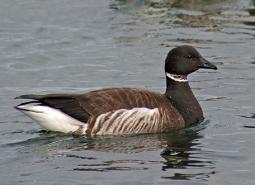
Brant
Branta bernicla
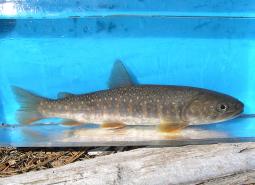
Bull Trout – Mid Columbia Recovery Unit
Salvelinus confluentus

California Floater Mussel
Anodonta californiensis
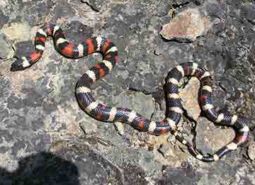
California Mountain Kingsnake
Lampropeltis zonata
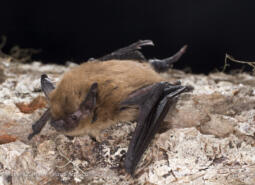
California Myotis
Myotis californicus
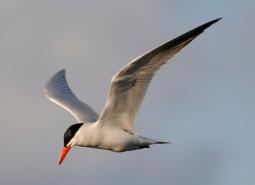
Caspian Tern
Hydroprogne caspia
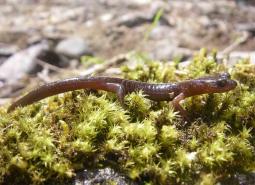
Clouded Salamander
Aneides ferreus
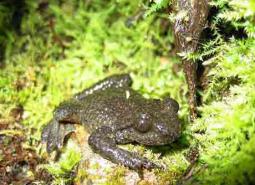
Coastal Tailed Frog
Ascaphus truei
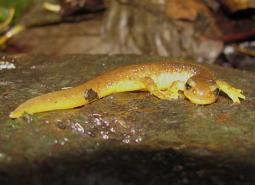
Columbia Torrent Salamander
Rhyacotriton kezeri
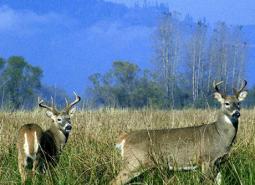
Columbian White-tailed Deer
Odocoileus virginianus leucurus
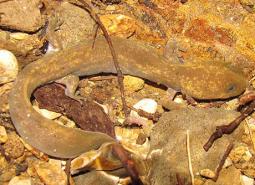
Cope’s Giant Salamander
Dicamptodon copei
Dalles Hesperian
Vespericola depressus
Dalles Mountainsnail
Oreohelix variabilis
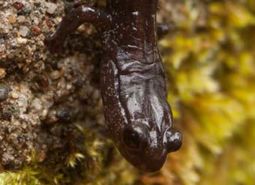
Del Norte Salamander
Plethodon elongatus
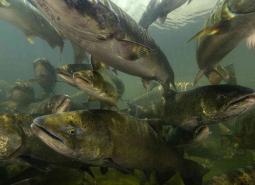
Fall Chinook Salmon – Mid Columbia SMU
Oncorhynchus tshawytscha
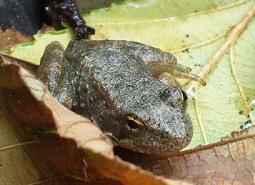
Foothill Yellow-legged Frog
Rana boylii
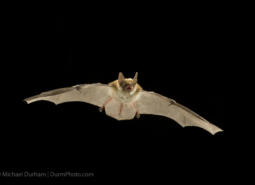
Fringed Myotis
Myotis thysanodes
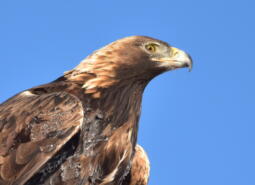
Golden Eagle
Aquila chrysaetos

Gray Wolf
Canis lupus
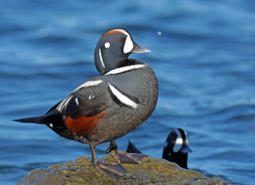
Harlequin Duck
Histrionicus histrionicus
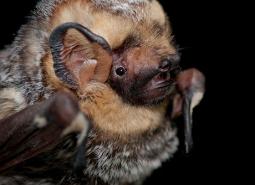
Hoary Bat
Lasiurus cinereus
Johnson’s Hairstreak (butterfly)
Callophrys johnsoni
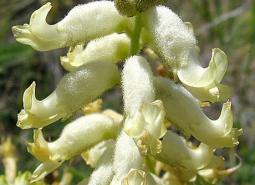
Lawrence’s milkvetch
Astragalus collinus var. laurentii
Little Brown Myotis
Myotis lucifugus
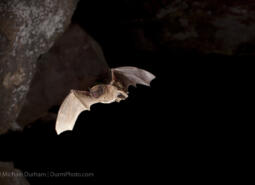
Long-legged Myotis
Myotis volans
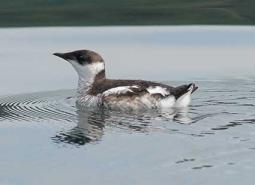
Marbled Murrelet
Brachyramphus marmoratus
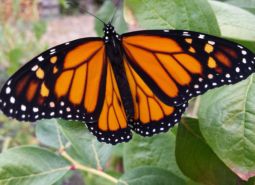
Monarch Butterfly
Danaus plexippus
Morrison Bumble Bee
Bombus morrisoni
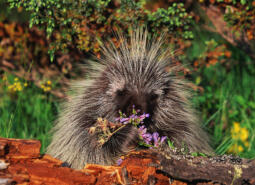
North American Porcupine
Erethizon dorsatum
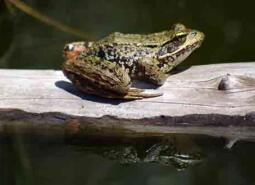
Northern Red-legged Frog
Rana aurora
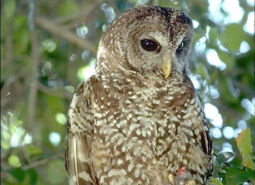
Northern Spotted Owl
Strix occidentalis caurina
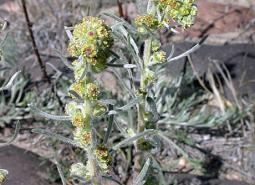
Northern wormwood
Artemisia campestris var. wormskioldii
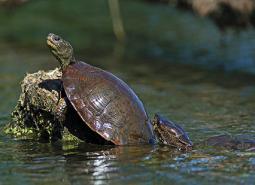
Northwestern Pond Turtle
Actinemys marmorata
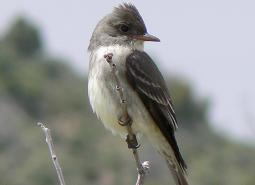
Olive-sided Flycatcher
Contopus cooperi
Oregon Floater Mussel
Anodonta oregonensis
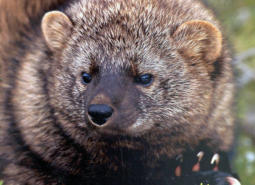
Pacific Fisher
Pekania pennanti

Pacific Lamprey
Entosphenus tridentatus
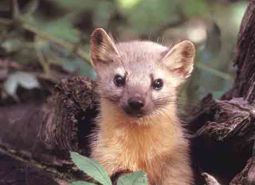
Pacific Marten
Martes caurina
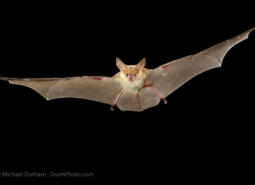
Pallid Bat
Antrozous pallidus
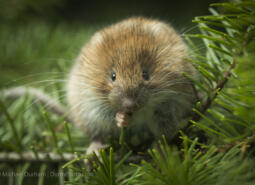
Red Tree Vole
Arborimus longicaudus

Ringtail
Bassariscus astutus
Shortface Lanx
Fisherola nuttalli
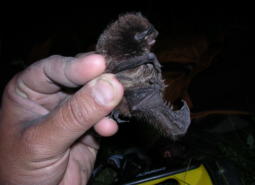
Silver-haired Bat
Lasionycteris noctivagans
Sockeye Salmon
Oncorhynchus nerka
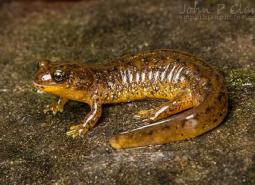
Southern Torrent Salamander
Rhyacotriton variegatus
Spring Chinook Salmon – Mid Columbia SMU
Oncorhynchus tshawytscha
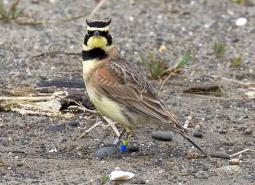
Streaked Horned Lark
Eremophila alpestris strigata
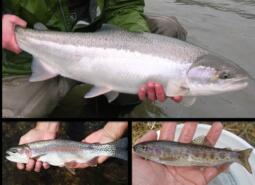
Summer Steelhead/Columbia Basin Redband Trout – Mid Columbia SMU
Oncorhynchus mykiss/Oncorhynchus mykiss gairdneri
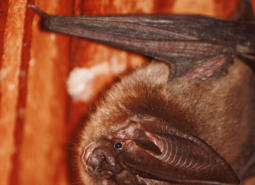
Townsend’s Big-eared Bat
Corynorhinus townsendii
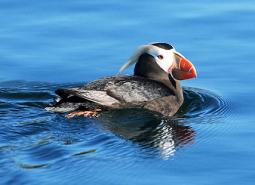
Tufted Puffin
Fratercula cirrhata
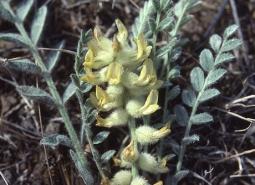
Tygh Valley milkvetch
Astragalus tyghensis
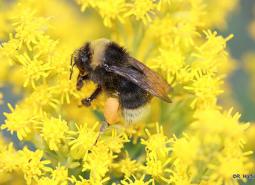
Western Bumble Bee
Bombus occidentalis
Western Floater Mussel
Anodonta kennerlyi
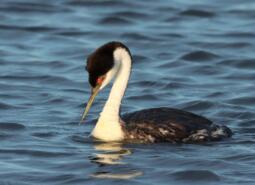
Western Grebe
Aechmophorus occidentalis
Western Long-eared Myotis
Myotis evotis
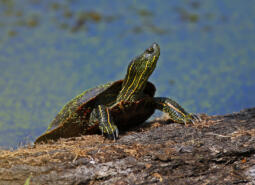
Western Painted Turtle
Chrysemys picta belli
Western Pearlshell Mussel
Margaritifera falcata
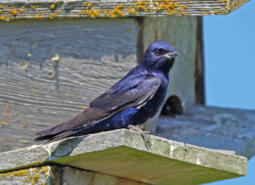
Western Purple Martin
Progne subis arboricola
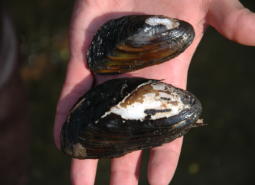
Western Ridged Mussel
Gonidea angulata

Western River Lamprey
Occidentis ayresii
Western Small-footed Myotis
Myotis ciliolabrum
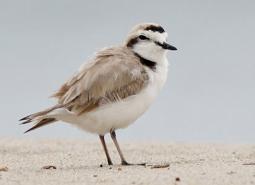
Western Snowy Plover
Anarhynchus nivosus nivosus
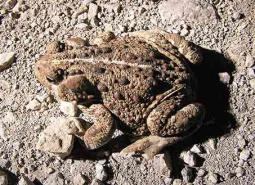
Western Toad
Anaxyrus boreas
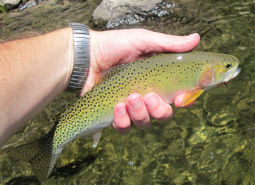
Westslope Cutthroat Trout
Oncorhynchus clarki lewisi

White Sturgeon – John Day Reservoir SMU
Acipenser transmontanus
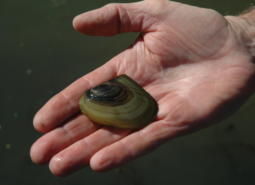
Winged Floater Mussel
Anodonta nuttalliana
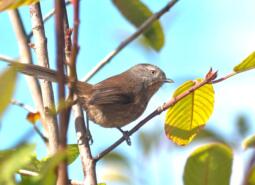
Wrentit
Chamaea fasciata
Yuma Myotis
Myotis yumanensis
Yuma Skipper (butterfly)
Ochlodes yuma
Conservation Opportunity Areas
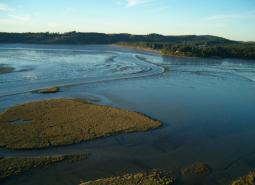
Alsea Estuary-Alsea River [COA ID: 029]
The Alsea Estuary-Alsea River COA (55 mi2) extends from the Alsea Estuary upstream along the Alsea River toward Trenholm Saddle. It includes the associated riparian upland habitat surrounding the river. This COA is adjacent to the Beaver Creek and Yachats River Area COAs. Recommended Conservation Actions Limit the placement of docks and boathouses in the …
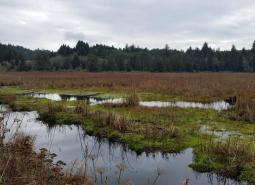
Beaver Creek [COA ID: 027]
The Beaver Creek COA (32 mi2) extends from Brian Booth State Park east into the Siuslaw National Forest, just north of Drift Creek Wilderness. The Beaver Creek Watershed contains a variety of diverse and productive habitats. This COA is adjacent to the Yaquina Bay and Alsea Estuary-Alsea River COAs. Recommended Conservation Actions Create upland open …
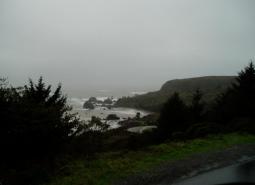
Cape Ferrelo [COA ID: 051]
This area includes unique rocky intertidal habitat, important shorebird habitat, and coastal bluffs.
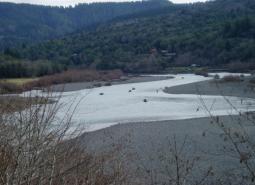
Chetco River-Winhchuck River Estuaries [COA ID: 052]
This diverse area includes habitats ranging from coastal dunes and estuaries to mature upland conifer forests.
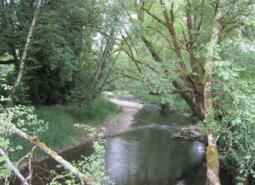
Clatskanie River [COA ID: 008]
The Clatskanie River COA (46 mi2) covers a large portion of the Clatskanie River Watershed, from its origins in the Coast Range down to the city of Clatskanie. It contains important riparian and upland habitat for many strategy species. This COA creates a contiguous chunk of habitat along with the Columbia River – Blind Slough …
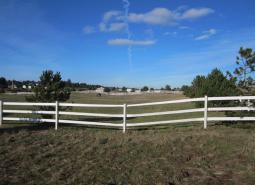
Clatsop Plains [COA ID: 001]
The Clatsop Plains COA (34 mi2) extends along the Oregon coast from the Columbia River to Gearhart. It contains Gearhart Fen, the largest contiguous wetland of its kind remaining on the Oregon coast. The Clatsop Plains beaches provide habitat for shorebirds during migration (e.g. Sanderlings) and potential areas for nesting Western Snowy Plovers. This COA …
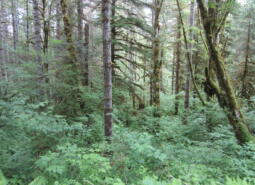
Clatsop State Forest-Jewel Meadows Area [COA ID: 007]
The Clatsop State Forest – Jewel Meadows Area COA (49 mi2) extends to the north of the town of Jewell. The watershed provides critical habitat for many Coast Range plant and animal communities. This area is primarily composed of managed forest including components of mature stands, remnant large trees and open upland grassland meadows. This …
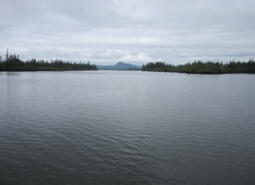
Columbia River-Blind Slough Swamp [COA ID: 006]
The Columbia River – Blind Slough Swamp COA (144 mi2) is an large area on the lower Columbia River Estuary which extends from just east of Tongue Point upstream to Crims Island. The area includes many islands on the Oregon side of the Columbia River, as well as the Lewis and Clark National Wildlife Refuge …
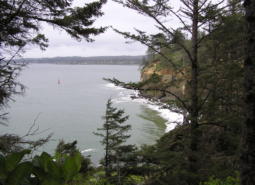
Coos Bay [COA ID: 043]
The Coos Bay COA (117 mi2) encompasses Coos Bay, the Coos Bay estuary, and surrounding habitats. It includes the towns of Coos Bay and North Bend, as well as surrounding lowlands and low gradient streams that mostly flow through agricultural pasturelands. This COA is adjacent to the Tenmile Lake and Lower Coquille River COAs. Recommended …

Coos Mountain-Middle Creek [COA ID: 044]
The Coos Mountain-Middle Creek COA (87 mi2) follows Middle Creek northward and includes surrounding riparian and upland habitat. Middle Creek is a major tributary of the North Fork Coquille River. This COA is a checkerboard mix of private timber lands and BLM lands. This COA is adjacent to the Lower Coquille River COA. Recommended Conservation …
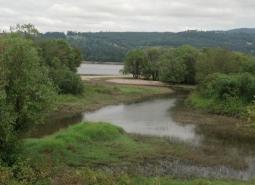
Deer Island [COA ID: 053]
The Deer Island COA (11 mi2) covers the entirety of Deer Island, which is located from river mile 78-81 along the Lower Columbia River. The island contains important riparian and shoreline habitat for many strategy species. Land ownership is a mix of small private parcels and preserved land owned by the Columbia Land Trust. Deer …
Depoe Bay Area [COA ID: 023]
The Depoe Bay Area COA (4 mi2) is a small area located in the foothills east of Depoe Bay consisting primarily of small private timber properties. This COA is adjacent to the Siletz River COA. Recommended Conservation Actions Maintain and restore existing habitat and ecological function, ensuring sufficient habitat complexity for wildlife. Local Conservation Actions …
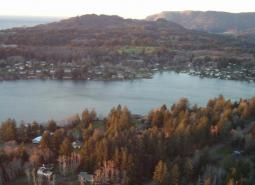
Devil’s Lake [COA ID: 020]
The Devil’s Lake COA (5 mi2) extends from Lincoln City north to the end of Devil’s Lake. It consists primarily of Devil’s Lake and the input from Rock Creek. This COA is adjacent to the Salmon River Estuary-Cascade Head COA. Recommended Conservation Actions Install boat wash stations at Devil’s Lake to help control invasive invertebrates. …
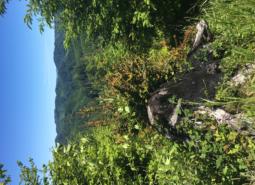
Elliott State Forest [COA ID: 041]
The Elliott State Forest COA (71 mi2) is located inland from the town of Lakeside, bounded by the Umpqua River to the north. This COA includes nearly the entire West Fork Millicoma River drainage, plus streams flowing into the Tenmile Lakes, Umpqua River, and Mill Creek. This COA is adjacent to the Tenmile Lake and …
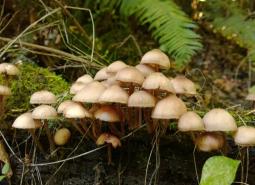
Forest Park [COA ID: 058]
The Forest Park COA (80.5 mi2) is located in the Tualatin Mountains and extends from the edge of downtown Portland northward to Dixie Mountain and Snooseville Corner in the Coast Range. This area contains one of the largest urban parks in the county (Forest Park), as well as some highly residential neighborhoods in Portland’s west …
Gales Creek [COA ID: 013]
The Gales Creek COA (58 mi2) extends from the edge of Forest Grove west into the Tillamook State Forest, toward Larch Mountain and the crest of the Cascade Range. The area is a late successional mixed deciduous and conifer forest with wetlands, flowing water and riparian habitats in the Gales Creek watershed. This COA is …
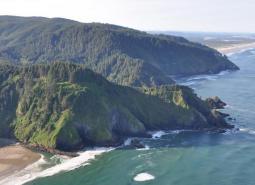
Heceta Head [COA ID: 031]
The Heceta Head COA (70 mi2) extends from Cummins Creek Wilderness down to Mercer Lake. It includes Heceta Head, which is a coastal headland with nearby Steller sea lion haul outs. This COA is adjacent to the Yachats River Area, North Fork Siuslaw River, and Sutton Lake Area COAs. Recommended Conservation Actions Preserve balds and …
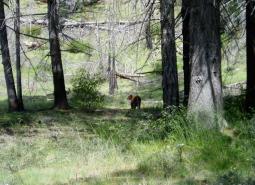
Kalmiopsis Area [COA ID: 100]
This areas borders the western edge of the Kalmiopsis Wilderness and has unique plant communities due to the serpentine soils endemic to the Klamath Mountains ecoregion.
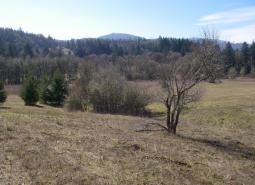
Kings Valley-Woods Creek Oak Woodlands [COA ID: 080]
The Kings Valley-Woods Creek Oak Woodlands COA (37 mi2) extends from Maxfield Creek Rd near the Polk-Benton county line down to Hyde Creek and Hwy 34. This COA is adjacent to the Luckiamute River and Tributaries, Corvallis Area Forests and Balds, and Mary’s Peak COAs. Recommended Conservation Actions Maintain and enhance grassland/prairie habitats, oak savanna, …
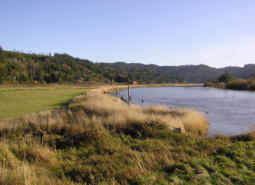
Lower Coquille River [COA ID: 045]
The Lower Coquille River COA (108 mi2) follows the Lower Coquille River from its mouth at the Oregon coast and extending east to Highway 42 and upriver past Myrtle Point to Sugarloaf Mountain. This COA is adjacent to the Coos Bay, Coos Mountain-Middle Creek, South Fork Coquille, and New River Area COAs. Recommended Conservation Actions …
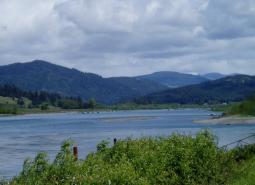
Lower Rogue River and Estuary [COA ID: 049]
This are contains the mouth of the Rogue River and is important habitat for Salmonids accessing the rest of the system. It has mature upland forests with a productive hardwood understory that supports a diverse assemblage of wildlife species.
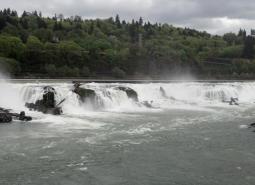
Lower Willamette River Floodplain [COA ID: 059]
The Lower Willamette River Floodplain COA (17 mi2) extends along the mainstem Willamette River from the confluence with the Columbia River upstream to Willamette Falls in Oregon City (river miles 0 to 26). This COA includes the river’s floodplain and adjacent uplands. This COA is adjacent to the Sauvie Island – Scappoose, Forest Park, Smith-Bybee …
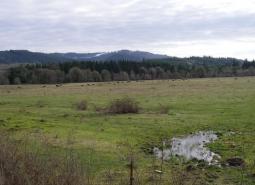
Luckiamute River and Tributaries [COA ID: 075]
The Luckiamute River and Tributaries COA (81 mi2) begins at the confluence of the Luckiamute and Willamette Rivers and extends up the drainages of the Luckiamute and Little Luckiamute Rivers. The area includes the surrounding upland habitats around the rivers, and many nearby agricultural areas surrounding Kings Valley and south of Falls City. This COA …
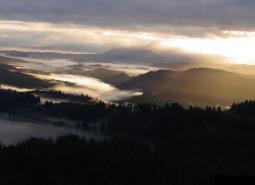
Mary’s Peak [COA ID: 028]
The Mary’s Peak COA (48 mi2) extends from the Siuslaw National Forest around Mary’s Peak westward into the Coast Range, out toward Lone Spring Mountain and Grass Mountain. This COA is adjacent to the Kings Valley – Woods Creek Oak Woodlands COA. Recommended Conservation Actions Maintain and enhance existing forest and woodland habitats, especially older …
McTimmons Valley – Airlie Savanna [COA ID: 076]
The McTimmons Valley – Airlie Savanna COA (11 mi2) is located west of Lewisville. Although small, this area contains important grassland and oak savanna habitat surrounding McTimmonds Creek and the McTimmonds Valley. This COA is adjacent to, and almost entirely bordered by, the Luckiamute River and Tributaries COA. Recommended Conservation Actions Maintain and restore existing …
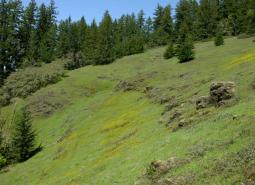
Mill Creek [COA ID: 024]
The Mill Creek COA (5 mi2) is located at the eastern edge of the Coast Range Ecoregion, northwest of the town of Dallas. This small area extends along Mill Creek and includes Dorn Peak and a checkerboard of private and public land ownership. This COA is adjacent to the Red Prairie – Mill Creek – …
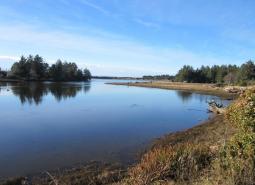
Necanicum Estuary [COA ID: 002]
The Necanicum Estuary COA (3 mi2) covers a small portion of the Oregon Coast near Seaside, much of which is designated as a conservation estuary within the Necanicum Estuary Natural History Park. This COA encompasses the area where the Necanicum River and Neawanna Creek meet the Pacific Ocean, and contains a network of freshwater and …
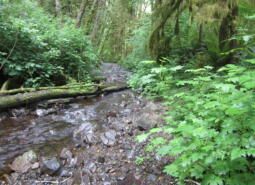
Necanicum River [COA ID: 004]
The Necanicum River COA (26 mi2) extends along the Necanicum river corridor from Seaside up into the Coast Range. This watershed provides critical habitat for many coastal plant and animal communities. Floodplains and associated wetland and riparian ecosystems provide important flood protection for downstream communities and act as corridors allowing wildlife to move along and …
Nehalem and Salmonberry River Headwaters [COA ID: 012]
The Nehalem and Salmonberry River Headwaters COA (94 mi2) extends from just outside the town of Timber up toward Buck Mountain and Pinochle Peak. The area is a late successional mixed conifer forest with flowing water and riparian habitats. This COA is adjacent to the North Fork Nehalem River, Gales Creek, and Tillamook Bay and …
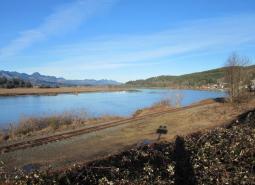
Nehalem River Estuary [COA ID: 009]
The Nehalem River Estuary COA (32 mi2) extends from Nehalem Bay upstream toward Aldervale to the north and Barnesdale to the south. There are many important habitat features within eh COA for sensitive fish and wildlife species within Nehalem River / Nehalem Bay and in the associated riparian and upland habitats. This COA is adjacent …
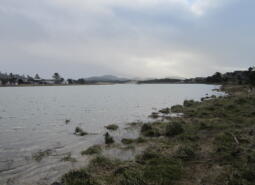
Nestucca Bay [COA ID: 016]
The Nestucca Bay COA (34 mi2) extends from Nestucca Bay up the Nestucca River to Farmer Creek. This area includes the river and associated riparian and upland habitats. Nestucca Bay is important for migratory and wintering shorebirds and waterfowl and marine mammals. This COA is adjacent to the Nestucca River Watershed and Salmon River Estuary-Cascade …
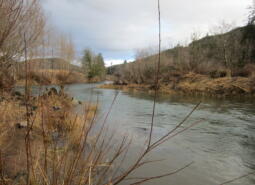
Nestucca River Watershed [COA ID: 017]
The Nestucca River Watershed COA (188 mi2) extends from the western edge of the Siuslaw National Forest outside Cloverdale across the Coast Range over to McGuire Reservoir. The area consists primarily of mixed and late successional conifer forest, riparian areas of Nestucca River, and freshwater wetlands. This COA is adjacent to the Nestucca Bay and …
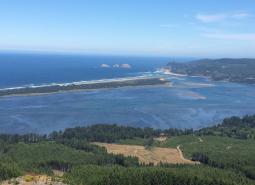
Netarts Bay [COA ID: 014]
The Netarts Bay COA (26 mi2) extends from Netarts Bay down to Cape Lookout State Park. This area includes the coastal beaches / spits and extends up into the western foothills of the Coast Range. This COA is adjacent to the Tillamook Bay and Tributaries and Sand Lake Area COAs. Recommended Conservation Actions Maintain and …
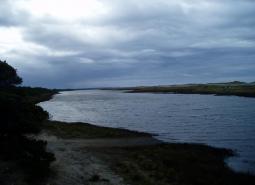
New River Area [COA ID: 047]
The New River Area COA (102 mi2) is located on the Oregon Coast, bounded by Cape Blanco to the south and Bandon to the north. This COA is adjacent to the Lower Coquille River and Sixes River-Elk River COAs. Recommended Conservation Actions Manage upland habitats and wetlands for diversity of early seral conditions to provide …
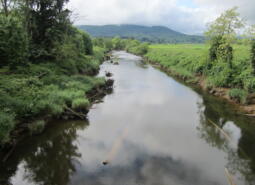
North Fork Nehalem River [COA ID: 010]
The North Fork Nehalem River COA (49 mi2) extends from Aldervale up through the lower Nehalem River Watershed toward the headwaters in the Coast Range. This COA is adjacent to the Nehalem River Estuary and Nehalem and Salmonberry River Headwaters COAs. Recommended Conservation Actions Restore ambient streamflow, fish passage, riparian vegetation, floodplain connectivity, and in-stream …
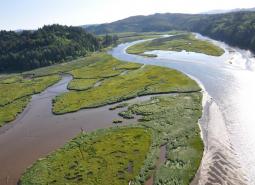
North Fork Siuslaw River [COA ID: 032]
The North Fork Siuslaw River COA (103 mi2) extends upstream along the river from just east of Munsel Lake up toward the river’s upper headwaters near Taylor Ridge in the Siuslaw National Forest. The North Fork Siuslaw River is a low elevation gradient river. This COA is adjacent to the Yachats River Area, Heceta Head, …
North Fork Smith River [COA ID: 037]
The North Fork Smith River COA (67 mi2) extends from the Lane-Douglas county line in the Siuslaw National Forest westward to Roman Nose Mountain. This COA includes a significant portion of the North Fork Smith River and surrounding upland and riparian habitat, including the southern extent of the Siuslaw National Forest. This COA is adjacent …
Pistol River Estuary [COA ID: 050]
This area contains the Pistol River Estuary, offshore rocky habitat for nesting seabirds, and Coastal Bluffs.
Red Prairie-Mill Creek-Willamina Oaks South [COA ID: 071]
The Red Prairie – Mill Creek – Willamina Oaks South COA (35 mi2) is located south of Highway 19 along Highway 22 in the foothills of the Coast Range. This area includes tributaries of the South Yamhill River and associated lowland habitats. This COA is adjacent to the Mill Creek and Baskett Butte COAs. Recommended …
Rickreall Creek and Little Luckiamute River Headwaters [COA ID: 025]
The Rickreall Creek and Little Luckiamute River Headwaters COA (17 mi2) extends from just west of the Aaron Mercer Reservoir southwest toward Fanno Peak and Fanno Ridge. The small area straddles the Coast Range and Willamette Ecoregions, just west of Fall City. Recommended Conservation Actions Maintain high quality grassland habitat. Maintain and enhance in-channel watershed …
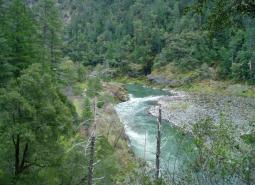
Rogue River [COA ID: 093]
This area contains habitat along the mainstem of the Rogue River including portions of the Wild and Scenic area.
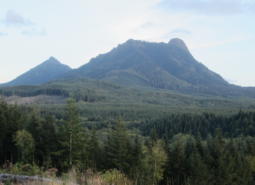
Saddle Mountain [COA ID: 005]
The Saddle Mountain COA (33 mi2) extends from the forest outside Gearhart eastward into the Coast Range. It primarily contains private timber land, skirting just to the north of the Saddle Mountain State Natural Area. This COA creates a contiguous chunk of habitat along with the Clatsop Plains, Necanicum Estuary, Necanicum River, and Tillamook Head …
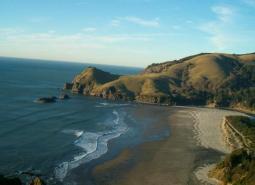
Salmon River Estuary-Cascade Head [COA ID: 019]
The Salmon River Estuary-Cascade Head COA (43 mi2) extends from just north of Neskowin south to Otis. This area provides a unique combination of habitat types, from the rocky shoreline inland and includes the Cascade Head Scenic Research Area. It also extends up into the mixed conifer forests of the Coast Range. This COA is …
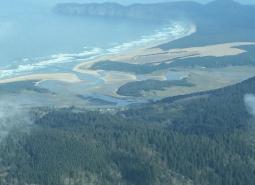
Sand Lake Area [COA ID: 015]
The Sand Lake Area COA (13 mi2) extends from just south of Cape Lookout State Park down to Sand Lake. This COA is adjacent to the Netarts Bay COAs. Recommended Conservation Actions Promote early detection and removal of invasive plants. Plan future development to maintain key ecological functions and habitats. Restore and maintain tidal marshes …
Sauvie Island-Scappoose [COA ID: 054]
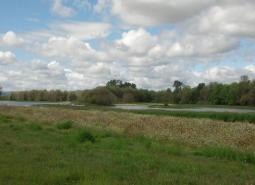
The Sauvie Island – Scappoose COA (54 mi2) extends along the westside of the Columbia River from Saint Helens to the southern tip of Sauvie Island. This COA contains a mosaic of tidally influenced sloughs, wetland and ponds, along with cottonwood galleries and bottomland hardwood forests. The area includes Sauvie Island, Multnomah Channel, Scappoose Bay and the …
Scoggins Valley-Mount Richmond [COA ID: 063]
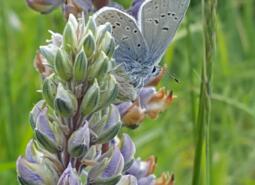
The Scoggins Valley – Mount Richmond COA (41 mi2) is located in the foothills of the Coast Range, extending from Henry Hagg Lake south to Moore’s Valley. The area includes the Upper Tualatin-Scoggins Watershed, portions of the North Yamhill River and headwater tributaries, Mount Richmond, and the Oak Ridge / Moore’s Valley area. This COA …
Siletz Bay [COA ID: 021]
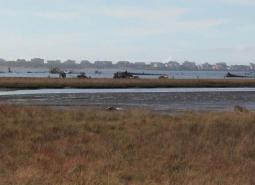
The Siletz Bay COA (10 mi2) covers the Siletz River esturay and the lower reaches of the Siletz River. The Siletz Estuary is a diverse and complex habitat system, occupied by numerous fish and wildlife species. This COA is adjacent to the Siletz River COA. Recommended Conservation Actions Limit the placement of docks and boathouses …
Siletz River [COA ID: 022]
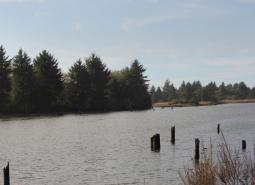
The Siletz River COA (26 mi2) extends past the Siletz Estuary up river to Strome County Park. It also includes a large chunk of mixed conifer National Forest habitat to the east of the estuary, extending up to Diamond Peak and Pea Ridge. This Siletz River is a sandstone/basalt river system with variable flashy winter …
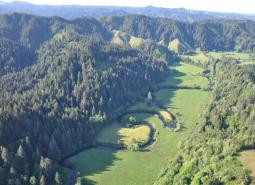
Siuslaw River [COA ID: 035]
The Siuslaw River COA (82 mi2) extends from Mapleton upriver toward the crest of the Coast Range, and includes the associated riparian habitat, uplands and forested habitat surrounding the Siuslaw River. This COA is adjacent to the North Fork Siuslaw River, Siuslaw River Estuary, and North Fork Smith River COAs. Recommended Conservation Actions Enhance stream …
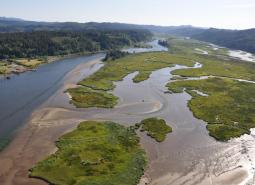
Siuslaw River Estuary [COA ID: 034]
The Siuslaw River Estuary COA (46 mi2) extends from the estuary in Florence up past Tierman. The estuary forms a small bay for the size of the Siuslaw River with many islands and salt/freshwater marshes. This COA is adjacent to the Sutton Lake Area, North Fork Siuslaw River, Siuslaw River, and Tahkenitch-Siltcoos Lakes COAs. Recommended …
Sixes River-Elk River [COA ID: 048]
This area contains much of the Coast Range’s Oak Woodlands and is potential habitat for Western Snowy Plover. It is a key corridor for migrating birds and has high plant and animal diversity.
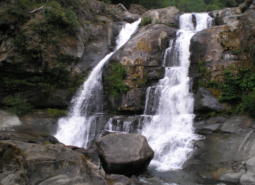
South Fork Coquille [COA ID: 046]
The South Fork Coquille COA (134 mi2) extends from just south of Myrtle Point along the South Fork Coquille River up to the edge of the Wild Rogue Wilderness within the Siskiyou National Forest. This COA is adjacent to the Lower Coquille River COAs. Recommended Conservation Actions Identify and control invasive species. Maintain and restore …
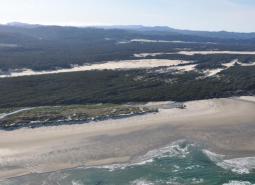
Sutton Lake Area [COA ID: 033]
The Sutton Lake Area COA (19 mi2) extends from Sutton Lake south to Munsel Lake, covering a section of the Oregon Coast and inland habitat. It contains multiple sea-level coastal lakes with limited tidal influence, which are large enough to have cold water and waves.This COA is adjacent to the Heceta Head, North Fork Siuslaw …
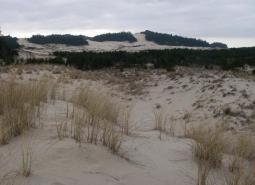
Tahkenitch-Siltcoos Lakes [COA ID: 036]
The Tahkenitch-Siltcoos Lakes COA (118 mi2) extends from Honeyman State Park east toward Mount Peter and down the coastline to Threemile Lake. Two large coastal lakes with floating peat islands and a large numbers of wintering waterfowl exist in this COA. This COA is adjacent to the Siuslaw River Estuary, North Fork Smith River, and Umpqua …
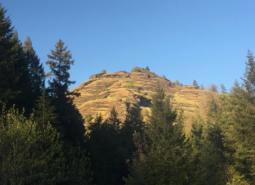
Tenmile Area [COA ID: 092]
Located west of hilly area near the town of Winston, following Highway 42
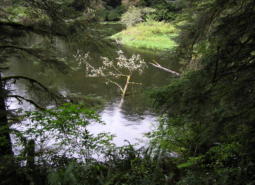
Tenmile Lake [COA ID: 040]
The Tenmile Lake COA (78 mi2) is located on the Oregon Coast near the town of Lakeside. The Tenmile Lakes Watershed includes ten lakes – North Tenmile Lake, South Tenmile Lake, and Eel Lake are the largest among them. This area has a forested upper watershed, some of which is in the Elliott State Forest. …
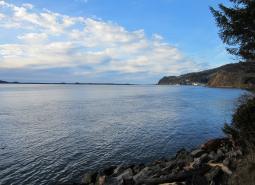
Tillamook Bay and Tributaries [COA ID: 011]
The Tillamook Bay and Tributaries COA (271 mi2) extends from Tillamook Bay eastward into the Coast Range, across the crest and nearly all the way to the eastern foothills, past Stagecoach Horse Camp. This is a very large COA, containing Tillamook Bay, along with large swaths of mixed conifer forest habitats. This COA is adjacent …
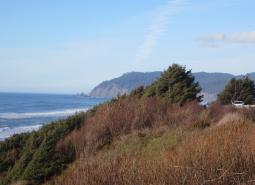
Tillamook Head [COA ID: 003]
The Tillamook Head COA (16 mi2) extends along the Oregon coast from Tillamook Head to Arcadia Beach. This area includes Ecola State Park and contains 9 miles of coastline between Seaside and Cannon Beach. Habitat is generally coastal Sitka spruce forest, opening up to a grassy bluff along the coastline. Sea stacks punctuate long sweep …
Trask Mountain [COA ID: 018]
The Trask Mountain COA (38 mi2) extends from Barney Reservoir south toward McGuire Reservoir on the eastern side of the Coast Range. This area includes mixed and late successional conifer forest and riparian areas. This COA is adjacent to the Nestucca River Watershed COA. Recommended Conservation Actions Maintain and restore existing habitat and ecological function, …
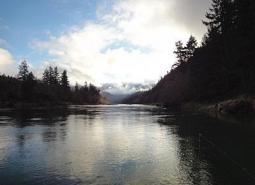
Umpqua River [COA ID: 042]
The Umpqua River COA (93 mi2) follows the winding Umpqua River from Elkton south to the confluence with the North Umpqua River. This area includes the surrounding riparian and upland habitat along the river corridor. This COA is adjacent to the North Umpqua River Area and South Fork Umpqua River and Tributaries COAs. Recommended Conservation …
Umpqua River Estuary [COA ID: 038]
The Umpqua River Estuary COA (71 mi2) extends from the coastline near Reedsport eastward into the Coast Range, bounded by Hwy 38 to the south and Devil’s Staircase Wilderness to the east. This COA is adjacent to the Tahkenitch-Siltcoos Lakes, Wassen Creek, Elliot State Forest, and Tenmile Lake COAs. Recommended Conservation Actions Maintain and restore …
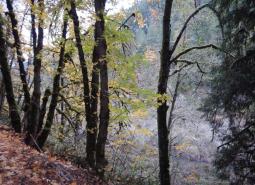
Upper Siuslaw [COA ID: 089]
The Upper Siuslaw COA (120 mi2) follows the winding Siuslaw River from Territorial Hgihway up into the Coast Range and includes the surrounding riparian and upland habitat. This COA is adjacent to the West Eugene Area COA. Recommended Conservation Actions Maintain and enhance in-channel watershed functions, connection to riparian habitat, water flow and hydrology. Maintain …
Wassen Creek [COA ID: 039]
The Wassen Creek COA (61 mi2) extends from near Henderson Peak east and south to the Umpqua River, including portions of the Smith River and Wassen Creek and their surrounding upland and riparian habitats. This COA is adjacent to the North Fork Smith River and Umpqua River Estuary COAs. Recommended Conservation Actions Maintain high quality …
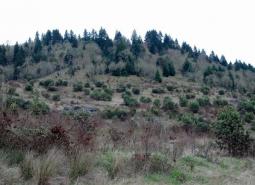
West Eugene Area [COA ID: 086]
The West Eugene Area COA (264 mi2) extends from Camas Swale north along the foothills of the Coast Range to Cox Butte, including the West Eugene wetlands. This COA is adjacent to the Upper Willamette River Floodplain and Upper Siuslaw COAs. Recommended Conservation Actions Continue active management of restored habitats to conserve ecological values. Maintain and restore …
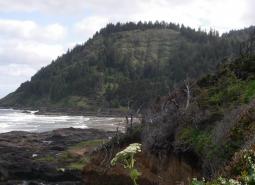
Yachats River Area [COA ID: 030]
The Yachats River Area COA (114 mi2) extends from the coastline around Yachats eastwards up into the National Forest toward Denzer Ridge. This COA contains a wide diversity of habitats, from the rocky coastline up into the steep coastal mountains. This COA is adjacent to the Alsea Estuary-Alsea River, Heceta Head, and North Fork Siuslaw …
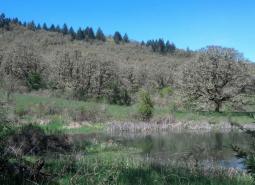
Yamhill Oaks-Willamina Oaks North [COA ID: 067]
The Yamhill Oaks – Willamina Oaks North COA (78 mi2) is located west of McMinnville in the foothills of the Coast Range and within the South Yamhill River Watershed. This area contains a variety of wildlife habitat, including grassland, oak savanna, mixed deciduous and conifer, and riparian habitat. Recommended Conservation Actions Manage public access and …
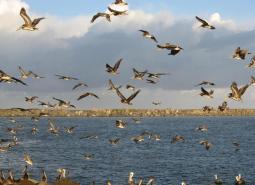
Yaquina Bay [COA ID: 026]
The Yaquina Bay COA (41 mi2) covers the Yaquina Bay Estuary and the surrounding lowland habitats. The Yaquina estuary is a large estuary with numerous fish, wildlife, habitat, and human resources. This COA is adjacent to the Beaver Creek COA. Recommended Conservation Actions Limit the placement of docks and boathouses within the estuary. Protect and …